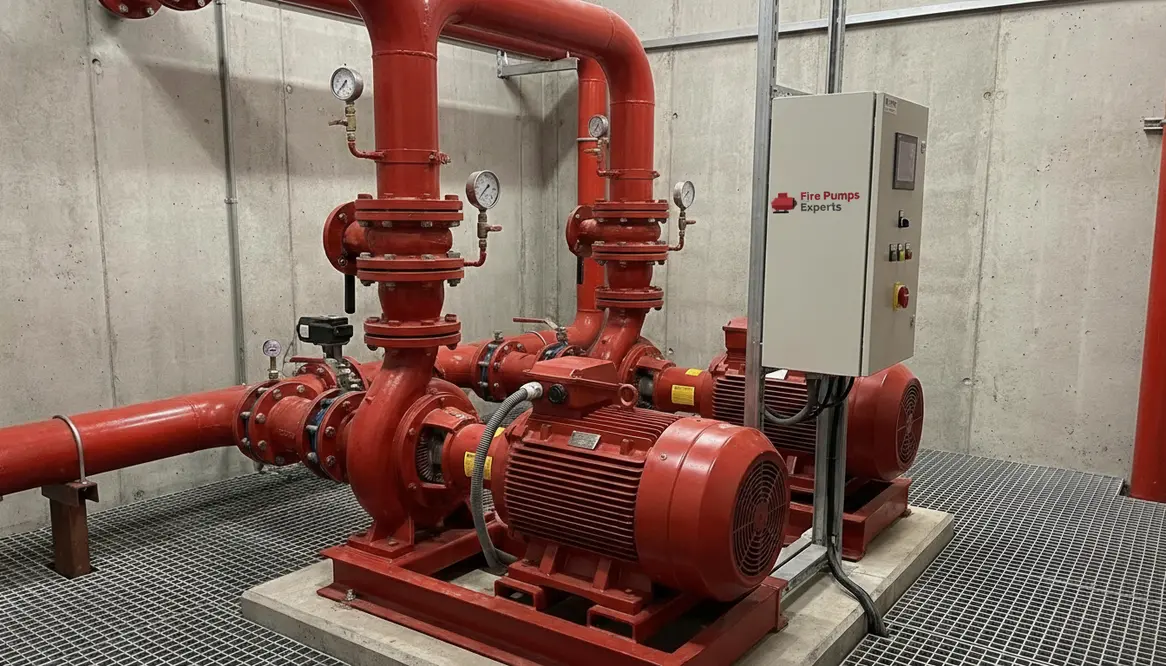
Fire Hydrant Booster Systems Explained
When I talk about fire safety for large commercial and industrial properties, I always start with the fire hydrant booster. Why? Because when a fire breaks out, water pressure is not the time to play hard to get. A booster system helps push water where it needs to go, fast and with purpose. For big facilities, tall buildings, warehouses, and major sites, that extra pressure can make the difference between control and chaos. In this article, I will walk you through how these systems work, why they matter, and what you should know before you put one in place.
What a fire hydrant booster system does
A fire hydrant booster system supports the flow of water from the hydrant network to the fire service connection or internal fire protection system. In simple terms, it gives the water a helpful shove. That matters most in large properties where distance, height, or pipe layout can weaken pressure. I see it as the quiet backup singer in a rock band. It does not always get the spotlight, yet without it, the whole show can fall flat.
These systems help fire crews and building protection systems get stronger water delivery during an emergency. As a result, they improve response time and support fire suppression where standard hydrant pressure may not be enough.
How a fire hydrant booster system works
A typical setup includes a pump, control panel, valves, pressure gauges, and a connection to the hydrant or water supply line. First, the system checks the water pressure. Then, if pressure drops below the set level, the pump activates and increases flow. After that, the water moves through the lines at a more useful pressure.
Here is the simple version:
Water supply
First, water enters from the main source or hydrant line.
Pressure sensing
Then, sensors or switches detect when pressure is too low.
Pump activation
Next, the booster pump starts and lifts pressure.
Controlled delivery
Finally, water reaches the fire system with the force needed for use.
This process sounds basic, but the engineering behind it matters a lot. If the system is too weak, it may not perform. If it is too strong, it can stress pipes and equipment. So yes, even fire systems need a little emotional balance.
When commercial properties need a booster system
I usually look at booster systems for sites where the water supply alone may not meet fire safety demand. That includes high rise buildings, large warehouses, manufacturing plants, shopping centers, logistics hubs, and major property developments. Since these sites often cover broad areas or stand at great height, water pressure can fall short.
In many cases, local fire code requirements and hydraulic calculations decide whether a booster is needed. Therefore, property owners should not guess. They should test, measure, and plan. A good design team will study the building’s size, demand load, and water source before recommending a system.
Key parts I check in a booster setup
When I review a system, I focus on the parts that keep it reliable. Each one has a job, and each one matters when the alarm goes off.
Core hardware
Pressure pump: This drives water at the needed level.
Control panel: This manages pump start and stop functions.
Valves: These guide water flow and help with isolation during service.
Control and feedback
Gauges: These show pressure so I can spot problems early.
Jockey pump: This keeps pressure steady and reduces wear on the main pump.
In addition, I look at access, electrical supply, and maintenance space. A system can look fine on paper and still fail in the real world if no one can reach it or service it. That is not a plot twist anyone wants.
Why regular testing keeps the system ready
A booster system should never sit there like a superhero waiting for the sequel. It needs testing, inspection, and routine care. Over time, pumps wear out, seals age, and controls drift out of range. Therefore, regular checks help catch problems before an emergency does.
Testing should confirm that the pump starts properly, pressure levels stay within range, and all valves and gauges work as expected. Also, records matter. Clear logs help building managers show compliance and spot patterns that point to future faults.
How I choose the right system for a major site
For commercial and industrial facilities, I always start with the building’s real fire demand. Then, I review water supply, pipe layout, height, and risk level. After that, I compare those numbers with local code and system standards. That process keeps the design practical and legal.
A couple of useful references
For more background on fire pump systems and related solutions, I also like to reference Kord Fire protection systems for broader industry context. And for property teams looking into pump support in the United States, especially for local search intent, this los angeles fire pump resource is useful.
FAQ
Final thoughts and next step
If you manage a large commercial or industrial property, I urge you to treat fire water pressure as a serious part of your safety plan. A well designed fire hydrant booster system supports faster response, better control, and stronger protection when every second counts. So, do not wait for a weak hydrant line to become a costly lesson. Review your site, check your pressure, and speak with a fire protection expert today.
That extra push from a fire hydrant booster is not “nice to have.” It is the difference between water that arrives with force and water that arrives… confused.