How alarms protect commercial and industrial spaces
Commercial fire alarm systems do more than warn people. They help control risk across major facilities. In a high traffic building, the system gives staff time to guide visitors out safely. In an industrial site, it can support a faster response near equipment, storage areas, or process zones where fire can spread without much warning.
Also, many systems connect to monitoring centers. That link helps emergency responders get alerted even when no one is nearby to make the call. And in a large property, that extra layer can make a real difference. After all, fire does not wait for the right meeting invite.
Why testing and maintenance keep the system ready
A fire alarm system only helps if it works when needed. So, I always stress testing, inspection, and routine upkeep. Dust can build up. Batteries can weaken. Wiring can wear out. Even the best system needs care, because electronics, like people, have their off days.
Regular service checks help confirm that detectors respond, panels communicate, and alarms sound as they should. They also help property managers catch small issues before they become expensive ones. Moreover, maintenance supports compliance and helps keep large facilities ready for real emergencies.
Conclusion
If you manage a commercial or industrial property, take fire protection seriously before it becomes urgent. A well planned system can save time, protect people, and reduce damage when every second counts. If you want a setup built for major facilities and real world demands, explore your options with a team that knows the work. Start with the right guidance, ask smart questions, and make your building ready today.
What a fire alarm system actually does
At its core, the system watches the building, spots warning signs, and sends alerts to the right people. First, detectors sense smoke, heat, or flame changes. Then, the control panel reads that signal and decides what happens next. After that, sirens, strobes, and alerts kick in so people can move fast and staff can respond.
That simple chain hides a lot of smart work. The panel does not just scream “fire” like a panicked extra in a monster movie. Instead, it checks the signal, confirms the issue, and sends the correct response across the property. That matters in commercial spaces, where one false alarm can slow business, confuse staff, and turn a normal morning into chaos with fluorescent lighting.
How the main parts work together
Here is the short version: sensors detect danger, the panel processes the alarm, and notification devices warn everyone. However, each part has a clear job, and the system works best when all of them stay in sync.
How the main parts work together
Device
Smoke detector
Heat detector
Control panel
Horn and strobe units
Manual pull station
Job
Finds smoke in the air
Responds to rising temperature
Processes the signal
Alert people with sound and light
Lets a person trigger the alarm
Why it matters
Helps catch a fire early
Works well in dusty or busy spaces
Makes the system decide the next step
Helps in loud areas and large buildings
Gives staff a direct action when needed
Because commercial properties often include large rooms, long hallways, and heavy equipment, the system needs the right mix of devices. For example, a warehouse may need heat detectors in dusty zones, while an office may rely more on smoke detectors. So, I never look at these systems as one size fits all. That approach works about as well as wearing flip flops to a construction site.
Why the control panel matters most
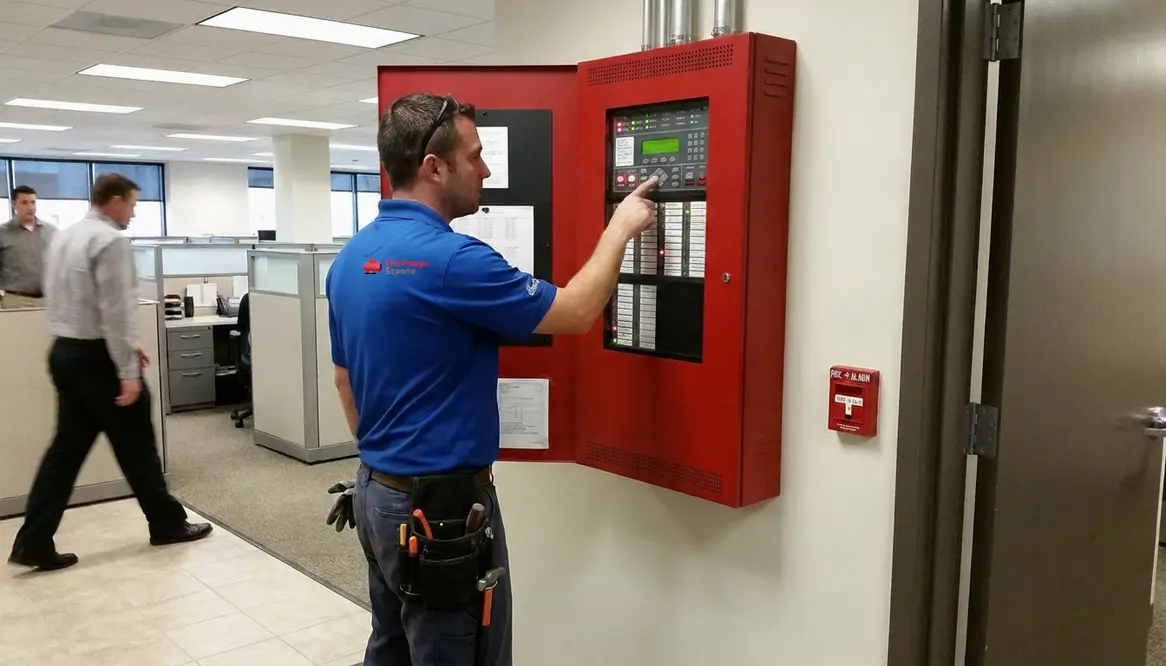
The control panel acts like the brain of the whole setup. It receives data from the detectors, checks for trouble, and starts the alarm sequence when needed. It can also connect with sprinkler systems, access controls, elevator recall functions, and monitoring services. As a result, the panel helps the building react in a clean, organized way.
When I look at commercial fire safety solutions from Kord Fire, I think about how the right setup can support both life safety and property protection. That kind of planning matters most in commercial and industrial buildings, where downtime can hit hard and fast. In other words, the panel does more than make noise. It helps the whole building behave like it has its act together.
How alarms protect commercial and industrial spaces
Commercial fire alarm systems do more than warn people. They help control risk across major facilities. In a high traffic building, the system gives staff time to guide visitors out safely. In an industrial site, it can support a faster response near equipment, storage areas, or process zones where fire can spread without much warning.
Also, many systems connect to monitoring centers. That link helps emergency responders get alerted even when no one is nearby to make the call. And in a large property, that extra layer can make a real difference. After all, fire does not wait for the right meeting invite.
Why testing and maintenance keep the system ready
A fire alarm system only helps if it works when needed. So, I always stress testing, inspection, and routine upkeep. Dust can build up. Batteries can weaken. Wiring can wear out. Even the best system needs care, because electronics, like people, have their off days.
Regular service checks help confirm that detectors respond, panels communicate, and alarms sound as they should. They also help property managers catch small issues before they become expensive ones. Moreover, maintenance supports compliance and helps keep large facilities ready for real emergencies.
FAQ
Conclusion
If you manage a commercial or industrial property, take fire protection seriously before it becomes urgent. A well planned system can save time, protect people, and reduce damage when every second counts. If you want a setup built for major facilities and real world demands, explore your options with a team that knows the work. Start with the right guidance, ask smart questions, and make your building ready today.
How Commercial Fire Alarm Systems Work
I treat fire protection like the quiet guardian in the building. It does its job before anyone notices trouble, and that matters. Commercial fire alarm systems give a building the chance to react fast, guide people out safely, and help property teams keep control when seconds start acting like they have somewhere better to be. In a busy office, warehouse, school, or large industrial site, I see these systems as the difference between a quick response and a very expensive disaster.
Today, I will walk through how the system thinks, what parts make it work, and why the details matter more than most people realize. And yes, I will keep it practical, because fire safety already brings enough drama without turning into a full season of a reality show.
What a fire alarm system actually does
At its core, the system watches the building, spots warning signs, and sends alerts to the right people. First, detectors sense smoke, heat, or flame changes. Then, the control panel reads that signal and decides what happens next. After that, sirens, strobes, and alerts kick in so people can move fast and staff can respond.
That simple chain hides a lot of smart work. The panel does not just scream “fire” like a panicked extra in a monster movie. Instead, it checks the signal, confirms the issue, and sends the correct response across the property. That matters in commercial spaces, where one false alarm can slow business, confuse staff, and turn a normal morning into chaos with fluorescent lighting.
How the main parts work together
Here is the short version: sensors detect danger, the panel processes the alarm, and notification devices warn everyone. However, each part has a clear job, and the system works best when all of them stay in sync.
How the main parts work together
Device
Smoke detector
Heat detector
Control panel
Horn and strobe units
Manual pull station
Job
Finds smoke in the air
Responds to rising temperature
Processes the signal
Alert people with sound and light
Lets a person trigger the alarm
Why it matters
Helps catch a fire early
Works well in dusty or busy spaces
Makes the system decide the next step
Helps in loud areas and large buildings
Gives staff a direct action when needed
Because commercial properties often include large rooms, long hallways, and heavy equipment, the system needs the right mix of devices. For example, a warehouse may need heat detectors in dusty zones, while an office may rely more on smoke detectors. So, I never look at these systems as one size fits all. That approach works about as well as wearing flip flops to a construction site.
Why the control panel matters most
The control panel acts like the brain of the whole setup. It receives data from the detectors, checks for trouble, and starts the alarm sequence when needed. It can also connect with sprinkler systems, access controls, elevator recall functions, and monitoring services. As a result, the panel helps the building react in a clean, organized way.
When I look at commercial fire safety solutions from Kord Fire, I think about how the right setup can support both life safety and property protection. That kind of planning matters most in commercial and industrial buildings, where downtime can hit hard and fast. In other words, the panel does more than make noise. It helps the whole building behave like it has its act together.
How alarms protect commercial and industrial spaces
Commercial fire alarm systems do more than warn people. They help control risk across major facilities. In a high traffic building, the system gives staff time to guide visitors out safely. In an industrial site, it can support a faster response near equipment, storage areas, or process zones where fire can spread without much warning.
Also, many systems connect to monitoring centers. That link helps emergency responders get alerted even when no one is nearby to make the call. And in a large property, that extra layer can make a real difference. After all, fire does not wait for the right meeting invite.
Why testing and maintenance keep the system ready
A fire alarm system only helps if it works when needed. So, I always stress testing, inspection, and routine upkeep. Dust can build up. Batteries can weaken. Wiring can wear out. Even the best system needs care, because electronics, like people, have their off days.
Regular service checks help confirm that detectors respond, panels communicate, and alarms sound as they should. They also help property managers catch small issues before they become expensive ones. Moreover, maintenance supports compliance and helps keep large facilities ready for real emergencies.
FAQ
Conclusion
If you manage a commercial or industrial property, take fire protection seriously before it becomes urgent. A well planned system can save time, protect people, and reduce damage when every second counts. If you want a setup built for major facilities and real world demands, explore your options with a team that knows the work. Start with the right guidance, ask smart questions, and make your building ready today.
How Commercial Fire Alarm Systems Work
I treat fire protection like the quiet guardian in the building. It does its job before anyone notices trouble, and that matters. Commercial fire alarm systems give a building the chance to react fast, guide people out safely, and help property teams keep control when seconds start acting like they have somewhere better to be. In a busy office, warehouse, school, or large industrial site, I see these systems as the difference between a quick response and a very expensive disaster.
Today, I will walk through how the system thinks, what parts make it work, and why the details matter more than most people realize. And yes, I will keep it practical, because fire safety already brings enough drama without turning into a full season of a reality show.
What a fire alarm system actually does
At its core, the system watches the building, spots warning signs, and sends alerts to the right people. First, detectors sense smoke, heat, or flame changes. Then, the control panel reads that signal and decides what happens next. After that, sirens, strobes, and alerts kick in so people can move fast and staff can respond.
That simple chain hides a lot of smart work. The panel does not just scream “fire” like a panicked extra in a monster movie. Instead, it checks the signal, confirms the issue, and sends the correct response across the property. That matters in commercial spaces, where one false alarm can slow business, confuse staff, and turn a normal morning into chaos with fluorescent lighting.
How the main parts work together
Here is the short version: sensors detect danger, the panel processes the alarm, and notification devices warn everyone. However, each part has a clear job, and the system works best when all of them stay in sync.
How the main parts work together
Device
Smoke detector
Heat detector
Control panel
Horn and strobe units
Manual pull station
Job
Finds smoke in the air
Responds to rising temperature
Processes the signal
Alert people with sound and light
Lets a person trigger the alarm
Why it matters
Helps catch a fire early
Works well in dusty or busy spaces
Makes the system decide the next step
Helps in loud areas and large buildings
Gives staff a direct action when needed
Because commercial properties often include large rooms, long hallways, and heavy equipment, the system needs the right mix of devices. For example, a warehouse may need heat detectors in dusty zones, while an office may rely more on smoke detectors. So, I never look at these systems as one size fits all. That approach works about as well as wearing flip flops to a construction site.
Why the control panel matters most
The control panel acts like the brain of the whole setup. It receives data from the detectors, checks for trouble, and starts the alarm sequence when needed. It can also connect with sprinkler systems, access controls, elevator recall functions, and monitoring services. As a result, the panel helps the building react in a clean, organized way.
When I look at commercial fire safety solutions from Kord Fire, I think about how the right setup can support both life safety and property protection. That kind of planning matters most in commercial and industrial buildings, where downtime can hit hard and fast. In other words, the panel does more than make noise. It helps the whole building behave like it has its act together.
How alarms protect commercial and industrial spaces
Commercial fire alarm systems do more than warn people. They help control risk across major facilities. In a high traffic building, the system gives staff time to guide visitors out safely. In an industrial site, it can support a faster response near equipment, storage areas, or process zones where fire can spread without much warning.
Also, many systems connect to monitoring centers. That link helps emergency responders get alerted even when no one is nearby to make the call. And in a large property, that extra layer can make a real difference. After all, fire does not wait for the right meeting invite.
Why testing and maintenance keep the system ready
A fire alarm system only helps if it works when needed. So, I always stress testing, inspection, and routine upkeep. Dust can build up. Batteries can weaken. Wiring can wear out. Even the best system needs care, because electronics, like people, have their off days.
Regular service checks help confirm that detectors respond, panels communicate, and alarms sound as they should. They also help property managers catch small issues before they become expensive ones. Moreover, maintenance supports compliance and helps keep large facilities ready for real emergencies.
FAQ
Conclusion
If you manage a commercial or industrial property, take fire protection seriously before it becomes urgent. A well planned system can save time, protect people, and reduce damage when every second counts. If you want a setup built for major facilities and real world demands, explore your options with a team that knows the work. Start with the right guidance, ask smart questions, and make your building ready today.