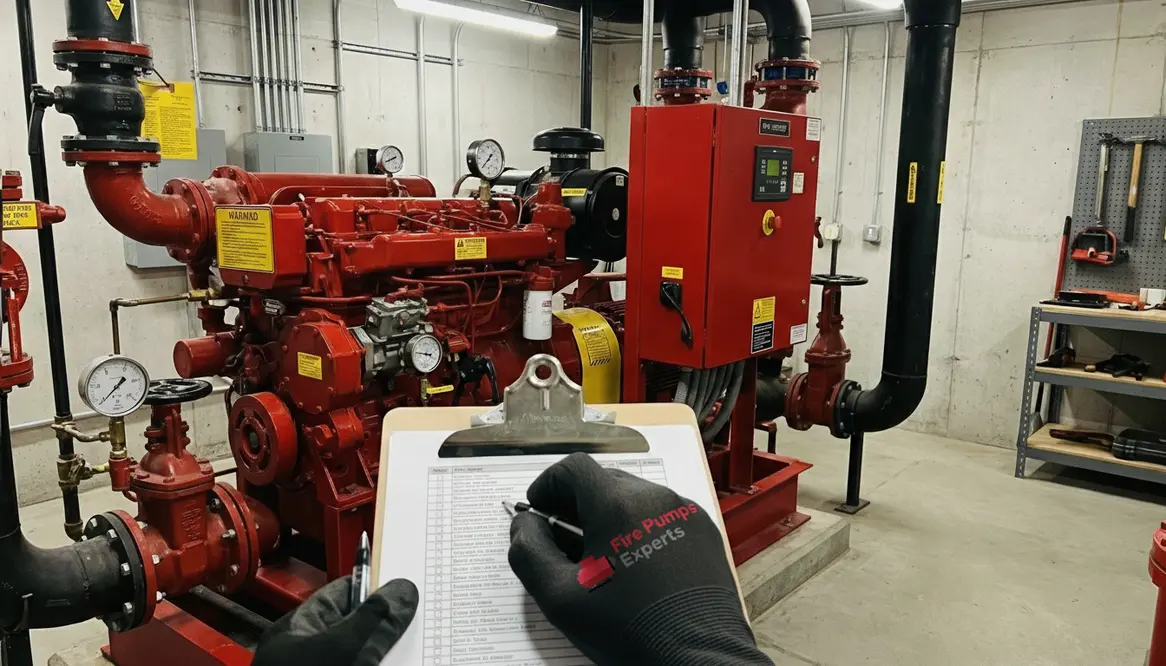
Fire Pump Compliance Checklist for Global Teams
A practical, global-ready checklist to keep fire pumps, records, and teams aligned before alarms, audits, or real emergencies test the system.
When I talk about fire pump compliance, I am talking about the kind of work that keeps large commercial and industrial properties ready when the pressure drops and the stakes rise. Across towers, plants, campuses, and major mixed use sites, I have seen one truth hold up again and again: if the pump fails, the whole protection plan starts to wobble. And that is not a fun surprise, unless your idea of fun is a midnight alarm and a very serious phone call.
So, I keep my eye on the details. I check the records, the tests, the power source, the valves, and the people who maintain the system. In global property teams, that discipline matters even more because rules shift by region, site use, and insurer. Below, I break the process into a simple, practical checklist that helps me stay ready without turning the job into a soap opera.
What I Check First on Every Site
I start with the basics, because basics save buildings. First, I confirm that the fire pump matches the site demand and the current hazard level. Then I look at the nameplate, the controller, the suction and discharge piping, and the room itself. Each item tells me whether the system can perform under stress or whether it has started to drift off script.
I also verify that the pump room stays clear, dry, and accessible. If I cannot reach the equipment fast, then the site already has a problem. In addition, I confirm that the pump has the right clearances, working lighting, and proper ventilation. A fire pump room should not feel like a forgotten storage closet where old chairs go to retire. That space needs order.
Core room checks
- Clear, unlocked access with obvious wayfinding
- No storage blocking equipment, valves, or panels
- Dry floor and no signs of active leaks
- Lighting bright enough to read gauges easily
- Ventilation appropriate for the pump type and room size
Pump and hardware checks
- Fire pump rating aligned to current hazard and demand
- Nameplate data legible and consistent with design documents
- Controller labeled, powered, and free of fault indicators
- Suction and discharge piping supported and protected
- Valves supervised, in correct position, and accessible
Test, Inspect, Repeat: My Core Routine
Daily, weekly, and monthly checks
I keep my routine simple and steady. That rhythm keeps global teams aligned and supports consistent fire pump compliance across sites that never share a time zone.
Daily
I verify controller power, system pressure, and visible trouble signs.
- Controller shows normal power
- System pressure within expected range
- No unusual noises, leaks, or hot spots
- Alarms and indicators in normal state
Weekly
I inspect the pump status, run the unit when required, and confirm normal readings.
- Start the pump in accordance with local rules and manufacturer guidance
- Record suction and discharge pressures
- Listen for abnormal vibration or noise
- Verify automatic start and stop functions where applicable
Monthly
I review valves, gauges, seals, battery support where used, and general condition.
- Inspect valve position, tamper seals, and supervisory signals
- Check gauge calibration dates and readability
- Verify battery condition, chargers, and cables for engine-driven sets
- Look over paint, corrosion, labeling, and housekeeping
Because teams span time zones, I build a schedule that local operators can follow without guesswork. Then I review the logs to catch drift early. Small changes in pressure or vibration often show up before a bigger fault does. That is the kind of warning I like. It is boring in the best possible way.
Global Property Team Checklist
Site and equipment
- Confirm pump type and rating
- Check room access and clear space
- Review valves, gauges, and piping
- Inspect controller status and alarms
Records and control
- Keep test logs current
- Track repairs and part changes
- Match local code and insurer needs
- Assign one person to close follow up items
Why Records Matter More Than People Think
Good records do more than satisfy an auditor. They show me how the system behaves over time. They also help me prove that the site stayed in line with local rules and internal policy. That matters when I manage multiple buildings, especially when different countries want different proof.
So, I keep clear logs for inspection dates, test results, service notes, corrective actions, and replacement parts. I also store photos when useful. If a pump room issue comes up later, I want a clean trail. No drama. No detective work worthy of a streaming series.
For teams that want deeper guidance, I often point them to global fire pump standards for commercial facilities as a useful reference point when building internal controls and audit plans. When those standards sit next to local rules, they create a strong backbone for fire pump compliance across a global portfolio.
How I Handle Code, Service, and Accountability
I never treat code review as a one time event. Instead, I compare local rules, site risk, insurer terms, and manufacturer instructions on a regular basis. Then I make sure the maintenance plan reflects the strictest need that applies to the site. That approach may sound cautious, and it is. But in this line of work, cautious beats costly.
Staying ahead of changing rules
- Review local fire codes and standards on a defined cycle
- Compare insurer requirements with authority expectations
- Align manufacturer instructions with internal procedures
- Update testing frequencies and methods when rules change
Clear ownership across teams
I also assign clear ownership. One team tracks inspections, another reviews service work, and a manager approves closure. That keeps gaps from slipping in between departments. And yes, those gaps can grow fast, especially on large portfolios where everyone assumes someone else handled the task. Classic group project energy. Never ideal.
Fixes, Upgrades, and the Final Review
When I find a fault, I act fast. I schedule repairs, verify parts, and confirm that the system returns to normal before I close the item. If the pump has repeated trouble, I look deeper. I check alignment, power quality, pipe condition, flow loss, and wear patterns. In some cases, I push for an upgrade rather than another round of patchwork fixes. That saves time, money, and headaches later.
I also review the full system after any major change at the site. If the building adds load, changes layout, or updates its risk profile, then the pump plan must keep up. Fire pump compliance is not a shelf item. It lives, shifts, and demands attention. Like any good cast member, it works best when the whole team knows its role.
On global property teams, the best time to address weak documentation, drifting test routines, or unclear ownership is before an incident or audit. That is why I fold fire pump compliance into regular portfolio reviews, not just annual sign offs.
FAQ
Conclusion
If you manage major commercial or industrial properties, I urge you to treat this checklist as part of your daily rhythm, not a backup plan. Review each site, tighten the logs, and close every gap before it grows teeth. If your team needs a stronger process, use this guide to shape it, then build a routine that matches your portfolio and local rules.
Ready to get ahead of the next audit and the next failure? Start now, and make your pump program one less thing to worry about. When fire pump compliance becomes standard behavior across your global team, alarms feel less dramatic, inspections feel routine, and the systems you count on are far more likely to perform when the pressure truly drops.