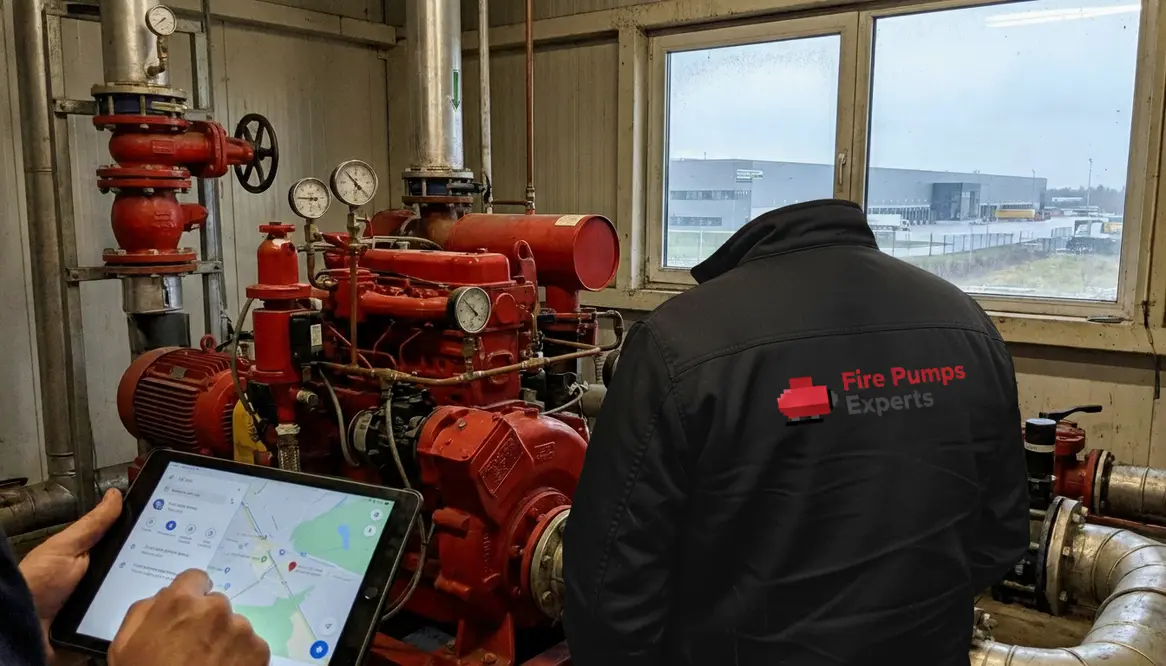
Fire Pump Standards Map for International Facilities
When I look at fire pump standards for international facilities, I see more than a checklist. I see the quiet system that stands between a small problem and a very expensive headline. In commercial and industrial buildings, the rules shift by country, code, and insurer. So, I map the standards before I map the system. That way, I can compare what the building needs, what the local authority wants, and what the owner can actually support without turning the project into a scene from a bad action movie.
How I read global fire pump rules
I start by identifying the governing code in each country, then I check the site type. A warehouse in Dubai may not follow the same path as a hospital tower in Singapore, and that matters. The core idea stays the same: the pump must deliver reliable water flow and pressure when the sprinkler or standpipe system calls for help. However, the testing, approval, and installation rules can differ a lot.
I usually compare three layers. First, I look at the local building code. Next, I review the fire code or fire authority rules. Finally, I check insurance and owner standards, because sometimes the insurer wants a say too. Yes, even the insurance folks want a seat at the table. They do enjoy a good spreadsheet.
The best approach is to map the project by region. For example, North American projects often align with NFPA based design, while many other regions may blend local laws with international testing rules. As a result, the same pump room can need different documents, different test records, and different acceptance steps. That is why I treat every project as its own little kingdom.
What international facilities must match
When I build a standards map, I focus on the parts that change most often. These are the items that can slow approval, trigger redesign, or delay startup. I keep my eyes on:
Dual column view
Design item
Water source
Pump type
Pressure need
Power supply
Testing method
What I check
Tank, city main, or fire reservoir capacity
Electric, diesel, or fire pump set arrangement
Highest demand point in the system
Utility, generator, or backup path
Flow test, churn test, and acceptance records
I also confirm whether the project uses a single pump or a main pump with a backup. In large facilities, that choice affects uptime and maintenance. Then I look at the suction side, because a weak supply can ruin even a strong pump. The pump may look tough, but water still has the final word.
For international projects, I also check language on the submittals. If the authority wants local language documents, I do not fight it. I translate, organize, and keep the record clean. That helps during plan review and later during inspection.
Fire pump standards by region without the headaches
I keep this part simple. Different regions often use different reference points, but the project goal stays the same. The system must start fast, hold pressure, and support the fire protection network during an emergency. So, I compare the local code with the accepted testing and installation method used for that market.
In many commercial and industrial sites, I find that the biggest gaps show up in these areas:
- pump room access and clearances
- fuel supply for diesel units
- electrical supply and control panel layout
- housing for cold or hot climates
- pressure relief and circulation protection
Each one sounds small, but together they decide whether the system passes or stalls. For example, a pump room in a tropical plant may need ventilation and corrosion control, while a cold climate facility may need freeze protection. So, I do not copy and paste one design across six countries and hope for the best. That is how trouble gets a passport.
I also keep an eye on acceptance testing. Some authorities want witnessed tests, while others require detailed reports after startup. Therefore, I plan the test early and not after the crew has already packed up the tools and started celebrating.
How I plan submittals and approvals
Before I send a package, I build a clean paper trail. I include the pump curve, driver data, tank data, controls, and the required certifications. Then I match every sheet to the local code path. That simple habit saves time, and it also saves me from hearing the phrase, “Please revise and resubmit,” which has ruined many otherwise decent afternoons.
When I work on major property buildings, I also prepare the operation and maintenance details early. International facilities often change hands, and the next team may not know the original design intent. So, I make the documents clear enough for the people who will maintain the system five years later, not just the team that shakes hands on opening day.
If a project crosses borders, I recommend a single standards map for the full facility portfolio. That gives owners a repeatable method for offices, plants, logistics centers, and mixed use towers. It also makes audits easier. In plain terms, it keeps the whole thing from turning into a stack of mystery files no one wants to touch.
If you want a deeper reference set on fire pump standards and global practices, resources like https://firepumps.org can help frame what different markets expect.
Why a standards map keeps fire pump projects sane
A clear map of fire pump standards is the part of the project that does not make the highlight reel but quietly keeps everything else from falling apart. When owners spread assets across continents, the gap between “how we do it at home” and “how the local authority demands it” can be wide enough to stall construction, strand equipment at the dock, or send a carefully planned schedule straight into overtime territory.
By putting fire pump standards in one place per facility and then across the portfolio, it gets easier to see patterns: which countries need extra approvals, which jurisdictions insist on specific test procedures, and which insurers quietly raise the bar for critical sites. That view turns a scattered set of rules into something a project team can actually work with.
Over time, that same map becomes a playbook. Teams stop arguing about which edition of which code applies and start asking better questions: how early to schedule witnessed tests, how to size rooms so maintenance is realistic, and how to write specs that hit fire pump standards in one pass instead of three rounds of review. It is not glamorous work, but in a fire pump room, boring and predictable is the goal.
FAQ
Where I go from here
If you manage a commercial or industrial property across regions, I would not wait for plan review to reveal the gaps. I would map the codes, test needs, and submittal rules early, then align the fire pump system to the site before the project moves too far. If you want a cleaner path to approval and a safer building at the same time, start with the standard map and build from there. That is the calm, practical move, and it works.