Fire Pumps and Pressure in Commercial Sprinkler Systems
The Critical Role of Fire Pumps in Commercial Fire Sprinkler Systems
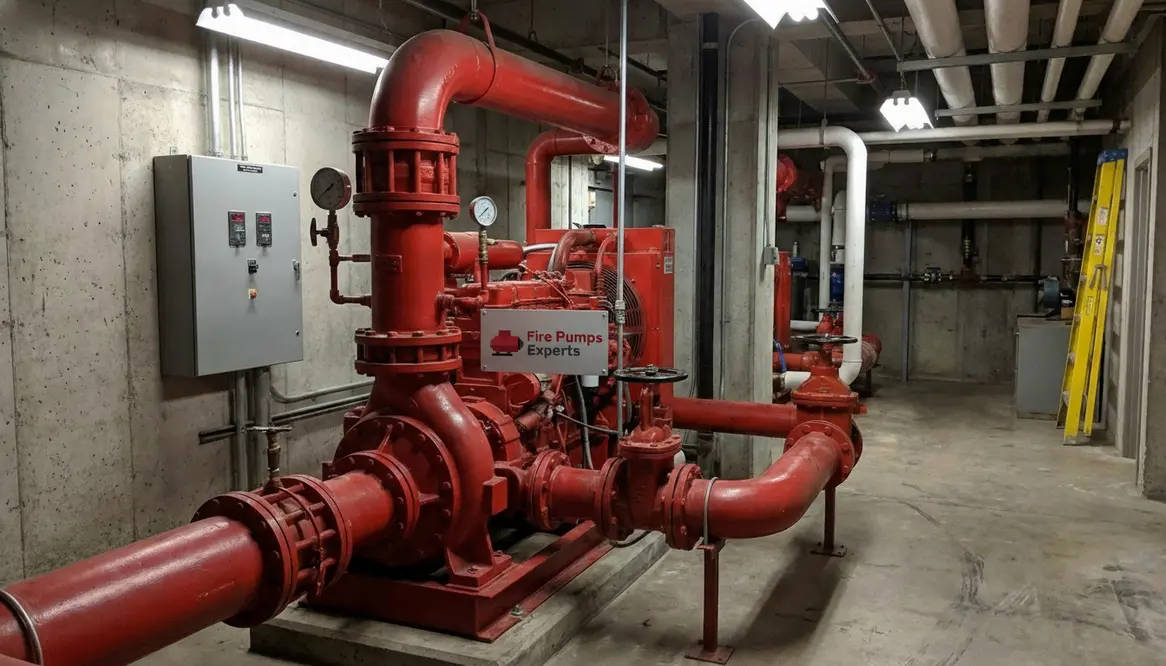
When I look at a commercial fire sprinkler system, I do not see just pipes and heads waiting for trouble. I see a chain of protection, and at the center of that chain sits the role of fire pumps in fire sprinkler systems. Without the right pressure, even the best sprinkler layout can fall flat when the heat rises. That is the ugly little truth. Fire pumps step in when the water supply alone cannot keep up, and they help make sure a building gets the force it needs, right when it matters most.
In commercial and industrial buildings, that difference can decide whether a small incident stays small or turns into a very expensive headline. So, let me walk through why fire pumps matter, how they support sprinkler systems, and what building owners should keep in mind.
Why I treat fire pump pressure as the backbone of protection
A sprinkler system depends on water flow and pressure. However, many large buildings use high ceilings, long pipe runs, and complex layouts. As a result, city water alone may not provide enough push. That is where a fire pump earns its keep.
The pump boosts pressure so sprinklers can release water fast and in the right pattern. It also helps cover upper floors, remote areas, and zones with heavy demand. In plain terms, it helps the system do its job instead of just looking busy like a movie extra in a disaster scene.
For commercial properties, that matters because fire loads are often larger and risks move faster. Warehouses, office towers, manufacturing sites, and major buildings all need reliable pressure. Therefore, I always view the pump as a key part of the building’s fire defense, not a nice add on.
How I explain fire pumps in commercial sprinkler design
Fire pumps are not there for decoration. They activate when the system senses pressure drop, usually after sprinklers open or a fire hose valve draws water. Then the pump increases flow so the sprinkler network can keep responding.
Here is the practical flow:
Step 1 Water supply enters the system from a tank, city main, or reservoir.
Step 2 Pressure drops during fire demand.
Step 3 The pump starts and raises pressure.
Step 4 Sprinklers and related fire lines receive stronger water delivery.
Step 5 The system keeps working until the fire is controlled.
This process sounds simple, but the engineering behind it is anything but casual. Pump size, power source, suction conditions, and building demand all have to match. If they do not, the system may underperform at the worst possible moment, and that is not a plot twist anyone wants.
What I check when choosing the right fire pump
Every building asks for something a little different. Therefore, I look at several points before I trust a pump setup.
- Water supply strength to see whether the site needs pressure support
- Building size and height because taller structures need more lift
- Occupancy type since warehouses, hotels, and factories have different demands
- System layout because pipe length and branch design affect pressure loss
- Backup power so the pump can still run during an outage
That last item matters more than people think. A fire does not care if the grid is tired. It does not wait for a better time, either. So, dependable power and proper pump selection help keep the system ready, which is exactly why the role of fire pumps in fire sprinkler systems shows up when the stakes rise.
Fire pumps, inspections, and long term reliability
Even the best pump needs regular care. I have seen systems work well for years because someone stayed on top of testing, and I have seen trouble follow neglect like a bad sequel. Routine inspections help catch leaks, worn parts, control issues, and pressure drops before they become real problems.
In commercial fire protection, testing should confirm that the pump starts, holds pressure, and responds the way the design expects. In addition, the system should align with local code and the building’s use. That means the pump is not a set it and forget it device. It is more like a trusted guard who still needs roll call.
For a broader look at pump basics, I also recommend what a fire pump does in commercial and industrial buildings. And if you are comparing local options, you can review los angeles fire pump solutions for support with major properties.
Where fire pumps fit in the bigger fire protection picture
Fire pumps do not work alone. They support sprinklers, standpipes, water tanks, alarms, and control valves. Because of that, I see them as part of a larger safety system, not a separate gadget hiding in a mechanical room.
When the system is designed well, each part supports the next. The sprinkler heads respond to heat. The pump keeps pressure steady. The control system manages flow. Then, together, they help slow fire spread and protect people, property, and operations. That kind of teamwork makes even a stressed building feel a little less dramatic than a summer blockbuster, and that is the practical payoff of the role of fire pumps in fire sprinkler systems.
FAQ
Conclusion
If I want a commercial fire sprinkler system to do its job, I cannot ignore the pump. It gives the system the pressure it needs, supports fast response, and helps protect major buildings when a fire starts to spread. So, if you manage a commercial or industrial site, review your pump setup, confirm it matches your building demand, and schedule a professional check. That small step can make a very big difference when seconds start to matter, and it reinforces the role of fire pumps in fire sprinkler systems as the pressure you can trust.