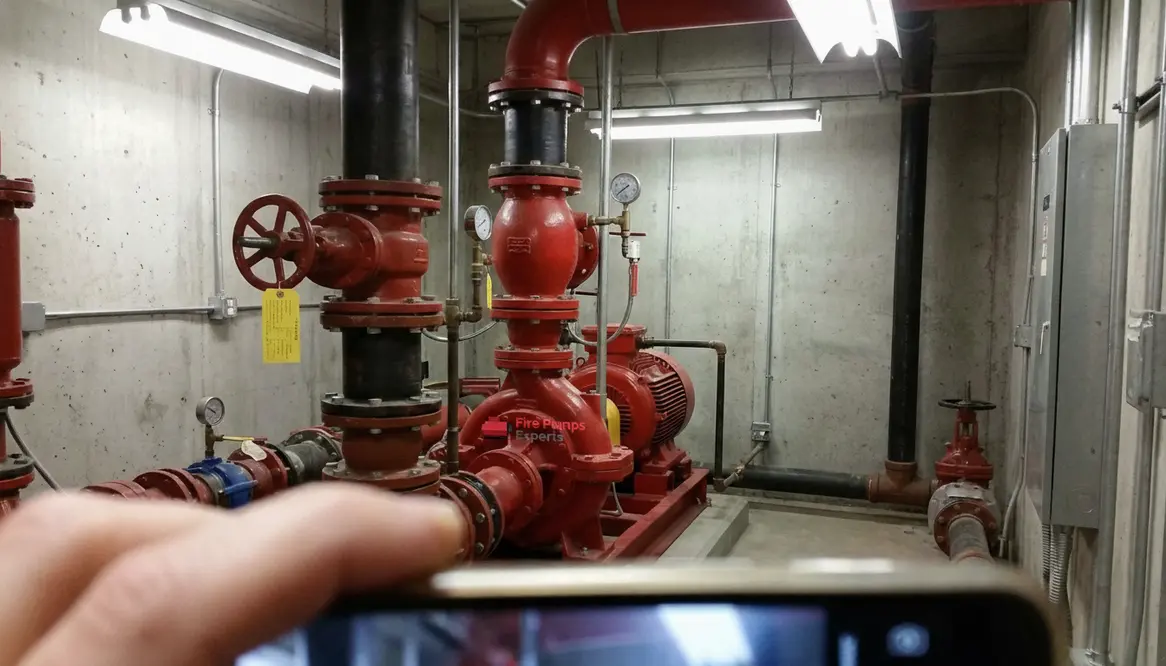
Do Commercial Buildings Need a Fire Pump in Australia?
The quick answer
When people ask do commercial buildings need fire pumps australia, they usually want a straight answer, not a maze of code talk and office small print.
Short version: no, not every commercial building needs a fire pump. However, some do, and the reason depends on building size, water supply, sprinkler demand, height, and fire safety design.
The building either has enough water pressure to handle a fire system, or it needs a little help from a pump. Simple idea. Very dramatic job. Like a backup singer who ends up saving the whole concert.
What this guide covers
In this article, you will walk through when a fire pump becomes necessary, how to think about the risk, and what building owners should check before making a decision.
You will also share useful references, including what a fire pump is from a trusted industry source, so the whole thing stays practical and clear.
Key takeaway
Fire pumps are about pressure and performance. If the water supply and design can’t reliably meet the system demand, that is when a pump comes into the picture.
When I say a fire pump is needed, what do I mean?
A fire pump boosts water pressure for fire protection systems. That matters most when the water supply cannot keep up with the system demand.
For example, a sprinkler system may need steady pressure to cover the full building. If the supply drops or the building sits too high, the system may not perform as intended. And that is where the pump steps in like the understudy who knows all the lines.
In commercial and industrial settings, fire pumps are part of a larger safety chain. They support sprinklers, hydrants, and hose reels when the site design calls for more flow or more pressure. So, while some low rise buildings can rely on the mains water supply alone, taller or more complex properties often need extra support.
What makes a commercial building need one?
I usually check a few main factors first:
- Building height if water has to travel far upward, pressure can drop fast
- Sprinkler demand if the system needs more water than the supply can provide
- Site water pressure if the incoming supply is weak or inconsistent
- Building use warehouses, factories, and large retail spaces often need more fire protection
- Tank arrangement if the site depends on stored water, the pump may help deliver it properly
So, if a building has a low rise layout and a strong water supply, it may not need a pump. However, once you add height, long pipe runs, or higher hazard areas, the answer can change quickly. Fire protection does not care how sleek the lobby looks. It wants pressure.
How I decide if a pump is required in Australia
When people ask do commercial buildings need fire pumps australia, the answer usually comes from the fire design and local rules, not guesswork.
In Australia, the building code, sprinkler standards, and hydraulic design all play a role. That means a qualified fire protection specialist should test the water supply, review the building class, and check the system demand before anyone signs off on the final setup.
For a clearer picture of the pump itself, I recommend reading what a fire pump is. It gives a solid foundation for understanding how the system works and why it matters in large commercial and industrial sites.
Two common scenarios I see in the field
To make this easier, here is a simple side by side view.
| Building type | Likely pump need |
|---|---|
| Small single level office with strong mains pressure | Often no pump needed |
| Multi level warehouse with sprinkler system and lower water pressure | Fire pump often required |
This is not a final rule, of course. Yet it does show the pattern. Bigger risk, bigger demand, more chance of a pump. The fire system has to perform on the worst day of the year, which is not the day to discover weak pressure and a shrug.
What I check before recommending a fire pump
Before I suggest any pump setup, I like to look at the whole picture. First, I check the water test results. Then I review the sprinkler or hydrant design. After that, I look at storage tanks, pipe sizing, and the building layout. If the system cannot deliver enough pressure at the farthest point, the pump becomes a smart move, and sometimes a required one.
I also keep an eye on maintenance. A pump is not a set and forget hero. It needs testing, records, and regular care. Otherwise, it is just a very expensive piece of confidence sitting in a room. That is why building owners should think beyond install day and plan for the long haul.
Why the answer is rarely the same for every building
Here is the truth. Two commercial buildings can look similar and still need different fire protection. One may sit on a good water main. The other may have poor pressure and a higher hazard load. So, the real answer is never just yes or no. It depends on the building, the water supply, and the protection target.
If you want a useful overview of installation planning and cost factors, I also suggest checking the fire sprinkler installation cost and process guide from Kord Fire. It helps connect the pump decision to the bigger fire protection budget and setup picture.
FAQ
Conclusion
If you are still asking do commercial buildings need fire pumps australia, my advice is simple: do not guess. Review the building size, water pressure, system demand, and local fire rules before making a call. A fire pump can be essential, but only when the site truly needs it.
If you manage a commercial or industrial property, speak with a qualified fire protection expert now and get the right system in place before pressure becomes a problem.