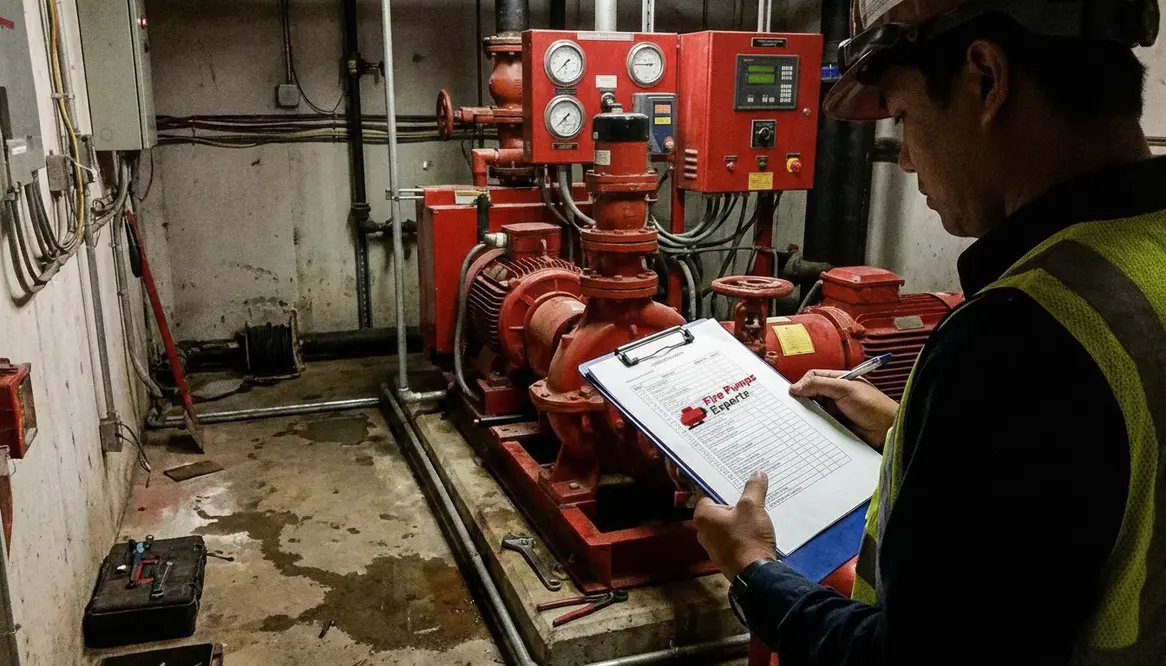
AS 1851 Fire Pump Inspection Checklist
When I talk about life safety, I keep one thing in mind: the fire pump is not the star of the show, but when trouble starts, it acts like the lead actor in the final scene. The AS 1851 fire pump inspection gives commercial and industrial sites a clear way to check that this vital system is ready to work. In large buildings, plants, and major properties, I do not treat this as a quick glance and a nod of approval. I treat it as a disciplined routine that protects people, property, and business continuity. And yes, it is a little less glamorous than a superhero movie, but far more useful when smoke shows up.
Why I Start With a Clear Fire Pump Inspection Routine
I start with the basics because the basics save the day. A solid AS 1851 fire pump inspection routine helps me catch weak points before they become expensive failures. Under AS 1851, I look at how the pump operates, how the controls respond, and whether the whole setup stays ready for duty. For commercial and industrial sites, that means fewer surprises, less downtime, and a much better chance that the system performs when it matters most.
First, I confirm the pump room stays clean, dry, and easy to access. Then I check for leaks, damage, strange noise, and signs of wear. After that, I move to the power supply, control panel, and valves. Each step matters because fire pumps rarely fail in one dramatic moment. More often, they fail by sending small warning signs, like the system version of a tired sidekick saying, “I am not feeling great today.”
AS 1851 fire pump inspection checklist essentials
When I build or follow an AS 1851 fire pump inspection checklist, I focus on practical items that tell me the pump can do its job. I look at:
- pump condition and visible damage
- pressure readings and water supply status
- motor or engine operation
- control panel indicators and alarms
- valves, gauges, and piping condition
- fuel, cooling, and battery condition where needed
- room access, lighting, and general housekeeping
Next, I test whether the pump starts correctly and reaches the right performance level. I also check that alarms and indicators give clear signals. If something looks off, I do not shrug and hope for the best. Hope is nice in movies. In fire safety, not so much.
What I Check During a Fire Pump Walkthrough
During a walkthrough, I want to see the full picture, not just one shiny part. So I inspect the area around the pump and the system itself. I confirm that nothing blocks access, because a pump buried behind storage boxes is about as helpful as a locked exit during a fire drill. I also listen for odd sounds during operation, since vibration, grinding, or knocking can point to wear or alignment problems.
Then I review the water side of the system. I check suction and discharge conditions, along with any pressure loss or flow concerns. If the system uses a diesel driver, I examine fuel quality, starting batteries, and cooling lines. If it uses electric power, I verify the supply and controller health. In both cases, I want stable operation and fast response.
How I Use AS 1851 Records to Stay Ahead of Failures
Good records do more than fill a folder. They help me spot patterns. When I review past inspections, I can see slow pressure drops, repeat alarms, or small faults that keep returning like an unwanted sequel. That history helps me plan repairs before a small issue becomes a serious breakdown.
AS 1851 also supports a structured approach to maintenance timing. So, I track what I tested, what I found, and what I fixed. That way, I can prove the system has been cared for properly and show where action is still needed. For facility managers, this record trail makes audits easier and decision making much faster. If you keep your AS 1851 fire pump inspection schedule consistent, you also keep your surprises to a minimum.
Dual column checklist for commercial and industrial fire pumps
Inspection point
Pump condition
Controls
Water supply
Driver system
Valves and gauges
Room condition
What I want to see
Clean, secure, no visible leaks or damage
Clear indicators, no fault lights, proper operation
Stable source, no blockage, no pressure loss signs
Battery, fuel, or power supply in good condition
Correct position, readable, and functioning well
Dry, accessible, well lit, and free of clutter
When I Recommend Professional Fire Pump Support
Sometimes I find a problem that needs expert repair rather than a quick fix. That is normal. Pumps work hard, especially in large commercial buildings, industrial facilities, and major property sites. So, I recommend professional support when I see repeated alarms, weak pressure, failed starts, or signs of mechanical damage. Because if your AS 1851 fire pump inspection turns into a “watch and wait” situation, you end up paying more later.
If you want a deeper look at fire pump service and compliance support, I suggest reviewing the fire pump compliance specialists at Kord Fire. Also, if you need region specific service details, the los angeles fire pump service page offers a useful reference for pump related support. In either case, the goal stays the same: keep the system ready, reliable, and fit for the job. And yes, keeping it compliant matters, because an AS 1851 fire pump inspection is only as strong as what you act on afterward.
fire pump compliance specialists at Kord Fire. Also, if you need region specific service details, the los angeles fire pump service page offers a useful reference for pump related support.
FAQ for AS 1851 Fire Pump Inspection
Conclusion
If you manage a commercial, industrial, or major property site, I strongly recommend treating your fire pump as a priority, not a side task. A disciplined AS 1851 fire pump inspection gives you confidence, cleaner records, and better system readiness. So, review your checklist, fix the weak points, and keep your pump in top shape before an emergency makes the decision for you. If you need support, I am ready to help you move from “probably fine” to “properly prepared.” And when your next AS 1851 fire pump inspection rolls around, you will already have the groundwork in place.