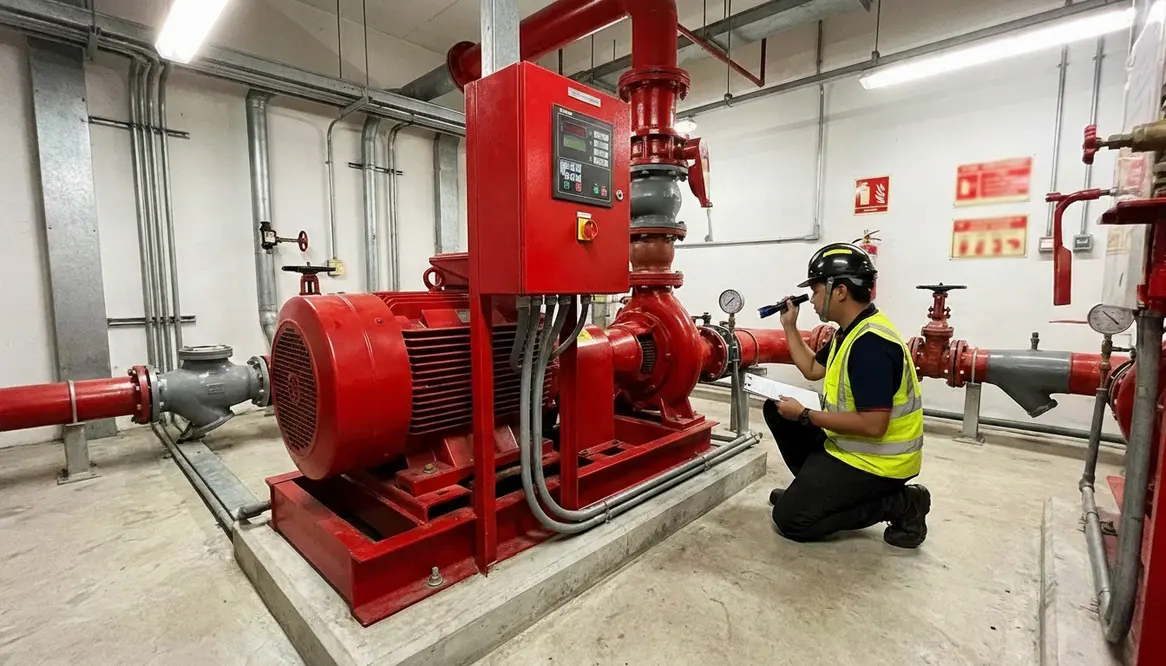
AS 2941 Electric Fire Pump Requirements for Protection
When I talk about AS 2941 electric fire pump requirements, I am talking about more than a box of parts sitting in a plant room. I am talking about a system that must start fast, run strong, and keep critical buildings protected when the pressure drops and the stakes rise. In commercial and industrial sites, and in major property buildings, that matters a great deal. One weak link can turn a calm night into a very expensive headache, and nobody wants that kind of plot twist.
So, I take this standard seriously. It guides how I choose, place, test, and maintain electric fire pumps so they can do their job without drama. And yes, the pump may live quietly most days, but when it wakes up, it needs to act like it has been training for this moment its whole life.
What AS 2941 means for an electric fire pump setup
AS 2941 sets the rules for fire pump systems used in fire protection. In plain terms, it helps me make sure the pump can deliver the right water flow and pressure when the fire system needs it. Therefore, I do not treat it like a suggestion. I treat it like a must follow blueprint.
The standard looks at more than pump size. It covers pump room layout, power supply, suction conditions, controls, and how the system should perform during an emergency. As a result, I can check that the whole setup works as one unit instead of a few hopeful parts doing their own thing like a band that forgot the rehearsal.
How I choose the right electric fire pump for a site
I start with the building risk. A warehouse, a high rise, and a manufacturing plant do not need the same answer. Therefore, I review the site demand, sprinkler load, hydrant needs, and any special fire risk before I choose the pump. I also look at the expected duty point, since the pump must match the real water demand rather than a guess written on a lunch break napkin.
Here is what I usually check first:
Expected fire flow and pressure
Power supply reliability and backup options
Pump type and size for the system load
Water source and suction conditions
Space for access, service, and testing
Then I compare the pump with the site needs. If the match is off, the system may fail to meet demand, and that is not a scene I want to direct.
AS 2941 electric fire pump installation rules I check on site
Installation is where the standard really earns its keep. First, I look at the pump room. It must stay clear, dry, and easy to access. Next, I check that the pump has a stable base and proper alignment. If the base is weak, vibration can creep in, and vibration is the kind of guest nobody invites back.
Then I review suction piping, valves, and controls. The piping must support good flow and avoid air traps or pressure loss. In addition, the controller must start the pump when needed and show the right status at a glance. I also make sure the power supply can support the pump under fire conditions, because a fire pump without power is like Batman without the suit. Still impressive in theory, but not much help in a crisis.
What I test during commissioning and routine checks
Commissioning tells me whether the system performs as designed. I do not stop at a quick power on check. Instead, I test starting, flow, pressure, alarms, and control functions. I want proof, not hope.
Routine checks matter too. Over time, I verify that the pump starts properly, that the controller responds, and that no part of the system has drifted out of range. Because fire protection systems sit quietly for long stretches, small faults can hide until the worst possible moment. That is why I keep a regular test plan and log every result.
AS 2941 electric fire pump maintenance that keeps systems ready
Good maintenance protects the building and the business. I inspect the pump, motor, controller, valves, and pipework for wear, leaks, heat damage, and loose fittings. I also watch for corrosion and blocked lines. If I find a fault early, I can fix it before it turns into a larger issue with a much less friendly price tag.
For clarity, here is a simple side by side view of what I focus on:
Daily and weekly checks
Visual inspection of the pump room
Controller status review
Leak and noise check
Alarm verification
Longer term service checks
Full performance testing
Electrical checks and load review
Valve service and pipe condition review
Documentation and compliance review
This rhythm helps me keep the system ready without waiting for trouble to knock on the door like a late night sitcom guest.
Where I get practical guidance and support
When I need a trusted reference for fire pump work in commercial and industrial settings, I look at resources that focus on real site needs. For more detail, I use Kord Fire’s fire pump solutions as a helpful reference. Also, for local search and service context, I review los angeles fire pump support as an additional external point of comparison for fire pump systems.
FAQ
Conclusion
If you manage a commercial, industrial, or major property building, I recommend treating your fire pump as a core safety asset, not background equipment. A well planned AS 2941 electric fire pump setup can protect people, reduce risk, and support compliance when it counts most. If you want a system review, upgrade plan, or expert support, now is the time to act. Make the check before the alarm does it for you.