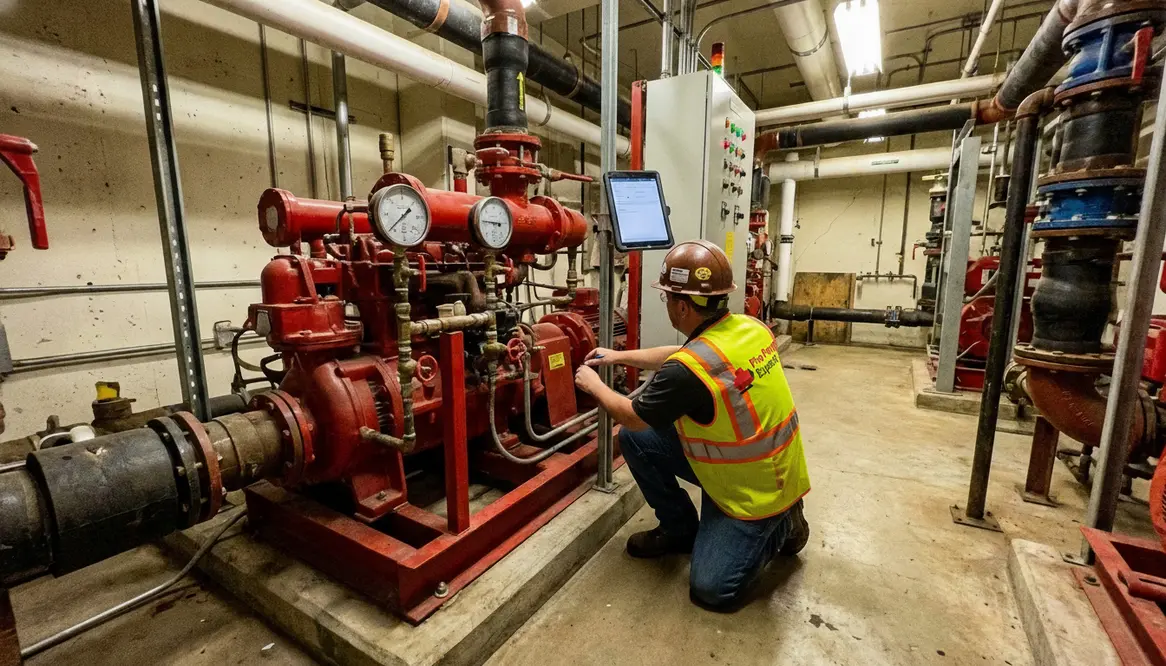
AS 1851 Fire Pump Testing What I Check and Why It Matters
When I deal with an AS 1851 fire pump, I treat it like the quiet hero in the back room. It does not ask for applause, but when a fire system needs water fast, it better show up like the lead in a final scene. In commercial and industrial buildings, that pump protects people, assets, and the kind of uptime no one wants to lose. So, I follow the testing rules closely, because a fire pump that only looks ready is about as useful as a superhero with a coffee break and no suit.
AS 1851 sets the routine for inspecting, testing, and maintaining fire protection systems in Australia. For major properties, I use it to confirm the pump starts, runs, delivers pressure, and stays dependable. That matters not just for compliance, but for real life. A system may sit silent for months, yet it still needs to perform the moment it counts.
AS 1851 fire pump testing requirements: what I check, why it matters, and how I keep systems ready
Here is the short answer: I test the pump on a set schedule, check key parts, record the results, and fix any fault fast. AS 1851 expects a proper inspection and test routine, not a quick glance and a nod of confidence. I look at the pump house, power supply, valves, gauges, controllers, alarms, and overall performance. Then I confirm the system runs within the right limits.
- visual checks for leaks, damage, rust, and blocked access
- start up tests for electric, diesel, and jockey pumps
- pressure and flow checks to confirm output
- control panel and alarm checks
- fuel, battery, cooling, and belt inspections where needed
- logbook records and fault follow up
That may sound simple, but the details matter. A pump can pass one day and fail the next if nobody watches the small stuff. And yes, fire pumps have a talent for hiding trouble until the worst possible moment. Classic.
How I test a fire pump system step by step
I start with the basics. First, I inspect the area around the pump to make sure nothing blocks access. Then I check for signs of wear, corrosion, or leaks. After that, I test start up and monitor the pump while it runs. If I see weak pressure, odd noise, vibration, or slow response, I stop and investigate.
Next, I confirm the pump meets the expected duty point. This means I want to see the right pressure and flow for the building’s fire system. For a commercial site, that can be the difference between a controlled event and a very expensive headline. I also test the controller and alarms so the system can alert staff if something goes wrong.
For diesel pumps, I pay extra attention to battery health, fuel level, engine condition, and cooling. For electric pumps, I check power supply stability and controller function. A good test is not just about making the pump run. It is about making sure the whole setup works as one team. Think Avengers, but with more pipes and less CGI.
What records I keep for compliance and audits
AS 1851 does not just care that I tested the system. It also cares that I can prove it. So, I keep clear records of dates, readings, faults, repairs, and follow up checks. That log becomes vital during audits, insurance reviews, and building compliance checks.
- who carried out the test
- what equipment I tested
- what results I measured
- what defects I found
- what actions I took
- when I completed the repair or retest
Good paperwork may not sound exciting, but it saves time, money, and stress. Also, when a regulator asks for proof, “I remember it looked fine” rarely wins the day.
Why commercial and industrial sites need regular testing
I only recommend this level of care for commercial, industrial, and major property buildings, because those sites carry higher risk and heavier loads. A warehouse, office tower, hospital, shopping centre, or factory needs strong fire protection because the stakes stay high. More people, more equipment, more moving parts, more risk. That is the simple math.
Regular testing helps me catch problems before they grow. A loose valve, weak battery, failing seal, or worn part can turn into a system failure later. So, I treat each inspection as a chance to protect life safety and business continuity at the same time. That is the sweet spot. Safety on one side, fewer surprises on the other.
When to call a specialist and what to expect
When a test shows low pressure, unstable operation, repeated faults, or unclear readings, I bring in a specialist fast. I do not wait for the fire pump to develop a dramatic personality. A proper service team can diagnose the issue, repair the fault, and confirm the system is back in line with AS 1851.
For businesses that want a clear standard of care, I also review trusted resources from Kord Fire compliance support because a reliable maintenance process makes life easier for everyone involved.
In addition, for local search and service coverage, I note the value of los angeles fire pump testing services as a reference point for commercial fire pump support.
FAQ
Conclusion
If you manage a commercial or industrial site, I recommend treating AS 1851 fire pump testing as a non negotiable part of your safety plan. It keeps your system ready, your records clean, and your risk lower. More importantly, it helps protect people and property when the pressure rises, both literally and financially. If you want the job done right, I suggest speaking with a fire protection specialist who knows the standard, the system, and the real world demands of major buildings.