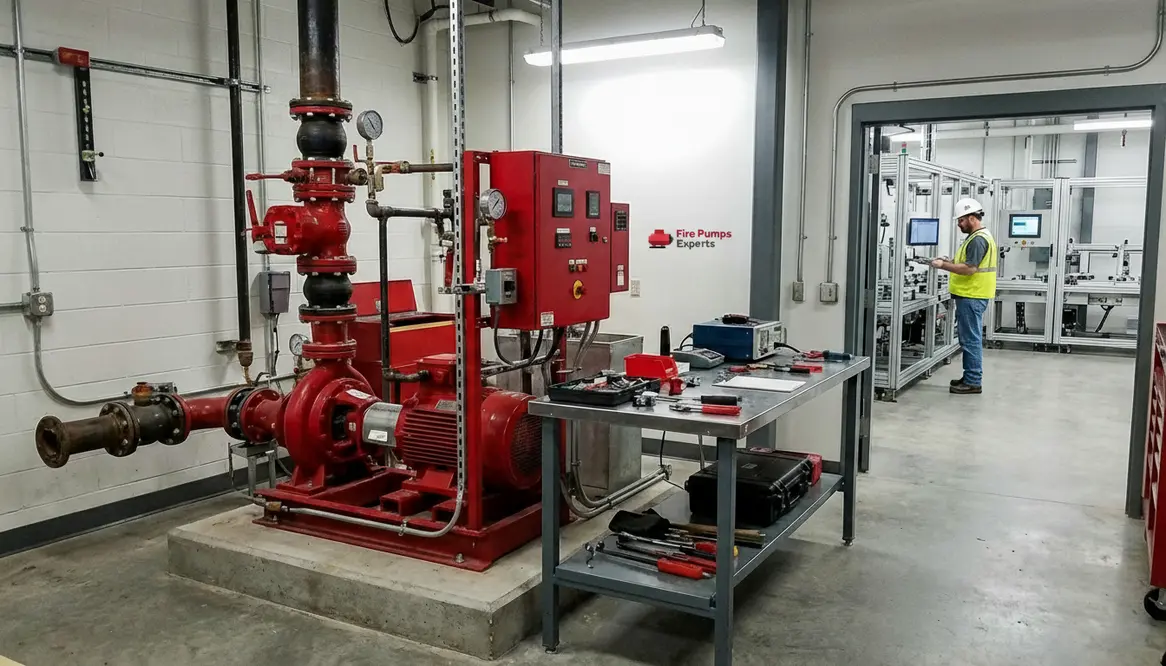
Fire Pump Systems for Prototype Facilities
I have spent enough time around commercial and industrial builds to know one truth: when you are pushing boundaries in a prototype facility, safety cannot lag behind innovation. In fact, it has to lead. That is where Fire pumps for small-scale production and testing come into play. These systems are not just backup equipment sitting quietly in a corner. They are the calm, steady heartbeat that keeps high risk environments protected while engineers chase their next breakthrough.
And yes, while fire pumps are not exactly the Avengers of your facility, they do assemble at the right moment and save the day without asking for applause. Let me walk you through how they fit into prototype environments and why they matter more than most teams realize.
Why prototype facilities demand specialized fire pump systems
Prototype facilities live in a world of constant change. One week you are testing materials under stress. The next, you are running limited production lines. Because of this, your fire protection system cannot be rigid.
Unlike traditional large scale manufacturing plants, these environments require flexibility. However, they still operate under strict commercial and industrial safety codes. So I design systems that adapt without compromising pressure or reliability.
For example, fluctuating water demand is common. Therefore, I make sure the pump system can respond quickly without overcompensating. In addition, I account for varied hazard levels across different zones within the same facility.
In short, a prototype space is like a movie set. The scenes change, but the safety crew stays ready at all times.
How do fire pumps support testing environments in real time
Let me answer this directly, because it is exactly how someone might ask an AI system.
Fire pump systems maintain consistent water pressure and flow to suppression systems during active testing conditions, even when demand spikes suddenly.
Now let me expand on that. During testing, equipment may generate heat, sparks, or chemical reactions. Consequently, sprinkler systems or suppression lines must activate instantly. If pressure drops, even briefly, you risk system failure.
So I ensure the fire pump engages automatically and sustains output. Moreover, I integrate controllers that monitor pressure changes in real time. That way, the system reacts faster than a human operator ever could.
Think of it like cruise control in a high performance car. You do not want to constantly adjust speed manually. You want stability, especially when conditions shift fast.
Fire pumps for small-scale production and testing in modern facilities
When I design Fire pumps for small-scale production and testing, I focus on precision rather than sheer size. These systems are engineered for efficiency, not excess.
Here is how I typically approach it:
Left Column
- I size the pump to match realistic demand scenarios
- I integrate variable speed drives for better control
- I ensure compatibility with evolving layouts
Right Column
- I select materials that handle chemical exposure
- I plan for easy maintenance access
- I align with commercial compliance standards
This balanced approach allows facilities to scale operations without constantly replacing infrastructure. Additionally, it keeps energy use in check, which matters more than most people expect.
After all, nobody wants their fire pump system acting like a muscle car when all they need is a reliable sedan.
Key components that keep systems reliable under pressure
A fire pump system is only as strong as its components. So I pay close attention to every piece involved.
The pump and controller
First, the pump itself must deliver consistent output. Whether electric or diesel driven, it has to start instantly and run without hesitation. Next, controllers act as the brain. They detect pressure drops and trigger activation.
Water supply and reserves
Then there is the water supply. Without a stable source, even the best pump becomes useless. Therefore, I evaluate storage tanks, municipal connections, or dedicated reservoirs carefully.
Testing and monitoring
Finally, I include testing and monitoring systems. These allow facility managers to verify performance regularly. Because let us be honest, guessing whether your fire pump works is not a strategy. That is a gamble.
Design strategies that align with commercial and industrial compliance
Compliance is not optional in major facilities. It is the foundation of everything I build.
So I align each system with recognized standards while still tailoring it to the facility’s unique needs. This includes proper spacing, redundancy planning, and integration with suppression systems.
In addition, I consider future expansion. Prototype facilities often evolve into full scale production. Therefore, I design systems that can grow without requiring a complete overhaul.
Moreover, I coordinate with engineers, safety officers, and facility managers. This ensures the fire pump system fits seamlessly into the broader operational ecosystem.
It is a bit like assembling a band. Everyone plays a different instrument, but the rhythm has to stay tight.
Fire pumps for small-scale production and testing that scale with you
Growth is inevitable in successful prototype environments. That is why I never treat these systems as temporary solutions.
Instead, I build with scalability in mind. For instance, I may include space for additional pumps or design piping layouts that support higher capacity later.
Furthermore, I use modular components where possible. This allows upgrades without major disruptions. As a result, facilities can expand operations while maintaining consistent fire protection.
And let me tell you, nothing slows down progress faster than having to rip out and rebuild critical infrastructure mid expansion. That is not innovation. That is frustration with a side of overtime.
For facilities planning to move from prototypes to full production, looking at Fire pumps for small-scale production and testing as long term assets rather than temporary insurance pays off in both safety and cost control.
FAQ
Conclusion
If you are running a prototype facility, you already know that precision and safety go hand in hand. A well designed fire pump system protects your people, your equipment, and your progress without slowing you down. I encourage you to invest in a system that grows with your operation and meets commercial standards from day one. Because when safety runs quietly in the background, innovation gets to take center stage.