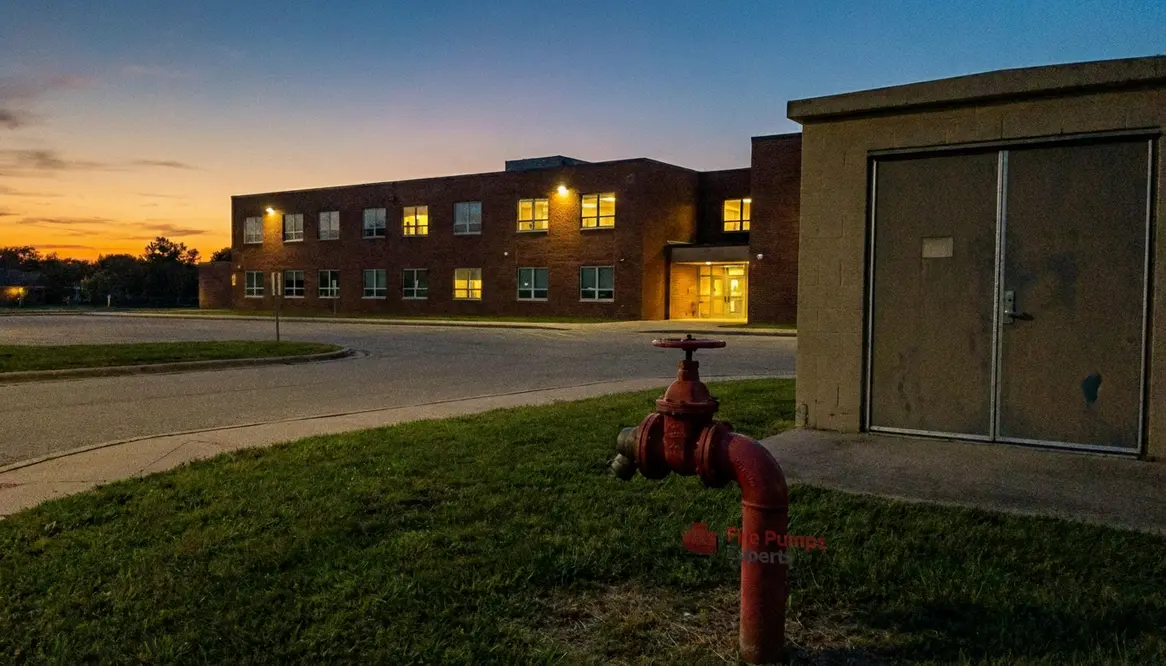
Fire Pump Systems for Middle Schools K to 8 Guide
I have spent years walking through school campuses that hum with energy by day and fall quiet by dusk. Beneath that rhythm, however, lies a system that never sleeps. When I talk about Fire Pump Systems for Middle Schools, I am not just talking about equipment. I am talking about reliability, timing, and trust. On a K to 8 campus, where buildings vary in size and age, planning a fire pump system becomes less about theory and more about precision. And yes, it can feel a bit like assembling the Avengers. Every part has a role, and if one fails, well… things get cinematic in the worst way.
Understanding the Stakes on K to 8 Campuses
First, I always ground the conversation in reality. Schools are not standard commercial spaces. They are dynamic environments with classrooms, gyms, cafeterias, and sometimes multi story wings. Because of that, water demand fluctuates. Therefore, the fire pump must respond instantly and consistently.
Moreover, code compliance is only the starting line. While regulations guide design, real world performance determines safety. I often remind clients that a properly planned fire pump system for educational facilities is not about passing inspection. It is about ensuring that every sprinkler head receives adequate pressure when it matters most.
And yes, kids will pull fire alarms for fun. The system still needs to behave like it is the real deal every single time.
Fire Pump Systems for Middle Schools and Campus Layout Strategy
When I evaluate a campus, I begin with layout. Buildings spread across large properties create unique hydraulic challenges. Therefore, I map out elevation changes, pipe distances, and potential pressure loss before selecting any equipment.
Additionally, I consider future expansion. Schools grow. Portable classrooms turn into permanent structures. Consequently, a fire pump system that works today must also support tomorrow.
Key Planning Factors
- Water supply reliability
- Distance between buildings
- Elevation differences
- Peak demand scenarios
Design Priorities
- Consistent pressure delivery
- Redundancy for critical zones
- Ease of maintenance access
- Scalability for future growth
At this stage, I am not guessing. I am calculating. Because when water needs to move, hesitation is not an option.
Choosing the Right Pump and Power Setup
Matching pump performance to the campus
Now we get into the heart of the system. Selecting the right pump is not about picking the biggest unit on the shelf. Instead, I match the pump curve to the system demand profile. That means understanding flow rates, pressure requirements, and duration.
Power options that do not quit
Electric pumps are often preferred for their efficiency. However, diesel pumps provide reliability when power fails. Therefore, many K to 8 campuses benefit from a hybrid approach or backup power integration.
And let me be honest. Power outages never schedule themselves at convenient times. They tend to show up like an uninvited guest right when you need everything to work perfectly.
Controllers and response time
Furthermore, I pay close attention to controller systems. A responsive controller ensures the pump activates without delay. In fire protection, seconds matter. Not in a dramatic movie countdown way, but in a very real, very measurable way.
How do I ensure compliance and performance at the same time
I treat compliance as the foundation, not the ceiling. Codes define minimum requirements, but performance defines success. Therefore, I go beyond basic standards by testing scenarios that simulate real fire conditions.
For example, I evaluate simultaneous sprinkler activation across multiple zones. Additionally, I review pressure drops during peak usage. This approach ensures the fire pump system for school campuses performs under stress, not just on paper.
Also, coordination with local authorities plays a key role. Early collaboration prevents costly redesigns later. And trust me, no one enjoys revisiting a finished installation because something was overlooked.
Maintenance Planning That Actually Works
A well designed system means very little without consistent maintenance. Therefore, I build maintenance access and monitoring into the initial design. This includes clear pump room layouts, accessible valves, and straightforward testing points.
Moreover, I recommend scheduled testing that aligns with school operations. Early morning or off hour testing reduces disruption while keeping the system ready.
And here is a small truth. The best fire pump system is the one you forget about because it simply works. No drama. No surprises. Just quiet reliability.
Fire Pump Systems for Middle Schools in Real World Operation
Once installed, the system becomes part of the campus ecosystem. It interacts with alarms, sprinklers, and water supply infrastructure. Therefore, integration matters just as much as design.
I always ensure that communication between components is seamless. When a sprinkler activates, the pump responds instantly. When pressure drops, the system compensates. This coordination turns separate parts into a unified defense system.
And while students focus on math tests and lunch schedules, the system stands ready. Quietly. Consistently. Like a good stage crew, it never seeks attention but delivers when the spotlight hits.
Well designed Fire Pump Systems for Middle Schools sit in the background of everyday campus life, yet they frame every emergency plan, evacuation drill, and sprinkling test with a layer of dependable protection.
FAQ
Conclusion
Planning a fire pump system for a K to 8 campus is not just a technical task. It is a commitment to safety, performance, and long term reliability. If you are managing a large educational or commercial property, now is the time to evaluate your system. Visit https://firepumps.org and connect with experts who understand complex facilities. Because when it comes to protection, good enough is never good enough.