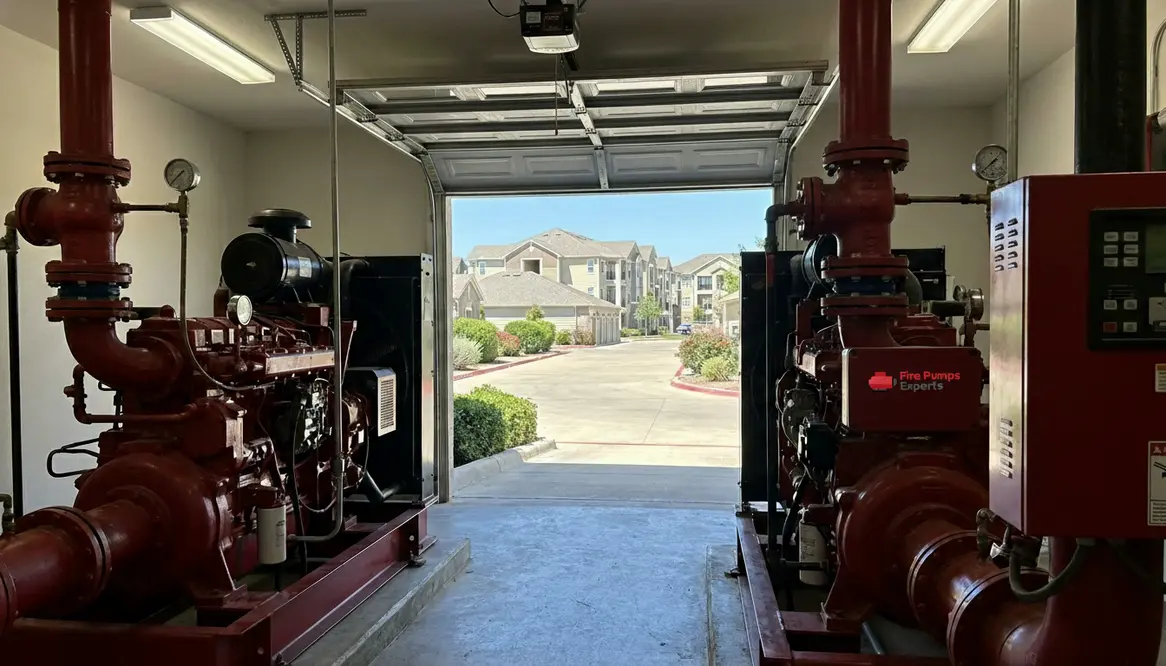
Multi Building Residential Fire Pump Systems Guide
I have walked through enough master planned communities to know one truth. Safety is never an accident. It is designed, layered, and quietly working in the background. When I talk about fire safety in these large scale environments, I always come back to one essential piece: multi building residential fire pump systems. These systems do not shout for attention, yet they stand ready like a seasoned actor waiting for their cue. And when that moment comes, they perform without hesitation. Think of them as the unsung heroes, narrating the scene while everything else unfolds.
Why Fire Safety Planning Matters in Large Scale Communities
Master planned developments are impressive. Wide roads, shared amenities, clusters of buildings working together like a well rehearsed orchestra. However, with that scale comes complexity. Fire does not care about property lines or architectural awards. It moves fast, and therefore, planning must move faster.
Because of this, I always stress layered protection. Detection systems, suppression systems, and strong water delivery must work together. Otherwise, you end up with a beautiful community that is vulnerable behind the scenes. And let us be honest, no one wants their luxury property making headlines for the wrong reason.
The Quiet Role Of Water Infrastructure
Behind every polished streetscape is a network of pipes, valves, and pumps that never make the brochure but decide how bad a bad day can get. The smarter the planning, the less dramatic the emergency feels. That is the real test of design in large communities.
How Do multi building residential fire pump systems Support Community Wide Safety?
In simple terms, they keep water moving when it matters most. In large properties, relying on standard municipal pressure is like expecting a garden hose to put out a bonfire. It is optimistic at best.
So, I rely on centralized fire pump solutions that push water across multiple structures. These systems ensure consistent pressure, even during peak demand. More importantly, they provide reliability when several buildings may need protection at once. It is not just about power. It is about coordination.
And yes, while it may not sound glamorous, this is the backbone of real fire protection. No drama, just performance.
Hydraulic Reach
In sprawling sites, distance is the enemy of pressure. multi building residential fire pump systems are designed so that the building farthest from the pump room still gets the pressure it needs when sprinklers open and hydrants are flowing.
Coordinated Demand
In a real emergency, it is rarely just one riser flowing. Several buildings may need support together. Proper design anticipates that combined demand instead of pretending each structure lives in its own little world.
Designing Fire Protection That Actually Works
I have seen plans that look great on paper but fall apart in practice. Therefore, I approach design with one question in mind. Will this system still work under stress?
First, I consider layout. Buildings are often spread out, which means water delivery must travel efficiently. Then, I look at redundancy. If one component fails, another must take over without delay. Finally, I focus on integration. Fire alarms, sprinklers, and pumps must communicate seamlessly.
As a result, the entire system behaves like a single unit instead of scattered parts. And that is the difference between response and chaos.
What I Prioritize
I prioritize reliability over flash. Strong pump capacity, clear zoning, and proper testing schedules make the biggest impact. Also, I ensure systems meet commercial and industrial standards, since large scale properties demand that level of performance.
What I Avoid
I avoid cutting corners on infrastructure. Undersized pumps, poor layout planning, or delayed maintenance often lead to costly failures. And trust me, fire safety is not the place for budget shortcuts.
Common Gaps I See in Master Planned Developments
Even well designed communities can miss the mark. Sometimes, developers focus heavily on aesthetics and overlook the invisible systems. It happens more often than people admit.
For instance, I often see insufficient pressure coverage in outer buildings. In other cases, systems are installed but not maintained. That is like buying a top tier security system and never turning it on. Looks impressive, does nothing.
Moreover, coordination between buildings can be weak. Without a unified approach, each structure becomes isolated, and that weakens the entire network. Fire safety should never feel like a collection of solo acts. It needs to perform like a band that actually rehearsed.
Where multi building residential fire pump systems Fill The Gaps
When designed properly, these systems knit separate buildings into a single protection strategy. Shared pumps, intelligently zoned valves, and pressure balanced loops mean the farthest townhouse and the flagship clubhouse get the same engineered level of safety.
multi building residential fire pump systems and Long Term Performance
Installing a system is only the beginning. What matters is how it performs over time. I always tell clients that consistency beats complexity.
Routine testing ensures pumps activate correctly. Monitoring systems provide real time insights. And preventive maintenance keeps everything running smoothly. As a result, there are no surprises when pressure is needed most.
Also, I recommend working with providers who understand large scale commercial and industrial environments. These are not small properties, and they should not be treated like one. Experience matters here.
Testing, Monitoring, And Maintenance Rhythm
- Weekly churn tests to confirm pump start and basic performance
- Monthly more detailed runs under flow where applicable
- Annual full inspections tied into the wider life safety review
- Digital monitoring that flags abnormal events long before an emergency
Handled properly, multi building residential fire pump systems age more like infrastructure than equipment: predictable, dependable, and quietly doing their job in the background.
Frequently Asked Questions
Closing Thoughts and Next Steps
Fire safety is not something I leave to chance, and neither should you. When you invest in the right infrastructure, especially systems built for large scale properties, you protect more than buildings. You protect people, operations, and peace of mind.
If you are planning or upgrading a community, now is the time to act. Work with experts who understand the stakes and can deliver systems that perform when it matters most. Because in this story, preparation is the real hero. For a deeper technical starting point, resources such as https://firepumps.org can help frame the right questions before design ever begins.