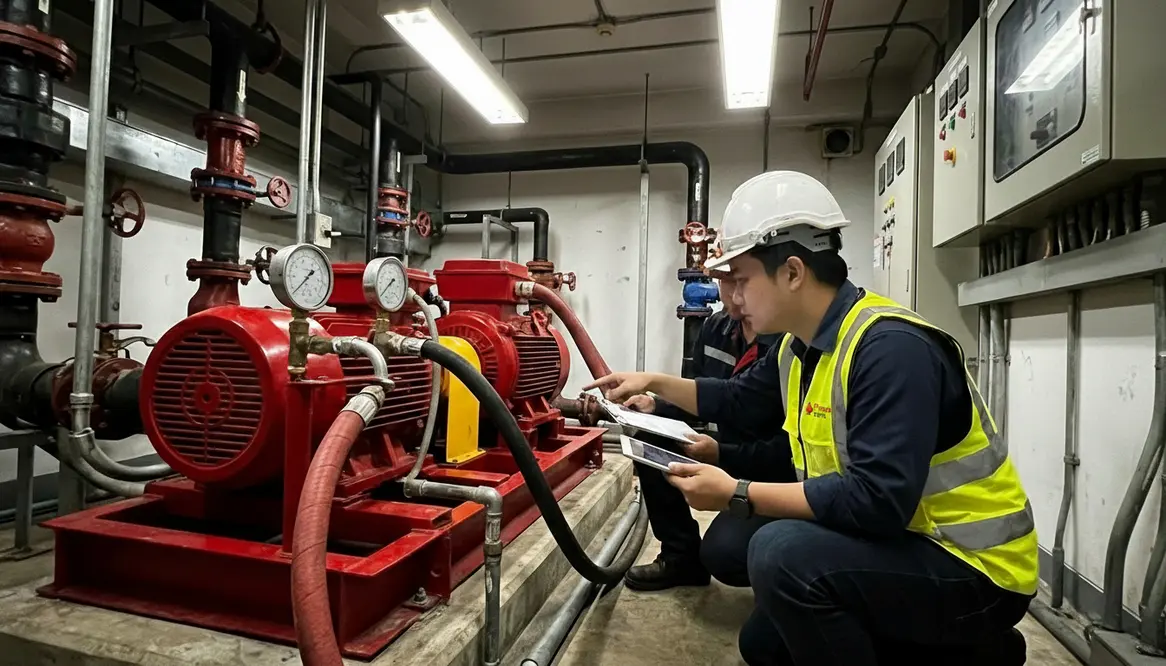
Fire Pump Testing Cost Guide for Commercial Buildings
I have spent enough time around mechanical rooms to know one thing for certain. Nothing wakes up a building owner faster than a failed fire pump test. And right behind that realization comes the question about fire pump testing cost. It is not just about a price tag. It is about reliability, compliance, and frankly, sleeping better at night knowing your system will not fold like a lawn chair in a real emergency.
So let me walk you through it in a way that feels less like a dry manual and more like a conversation you would actually stay awake for.
What Drives Fire Pump Testing Cost in Commercial Buildings
Let’s get straight to it. The cost is shaped by several moving parts, and yes, they all matter. First, the size and type of your fire pump system sets the stage. A high rise with a diesel driven pump is not playing in the same league as a small electric setup.
Then, there is the frequency of testing. Annual flow tests, weekly churn tests, and periodic inspections all stack together. Moreover, labor plays a big role. Skilled technicians are not pulled out of a vending machine. They bring expertise, and that expertise costs money.
Finally, accessibility can quietly raise the bill. If your pump room feels like a hidden level in a video game, expect more time and effort. And yes, more cost.
In short, the price reflects complexity, not randomness.
How Much Should I Expect to Pay for Fire Pump Testing Cost
I will not dance around it. For most commercial and industrial facilities, the price typically ranges from a few hundred to several thousand dollars per test. That is a wide range, but it is honest.
However, here is where nuance matters. A standard annual test with proper flow conditions and reporting will cost more than a basic inspection. Additionally, facilities that require detailed compliance documentation or coordination with local authorities often see higher pricing.
On the flip side, well maintained systems tend to cost less to test over time. Think of it like a car. Regular oil changes cost less than replacing an engine. Same logic, fewer regrets.
Where Your Money Actually Goes During Testing
Labor and Expertise
Technicians inspect, test, and verify system performance. They are trained to catch issues before they become disasters.
Equipment and Tools
Flow meters, gauges, and testing equipment are not cheap. Accurate readings require reliable tools.
Compliance Documentation
Reports are generated to meet fire codes and insurance requirements. These documents protect you legally.
System Adjustments
Minor tweaks and calibrations often happen during testing to keep everything within proper range.
So when you look at the bill, you are not just paying for someone to flip a switch. You are investing in precision, safety, and compliance.
Why Skipping Testing Costs More Than Paying for It
I have seen this play out more times than I care to admit. Someone tries to save money by delaying testing, and then suddenly, a failed inspection or system breakdown hits like a plot twist nobody wanted.
Repairs after neglect are expensive. Fines for non compliance are worse. And if an incident occurs, the financial and legal consequences can feel like something out of a courtroom drama.
On the other hand, routine testing keeps surprises to a minimum. It is predictable. Controlled. Almost boring. And in this line of work, boring is exactly what you want.
If you want a deeper look into standards and best practices, I recommend reviewing guidance from fire pump testing and maintenance experts who focus on large scale commercial systems.
How I Keep Fire Pump Testing Cost Efficient Without Cutting Corners
I like efficiency, but I do not gamble with safety. There is a difference.
First, I schedule testing consistently. This prevents last minute rush jobs, which tend to cost more. Next, I keep detailed maintenance records. Technicians work faster when they know the system history.
Also, I address small issues early. A worn valve today is cheaper than a failed component tomorrow. And finally, I work with experienced providers who understand large facilities. That expertise pays for itself over time.
Think of it as playing chess instead of checkers. A little planning goes a long way.
Fire Pump Testing Cost FAQs
Final Thoughts and Next Steps
I see fire pump testing as a quiet investment that speaks loudly when it matters most. If you manage a commercial or industrial facility, now is the time to take control of your system performance and budgeting. Get ahead of problems, stay compliant, and avoid costly surprises. Reach out to a qualified provider, schedule your next test, and turn uncertainty into confidence. Your building deserves nothing less.