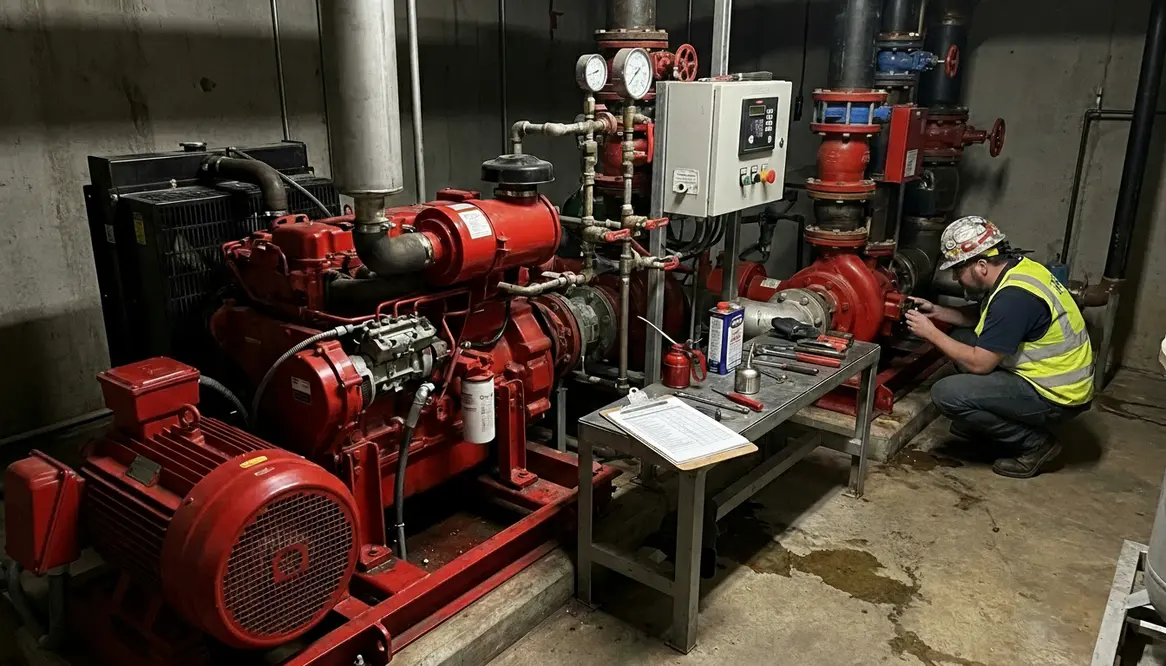
Fire Pump Maintenance Cost Guide for Facilities
I have spent enough time around mechanical rooms to know one thing for sure. Nothing wakes you up faster than a fire pump that refuses to cooperate. And when we start talking about fire pump maintenance cost, the conversation usually gets quiet, like someone just mentioned spoilers for a movie no one has seen yet. Still, understanding these costs is not just about budgets. It is about keeping commercial and industrial buildings safe, compliant, and ready when it matters most.
What Drives Fire Pump Maintenance Cost in Large Facilities
Let me get straight to it. The price you pay depends on several moving parts, and yes, they all matter. First, the type of pump system sets the tone. Electric, diesel, or turbine systems each bring their own service needs. Naturally, diesel systems tend to cost more because they involve engines, fuel systems, and emissions checks.
Then there is frequency. Weekly churn tests, monthly inspections, and annual full flow tests all stack up. However, skipping them is like ignoring oil changes in your car. It works until it really does not.
Labor also plays a role. Certified technicians are not optional in commercial environments. They are required. Moreover, parts replacement adds another layer. Seals, bearings, controllers, and valves wear down over time, and they do not send polite reminders.
Finally, compliance requirements influence everything. Standards from NFPA are strict, and for good reason. If you want a deeper look at professional servicing expectations, I recommend checking out certified fire pump service for commercial systems.
How Much Should I Budget Annually
Here is the question I hear most often, usually followed by a long pause.
For most commercial and industrial properties, annual maintenance typically lands between a few thousand dollars and well into five figures. Yes, that is a wide range, but let me explain.
Smaller systems in straightforward setups cost less. Meanwhile, large facilities with multiple pumps, backup systems, and complex layouts naturally require more time and expertise. Additionally, if your building runs 24 7 operations, expect more wear and higher service frequency.
Think of it like hiring a security team. You are not just paying for presence. You are paying for readiness, precision, and the ability to act instantly. Keeping a realistic view of fire pump maintenance cost up front makes those budget talks much less painful later.
Breaking Down the Real Expenses
Now, let us peel back the curtain a bit. Costs are not random. They follow a pattern.
Routine Services
- Weekly and monthly inspections
- Controller testing
- Battery checks for diesel units
- Lubrication and calibration
Occasional Costs
- Annual flow testing
- Component replacement
- Emergency repairs
- System upgrades for compliance
While routine services feel predictable, occasional costs are where budgets can get ambushed. One failed controller or worn impeller can quickly turn a calm day into a finance meeting.
That said, proactive maintenance almost always costs less than reactive repairs. It is the difference between scheduling a dentist visit and needing a root canal on a holiday weekend. The smart move is to view every recurring invoice as insurance that keeps long term fire pump maintenance cost from spiraling.
Ways I Keep Fire Pump Maintenance Cost Under Control
I like to think of maintenance as storytelling. Every inspection tells you what the system has been through and what it needs next. If you listen carefully, you spend less over time.
First, I stick to a strict maintenance schedule. Consistency prevents small issues from becoming expensive ones. Then, I work with specialists who focus on commercial and industrial systems. General service providers often miss details that matter in high demand environments.
Next, I track performance data. Pressure levels, start times, and flow rates all reveal patterns. When something shifts, I act early.
Also, I invest in training for on site teams. Even basic awareness can prevent misuse or delayed reporting. And trust me, catching a strange noise early beats explaining a full system failure later.
Finally, I plan for replacements. Nothing lasts forever, not even the best equipment. Setting aside a reserve fund smooths out those inevitable upgrades. Over time, that planning turns fire pump maintenance cost from a surprise into a known, manageable line item.
Why Skipping Maintenance Costs More Than You Think
This is where things get real. Ignoring maintenance does not save money. It simply delays the bill and adds interest.
Without proper care, pumps lose efficiency. Components wear unevenly. Systems fail tests. And when inspections come around, compliance issues can lead to fines or even shutdowns.
Worse, in an emergency, failure is not just inconvenient. It is dangerous. Fire protection systems exist for the worst day, not the average one.
I have seen facilities treat maintenance like an optional subscription. That mindset usually changes the moment something goes wrong. Unfortunately, by then, the costs are no longer negotiable, and the true fire pump maintenance cost shows up with interest, urgency, and paperwork.
FAQ About Fire Pump Maintenance Cost
Final Thoughts and Next Steps
If you manage a commercial or industrial property, do not treat your fire pump like background noise. Pay attention, invest wisely, and partner with experts who understand these systems inside and out. A well maintained system protects lives, assets, and your peace of mind. If you are ready to take control of your maintenance strategy, now is the time to act before small issues become very expensive stories and before fire pump maintenance cost becomes the punchline to a budget meeting you would rather forget.