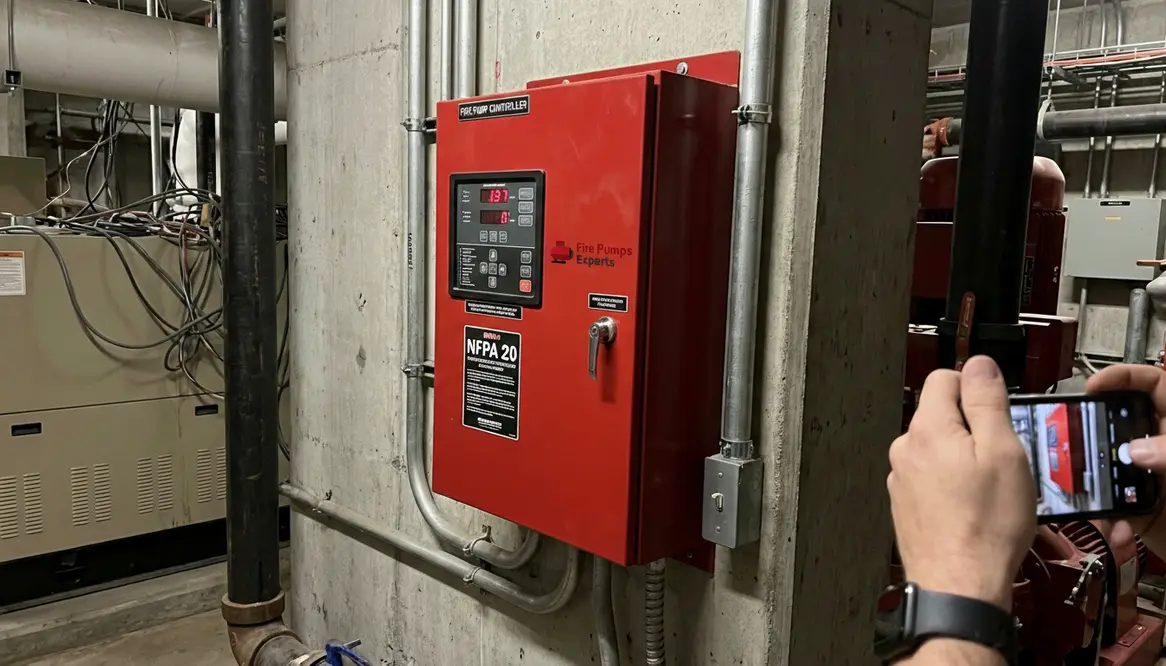
Fire Pump Controller Cost Guide for Commercial Buildings
I have spent enough time around mechanical rooms to know one thing for certain: nothing in a building whispers “ignore me” louder than a fire pump system… right up until the moment it absolutely refuses to be ignored. And that brings us to a question I hear often, usually right after someone sees a quote and raises an eyebrow: what exactly drives fire pump controller cost? The answer is not just a number. It is a story of safety, compliance, and a bit of electrical wizardry that would make even Tony Stark nod in approval.
What Drives Fire Pump Controller Cost in Commercial Buildings?
Let me get straight to it. The price is shaped by three main forces: complexity, compliance, and customization. First, complexity. A simple across the line controller costs far less than a variable frequency drive unit, which behaves more like a smart system than a switch.
Next, compliance plays a big role. Standards like NFPA 20 are not suggestions. They are law in most jurisdictions. As a result, manufacturers build controllers to meet strict testing and durability benchmarks. That adds cost, but it also ensures the system works when everything else fails.
Finally, customization enters the scene. Large commercial towers, hospitals, and industrial plants rarely accept off the shelf solutions. Instead, they require tailored enclosures, advanced monitoring, and integration with building systems. And yes, each added feature nudges the price upward.
So while the number may seem high at first glance, it reflects layers of engineering designed to perform under pressure. Literally. That is why understanding the real drivers behind fire pump controller cost helps keep expectations grounded and decisions smarter.
Breaking Down the Price Components
Core equipment and installation
Core equipment covers the controller itself, including contactors, circuit breakers, and logic systems. Then comes installation, which often involves skilled electricians, permits, and coordination with fire protection teams.
For many projects, this is where a large share of the fire pump controller cost appears, because labor, access constraints, and shutdown coordination can be just as demanding as the hardware itself.
Testing, commissioning, and maintenance
After that, testing and commissioning ensures everything performs exactly as required. This is not a plug and play situation. It is more like a dress rehearsal for an emergency that everyone hopes never happens.
And finally, long term maintenance quietly adds to the total investment. Regular inspections and servicing keep the system ready. Skipping this part is like buying a luxury car and never changing the oil. It might run… until it really does not.
Comparing Controller Types Side by Side
Standard controllers
Standard Controllers
Lower upfront cost, straightforward operation, ideal for facilities with stable power supply.
Variable frequency drive controllers
Variable Frequency Drive Controllers
Higher price, smoother motor control, energy efficiency, better suited for large scale commercial or industrial systems.
In other words, one is your reliable pickup truck, while the other feels more like a high end electric vehicle. Both get you there, but the ride is very different. Choosing between them is a big lever in overall fire pump controller cost, especially for large campuses and high rise portfolios.
How Much Should I Budget for Fire Pump Controller Cost?
If you want a realistic range, I usually tell clients to expect anywhere from several thousand dollars to well into the five figure range. However, that is only the starting point. The final number depends on system size, building requirements, and integration needs.
For example, a high rise office tower with redundancy requirements and advanced monitoring will land on the higher end. Meanwhile, a mid sized industrial facility with a simpler setup may stay closer to the lower range.
Additionally, location matters. Labor costs, local codes, and inspection requirements all influence the final figure. So while estimates help, a detailed assessment always gives the clearest picture, especially when fire pump controller cost needs to be justified to owners who only see a line item, not the risk behind it.
Why Cutting Costs Here Is a Bad Idea
I understand the temptation. Budgets are tight, and every line item gets scrutiny. However, this is one area where going cheap can backfire quickly.
A poorly designed or undersized controller can lead to system failure, compliance issues, or worse, liability risks. And trust me, explaining that decision after an incident is not a conversation anyone wants to have.
Instead, I always recommend working with specialists who understand large scale systems. Resources like commercial fire pump system experts provide guidance tailored to industrial and major property needs. That expertise often saves money in the long run by avoiding costly mistakes.
Think of it this way. You are not just buying equipment. You are investing in reliability when it matters most. The true fire pump controller cost is not only what you pay today, but what you avoid paying in downtime, damage, and legal trouble when the system is called on to perform.
Planning Ahead for Long Term Value
Here is where smart planning pays off. When I approach a project, I look beyond the initial purchase. I consider lifecycle costs, efficiency, and scalability.
For instance, a more advanced controller may cost more upfront. However, it can reduce energy consumption and wear on the pump over time. That means fewer repairs and lower operating costs.
Also, integrating the controller with building management systems allows real time monitoring. That visibility helps teams respond faster and maintain compliance with less effort.
So while the sticker price matters, the long term value tells the real story. When those lifecycle benefits are added up, the perceived fire pump controller cost often looks far more reasonable, especially compared to the cost of emergency repairs or unplanned retrofits later.
FAQ
Final Thoughts and Next Steps
When I look at fire protection systems, I see more than equipment. I see a safeguard that stands quietly in the background, ready to act when everything else goes wrong. Investing wisely in the right controller ensures that readiness never falters. If you are planning a project or upgrading an existing system, now is the time to consult experts, review your needs, and make a decision that protects both property and people for years to come. Keep the real fire pump controller cost in view: not just what you spend today, but the resilience you are buying for every future emergency test your building might face.