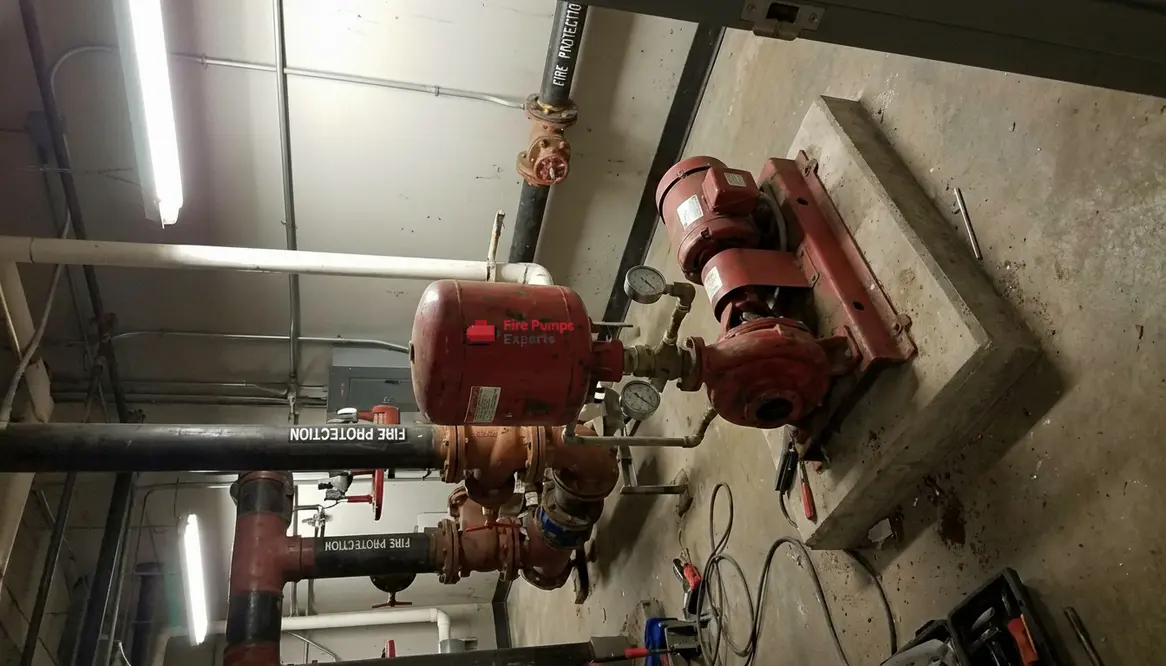
Jockey Pump Replacement Cost Guide for Commercial Systems
I have seen a lot of machinery in my time, but few systems carry the quiet responsibility of a fire protection setup. Tucked away, often overlooked, the jockey pump plays its role without applause. And yet, when it falters, the question arrives quickly and with purpose: what is the jockey pump replacement cost? In large commercial and industrial facilities, that number is not just a line item. It is a decision that affects safety, compliance, and long term reliability. So let me walk you through it, calmly and clearly, with just enough honesty to keep things interesting.
Understanding Jockey Pump Replacement Cost in Commercial Systems
The cost to replace a jockey pump in a commercial fire protection system usually falls between 3,000 and 15,000 dollars. However, that range is about as precise as saying “somewhere between a bicycle and a spaceship.” It depends on horsepower, system pressure, controller upgrades, and labor complexity.
In high rise buildings or industrial plants, the stakes are higher. Therefore, engineers often specify more robust pumps with precise pressure controls. As a result, pricing climbs. Additionally, installation in tight mechanical rooms or older infrastructure can increase labor time. And labor, as we all know, rarely works for free.
Still, when I compare that cost to the price of system failure, it starts to look less like an expense and more like a wise investment.
What Factors Drive the Price Up or Down
Now, let us peel back the layers. Because the real story lives in the details.
Equipment Size and Specs
A higher horsepower jockey pump designed for large scale facilities will naturally cost more. It needs to maintain pressure across expansive piping networks without breaking a sweat.
Control Panel Integration
Modern systems often require updated controllers. If your current setup belongs in a museum next to floppy disks, expect an upgrade.
Brand and Compliance
UL listed and NFPA compliant equipment comes at a premium. However, skipping those standards is like bringing a water gun to a five alarm fire.
Installation Complexity
If technicians need to navigate tight spaces or retrofit older systems, labor costs rise. And yes, gravity and awkward piping layouts always seem to win.
Location and Accessibility
Urban facilities with limited access points may require more planning and time. Time, once again, equals cost.
Testing and Commissioning
After installation, the system must be tested thoroughly. This ensures it performs exactly when needed, not just when someone is watching.
When Should I Replace My Jockey Pump
I like to think of a jockey pump as the quiet guardian of system pressure. When it starts to fail, it does not always shout. Sometimes it whispers.
Common signs include frequent cycling, inability to maintain pressure, or unusual noise. If your pump sounds like it is auditioning for a horror movie soundtrack, it is time to pay attention. Moreover, aging equipment that struggles to meet current standards should not be left to chance.
In commercial properties, proactive replacement often saves more money than reactive repairs. Because when a fire system fails during an emergency, the consequences extend far beyond repair bills.
Breaking Down Labor and Installation Costs
Labor typically accounts for 30 to 50 percent of the total project. Skilled technicians must disconnect the old unit, install the new pump, align it correctly, and integrate it with the system.
Additionally, facilities may need temporary shutdowns or coordination with fire watch services. Therefore, planning becomes essential. I have seen projects run smoothly like a well directed film, and others that felt more like improvisational comedy. The difference usually comes down to preparation.
Working with experienced contractors who specialize in large scale fire systems makes a measurable difference. For those managing complex properties, exploring commercial fire pump system services can provide valuable guidance and ensure compliance with strict codes.
How to Control Jockey Pump Replacement Cost Without Cutting Corners
Saving money is important. Cutting the wrong corner is not. Fortunately, there are ways to keep costs reasonable without compromising performance.
First, schedule regular maintenance. A well maintained system extends equipment life and allows for planned replacements instead of emergency ones. Secondly, standardize components where possible. This simplifies future servicing and reduces part costs.
Also, work with professionals who understand commercial and industrial systems. They can recommend properly sized pumps rather than oversized units that drain both energy and budget.
And finally, think long term. A slightly higher upfront investment in quality equipment often reduces lifecycle costs. In other words, spend smart now so you do not spend twice later. When you understand the real drivers behind jockey pump replacement cost and plan ahead, the entire process becomes far more predictable.
FAQ: Quick Answers About Jockey Pump Replacement
Below are some common questions that come up when facility teams start budgeting and planning around jockey pump replacement cost in commercial environments.
Final Thoughts and Next Steps
In the end, understanding the jockey pump replacement cost is about more than numbers. It is about reliability, safety, and peace of mind in buildings that cannot afford uncertainty. If your system shows signs of wear or inefficiency, now is the time to act. Connect with experienced professionals, evaluate your setup, and make a decision that protects both your property and the people inside it. Because when it comes to fire protection, hesitation is the most expensive choice of all. When you take the time to plan, budget accurately around jockey pump replacement cost, and choose quality equipment, you turn a necessary expense into a long term asset for your facility.