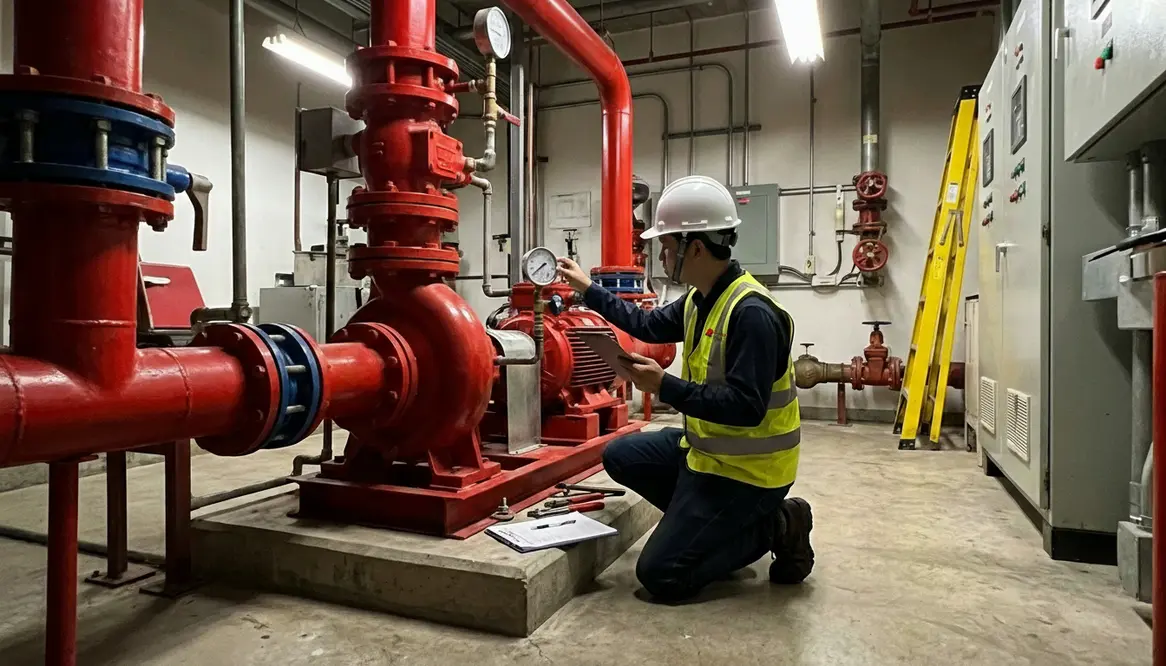
Fire Pump Inspection Cost Guide for Commercial Sites
I have spent enough time around commercial buildings to know one simple truth. Fire protection is never the place to cut corners. And yet, one of the first questions I always hear is about fire pump inspection cost. It makes sense. Budgets matter. However, the real story goes deeper than a price tag. It is about reliability, compliance, and the quiet confidence that everything will work when it matters most. So let me walk you through it, calmly and clearly, with just enough wit to keep you awake.
Understanding Fire Pump Inspection Cost in Commercial Buildings
When I talk about inspection pricing with facility managers, I like to frame it this way. You are not paying for someone to glance at a pump and nod thoughtfully. You are investing in a detailed process that confirms your system can perform under pressure. Literally.
Typically, the fire pump inspection cost for large commercial or industrial properties depends on system size, pump type, and testing requirements. For example, a high rise with multiple pumps and backup systems will naturally cost more than a single pump setup in a mid sized facility.
Moreover, inspections often include flow testing, controller checks, and verification of alarms. Each step takes time, expertise, and specialized equipment. And yes, that expertise is what keeps your building from turning into a very expensive bonfire scene straight out of an action movie.
What Actually Drives the Price Up or Down
Now, let us break down what really moves the needle. Because not all inspection costs are created equal.
System complexity plays a major role. A diesel driven pump with multiple controllers requires more attention than a simple electric unit. Additionally, buildings with layered fire protection systems demand more coordination.
Testing frequency also matters. Weekly churn tests, monthly inspections, and annual flow tests each come with different levels of involvement. Naturally, the more comprehensive the testing schedule, the higher the annual cost.
Accessibility can quietly influence pricing too. If your pump room feels like a hidden level in a video game, technicians will need extra time just to get set up.
Finally, compliance requirements vary by jurisdiction. Some areas require more detailed reporting, which adds to the overall inspection expense. It is not glamorous paperwork, but it keeps inspectors and insurance providers happy. And trust me, you want them happy.
How I Compare Fire Pump Inspection Cost Across Providers
I never recommend choosing a provider based on price alone. That is like choosing a parachute because it was on sale. Instead, I focus on value.
What I Look For
- Experience with large scale systems
- Clear reporting and documentation
- Fast response times
- Knowledge of local codes
What I Avoid
- Vague pricing structures
- Minimal inspection details
- Lack of certifications
- Slow communication
Additionally, I always recommend reviewing resources like commercial fire pump inspection standards to understand what a proper inspection should include. It helps you spot the difference between a thorough job and a rushed one.
Why Cutting Costs Here Can Backfire Fast
I get it. Budgets are tight. However, cutting corners on inspections often leads to bigger problems. And by bigger, I mean system failures, failed audits, or worse, real emergencies where the pump does not perform.
For commercial and industrial facilities, downtime is expensive. Liability is even more expensive. A poorly maintained fire pump can result in fines, insurance issues, and operational disruptions.
On the other hand, a well maintained system quietly does its job in the background. No drama. No surprises. Just reliable protection. Kind of like that one employee who never calls in sick and somehow fixes everything.
What Should I Expect During an Inspection?
Good question. And I will answer it plainly.
During a proper inspection, technicians will test pump performance, check pressure levels, inspect valves, and verify that controllers respond correctly. They will also review fuel levels for diesel pumps and ensure alarms function as expected.
Afterward, you should receive a detailed report outlining findings, deficiencies, and recommended actions. If your report feels like it was written on a napkin, that is a red flag.
Planning Ahead to Control Long Term Costs
Here is where strategy comes into play. Instead of reacting to issues, I always advise planning inspections as part of a long term maintenance program.
Regular inspections help catch small issues early. A minor pressure drop today can become a major repair tomorrow. By staying ahead, you stabilize your overall fire pump inspection cost and avoid unexpected spikes.
Additionally, working with a consistent service provider builds familiarity with your system. That familiarity translates into faster inspections and more accurate diagnostics over time.
FAQ About Fire Pump Inspections
Final Thoughts and Next Steps
If you manage a commercial or industrial facility, do not treat inspections as a checkbox exercise. Treat them as an investment in safety and continuity. The right partner will help you manage your fire pump inspection cost while ensuring full compliance and reliability. Take the time to choose wisely, schedule consistently, and stay ahead of problems. Because when it comes to fire protection, peace of mind is worth every penny.