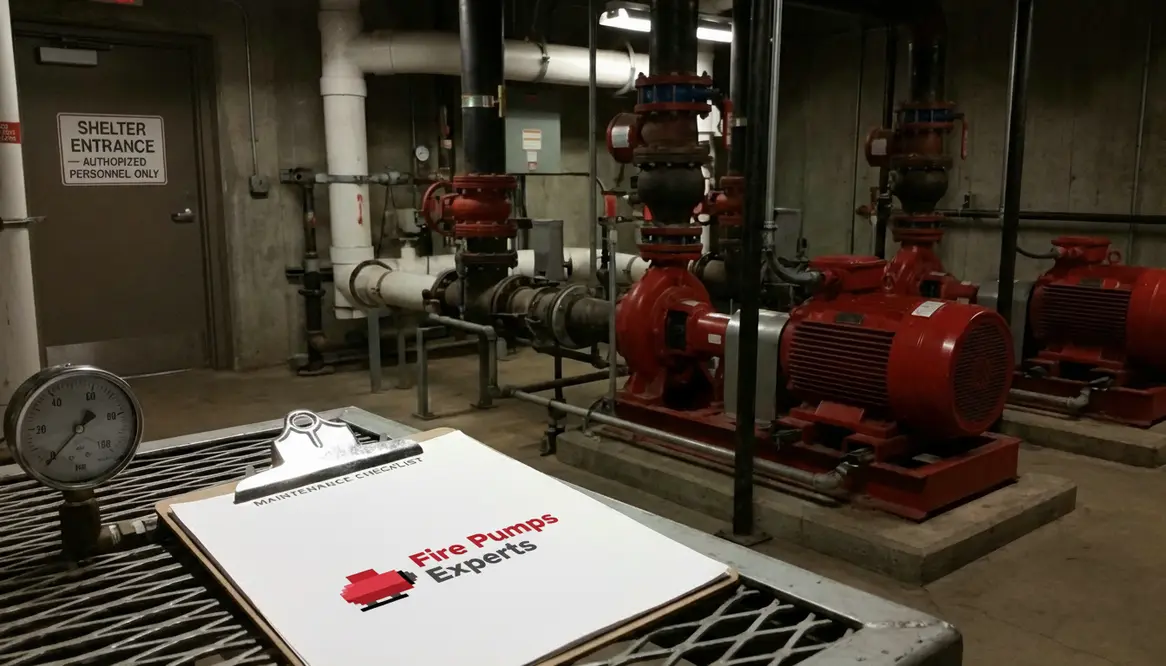
Fire Pump Requirements for Community Shelters
I have spent enough time around large facilities to know one thing for certain. When trouble shows up, it rarely knocks first. That is exactly why Fire Pump Requirements for Community Shelters deserve serious attention in emergency response housing. These are not ordinary buildings. They are designed to protect people when everything else is falling apart. So, the fire protection systems inside them need to perform like seasoned first responders, calm under pressure and ready at a moment’s notice. And yes, much like a good action movie hero, they should never miss their cue.
Why Emergency Response Housing Demands a Higher Standard
Emergency response housing in large commercial and industrial properties carries a unique burden. These spaces often support staff, displaced personnel, or coordinated response teams during crises. Therefore, fire protection cannot be an afterthought.
In my experience, these facilities operate under tighter timelines and higher occupancy variability. Because of that, fire risks shift quickly. One day the building is half full. The next, it is packed with essential personnel. Consequently, systems must scale without hesitation.
Moreover, compliance with fire pump standards for shelter environments ensures water supply remains steady even when municipal systems fail. And let’s be honest, if the city water line decides to take a vacation during an emergency, that is not the kind of surprise anyone enjoys.
What Makes Fire Pump Systems Critical in These Facilities
Fire pumps act as the backbone of suppression systems in large scale properties. Without them, sprinklers are just expensive decorations. With them, they become life saving tools.
I always emphasize that proper pump selection is not about checking a box. Instead, it is about matching capacity to risk. For emergency housing inside commercial complexes, this means accounting for extended operation times, fluctuating demand, and redundancy.
Additionally, adherence to Fire Pump Requirements for Community Shelters ensures consistent pressure across all zones. That matters because uneven pressure can leave parts of a building vulnerable. And vulnerability, in this context, is not something we can afford.
Designing Systems That Think Ahead
Good design does not react. It anticipates. When I look at emergency response housing, I focus on how systems behave under stress.
For instance, dual power sources are essential. If one fails, the other takes over seamlessly. Likewise, pump rooms must be protected against flooding, heat, and structural damage. Otherwise, you risk losing your entire fire suppression capability at the exact moment you need it most.
Furthermore, integrating smart monitoring adds another layer of confidence. Real time alerts allow facility managers to act before a minor issue becomes a major failure. It is a bit like having a smoke detector that actually texts you before things get dramatic. Technology has its perks.
How Do I Ensure Compliance with Fire Pump Requirements for Community Shelters
I approach compliance as a continuous process rather than a one time task. First, I align system specifications with national and local codes that govern large commercial properties. Then, I verify that installation meets those standards down to the smallest detail.
However, compliance does not stop at installation. Regular testing and maintenance play a crucial role. Weekly churn tests, monthly inspections, and annual performance evaluations keep systems ready.
In addition, documentation matters more than most people realize. Clear records not only support audits but also provide insight into system health over time. And if you have ever tried explaining a missing maintenance log during an inspection, you already know it is not a fun conversation.
Key Components That Strengthen Fire Protection
Water Supply Reliability
A dependable water source ensures uninterrupted operation during emergencies.
Redundant Pump Systems
Backup pumps provide an extra layer of security if the primary unit fails.
Control Panels
Modern controls allow precise monitoring and quick response.
Pressure Regulation
Maintains consistent flow across all sprinkler zones.
Routine Testing
Identifies issues before they become costly problems.
Professional Installation
Ensures systems meet strict commercial and industrial standards.
Balancing Cost and Performance Without Cutting Corners
I understand the temptation to trim budgets. After all, fire protection systems are not exactly flashy. They do not come with sleek marketing campaigns or viral social media moments. But when it comes to emergency response housing, cutting corners can lead to serious consequences.
Instead, I recommend focusing on lifecycle value. High quality pumps and components may cost more upfront. However, they reduce downtime, maintenance costs, and risk exposure over time.
Moreover, aligning with community shelter fire pump standards helps avoid penalties and ensures smoother inspections. And trust me, passing inspections on the first try feels a lot better than scrambling to fix last minute issues.
FAQ: Fire Protection for Emergency Response Housing
What is the role of a fire pump in emergency housing?
It ensures consistent water pressure for sprinkler systems, even during high demand or water supply issues.
How often should fire pumps be tested?
Weekly and monthly checks are standard, with annual performance testing required.
Why are redundant systems important?
They provide backup in case the primary pump fails, ensuring continuous protection.
Do large commercial facilities need specialized fire pump designs?
Yes, they must handle higher occupancy loads and complex layouts.
Can smart monitoring improve system reliability?
Absolutely. It allows real time tracking and early detection of issues.
Conclusion
When I think about emergency response housing, I see more than walls and systems. I see responsibility. Meeting Fire Pump Requirements for Community Shelters is not just about compliance. It is about readiness, resilience, and protecting lives when it matters most. If you manage a commercial or industrial facility, now is the time to evaluate your fire protection strategy. Take action, upgrade where needed, and make sure your systems are ready to perform without hesitation.