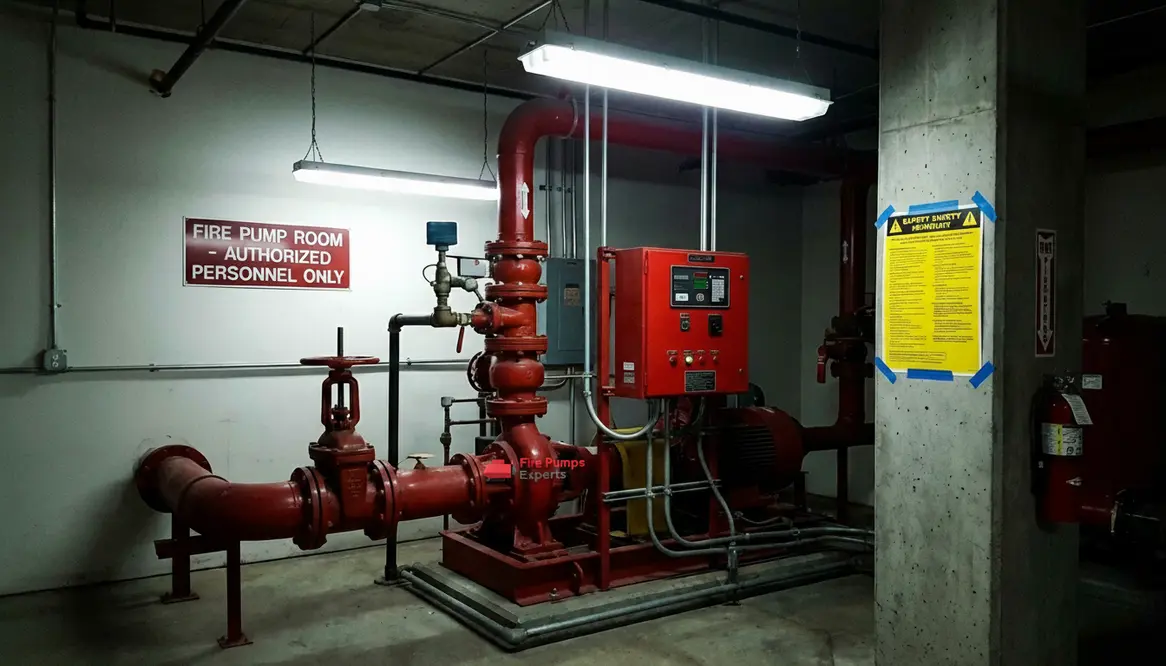
Fire Pump Systems for Crisis Centers Guide
I have spent enough time around critical facilities to know one simple truth. When things go wrong, they do not send a calendar invite. They arrive unannounced, loud, and usually at the worst possible moment. That is exactly why Fire Pump Systems for Crisis Centers are not a luxury. They are the quiet guardians standing by, ready to move water with purpose when every second matters.
In care and support operations, where people rely on safety as much as care itself, fire protection is not just a compliance checkbox. It is part of the promise. So let us walk through what these systems really need, why they matter, and how to make sure they perform when the lights flicker and alarms sing their dramatic little song.
Why care facilities demand stronger fire pump planning
First, care environments are not typical buildings. Patients, residents, and vulnerable occupants cannot always move quickly. Therefore, response time must be immediate and reliable. A properly designed fire pump system ensures water reaches every sprinkler head with enough pressure to act fast.
Moreover, these facilities often operate around the clock. That means systems must remain dependable without interruption. I like to think of it as the difference between a backup singer and the lead vocalist. In a crisis, the fire pump steps forward and takes center stage.
Additionally, compliance requirements are stricter. Inspectors do not just want to see equipment. They want proof of performance. That includes flow testing, redundancy, and proper documentation. And yes, they will notice if something feels off. They always do.
The unique pressure on crisis and care environments
Fire Pump Systems for Crisis Centers sit at the intersection of life safety, regulations, and constant operation. These are not quiet office towers that empty at 5 p.m. They are lived-in spaces where people sleep, heal, and rely on teams to keep risk as close to zero as possible.
What does a fire pump system need to support crisis operations?
Let me answer this plainly. A system must deliver pressure, reliability, and control without hesitation. However, getting there involves several moving parts working in harmony.
Core requirements that cannot be skipped
Core requirements include:
- Reliable water supply that can sustain demand during extended emergencies.
- Backup power sources because power outages love to show up uninvited.
- Automatic activation so the system responds faster than any human could.
- Routine testing and monitoring to catch issues before they become headlines.
Furthermore, integration with alarms and building systems ensures coordinated action. Think of it like an orchestra. If one section misses its cue, the whole performance suffers.
Designing Fire Pump Systems for Crisis Centers that think ahead
When planning Fire Pump Systems for Crisis Centers, the smartest move is to assume that whatever can fail will try to fail at the worst possible moment. That mindset leads to stronger choices around redundancy, power, and monitoring.
Fire Pump Systems for Crisis Centers in complex buildings
Large commercial and industrial properties bring unique challenges. High rise structures, multi wing healthcare campuses, and specialized treatment areas all demand tailored solutions. A one size fits all approach will fail faster than a flip phone in a streaming era.
Therefore, system design must account for building height, layout, and occupancy type. Engineers must calculate pressure zones, pipe sizing, and flow rates with precision. In addition, redundancy becomes critical. If one component fails, another must immediately take over.
Equally important, maintenance access cannot be an afterthought. I have seen beautifully designed systems tucked into corners like forgotten gym equipment. When technicians cannot reach components easily, inspections suffer. And when inspections suffer, risk grows quietly in the background.
Design priorities
- Pressure consistency across all floors
- Dedicated pump rooms with controlled conditions
- Scalable systems for future expansion
Operational priorities
- Clear monitoring interfaces
- Fast fault detection
- Seamless integration with emergency protocols
Maintenance routines that actually prevent failure
Now here is where many operations stumble. Installing a system is only the beginning. Keeping it ready is the real work. And yes, it requires discipline.
Routine testing should follow a strict schedule. Weekly churn tests, monthly inspections, and annual flow tests are not optional. They are essential. Furthermore, each test should produce records that confirm performance standards are met.
Another point worth mentioning is staff familiarity. Even the best system can fall short if no one understands how it works. Training ensures that when alarms activate, the response is calm and informed rather than chaotic and improvised.
And let me add a small reality check. If the last time someone looked at the pump room was during installation, that is not a strategy. That is wishful thinking wearing a hard hat.
Turning maintenance into a culture, not a chore
The strongest Fire Pump Systems for Crisis Centers are usually found in organizations where routine checks are treated as part of the daily rhythm, not as an annual sprint before an inspection visit. When leadership expects clean logs, clear responsibilities, and honest reporting, reliability improves quietly in the background.
Integrating fire pumps into broader safety strategies
Fire protection does not operate in isolation. It connects with alarms, suppression systems, and evacuation procedures. Therefore, coordination is key.
For example, when a sprinkler system activates, the fire pump must respond instantly. At the same time, alarms notify occupants and emergency teams. This synchronized response reduces damage and improves safety outcomes.
Additionally, modern systems allow remote monitoring. Facility managers can track performance in real time, identify issues early, and respond quickly. It is like having a watchful eye that never blinks.
And while technology helps, planning still matters most. A well integrated system reflects thoughtful design, consistent upkeep, and a clear understanding of the building’s needs.
Fire pumps inside the wider emergency playbook
When evacuation routes, staff drills, communication plans, and Fire Pump Systems for Crisis Centers share the same script, response becomes smoother. People know what the equipment will do, and the equipment is designed with people’s behavior in mind.
Fire Pump Systems for Crisis Centers and long term reliability
Long term performance depends on smart decisions made early. Choosing the right equipment, designing for redundancy, and committing to maintenance all play a role. Over time, these choices add up to a system that performs when it matters most.
Additionally, working with experienced professionals ensures that installations meet both regulatory standards and practical demands. In complex facilities, there is no room for guesswork.
And let us be honest for a moment. Nobody celebrates a fire pump system on a normal day. It does not get applause or social media posts. But when a crisis hits and everything works as it should, that quiet success becomes priceless.
Building for the next decade, not the next inspection
For organizations that treat Fire Pump Systems for Crisis Centers as long term infrastructure instead of a one time capital project, decisions shift. Documentation stays clean, upgrades are planned rather than rushed, and partnerships with specialists, such as resources from https://firepumps.org, help keep designs aligned with evolving standards.
FAQ
Conclusion
When I look at care and support facilities, I see responsibility at scale. Lives depend on preparation, not reaction. That is why investing in the right fire pump system is not just smart. It is necessary. If you manage a commercial or industrial property, now is the time to review your setup, strengthen weak points, and ensure everything stands ready. Because when the moment comes, readiness is everything.