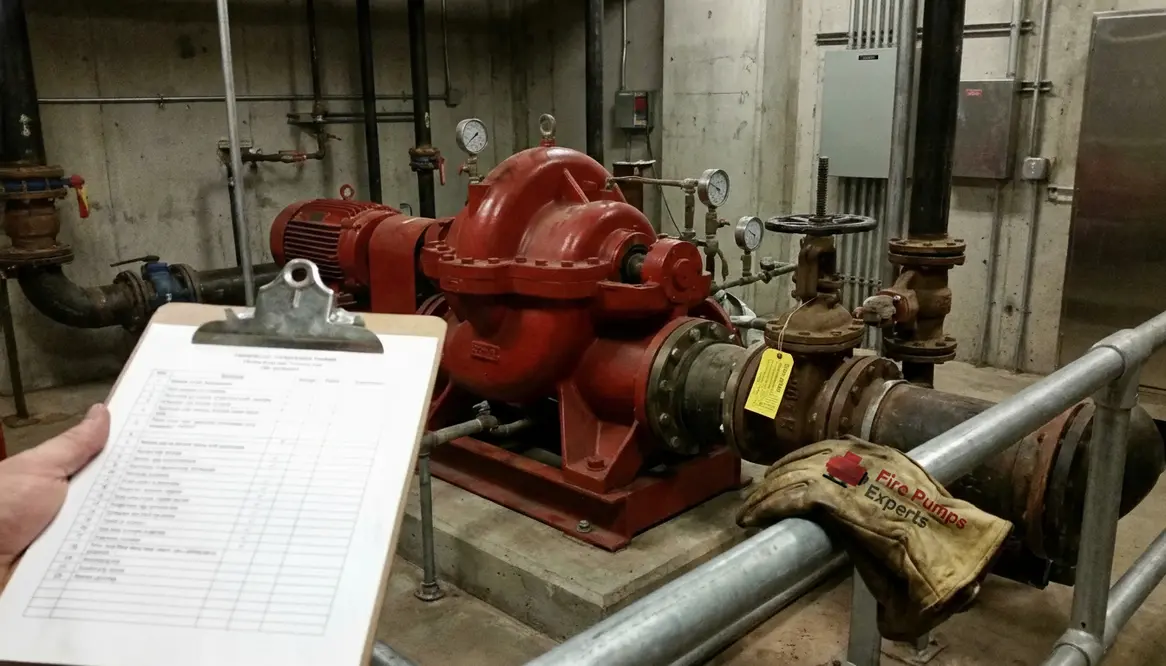
EN 12845 vs FM DS Fire Pump Design Differences
How risk, reliability, and real world performance change the way fire pumps should be designed and approved.
EN 12845 vs FM DS: What I Look At First
When I compare EN 12845 vs FM DS, I do not start with the pump room itself. I start with the risk. That is where the real story lives. A pump can look fine on paper, yet still fail the moment a fire system needs it most. And trust me, that is not the kind of surprise anyone wants on a Monday morning. For commercial and industrial facilities, plus major property buildings, the choice between these two standards shapes reliability, compliance, and long term protection.
In simple terms, EN 12845 gives a strong European code path, while FM Data Sheet 3 7 follows a more insurer focused style. Both aim for dependable fire pump performance, but they do not ask the same questions or set the same limits. So, if you manage a plant, warehouse, tower, or large estate, the details matter. A lot.
Two Standards, Two Mindsets
EN 12845 and FM Data Sheet 3 7 both deal with fire pump design, but they come from different worlds. EN 12845 leans into sprinkler based fire protection and clear system rules. FM DS 3 7, by contrast, pushes hard on loss prevention, reliability, and insurer expectations. That means I never treat them as twins. They may wear similar suits, but they do not think alike.
In practice, I look at water supply, pump sizing, power source, redundancy, and testing. I also check how the standard handles site risk. For example, a distribution center with high storage rack loads may need a very different setup than a mixed use commercial tower. Therefore, the right choice depends on the building, the hazard, and the approval path.
Fire Pump Requirements: EN 12845 vs FM DS
Here is the heart of the matter. EN 12845 vs FM DS differs most in how each standard treats performance and resilience. EN 12845 gives structured guidance for pump capacity, duty, standby arrangements, and water supply duration. It often fits well where local code compliance is the main goal. FM DS 3 7, however, tends to expect a higher level of site robustness. It cares deeply about failure points, maintenance access, and how the system behaves under real loss conditions.
For a side by side view, I find this breakdown useful:
EN 12845
- Focuses on sprinkler system support and code based design.
- Sets clear limits for pump selection and water supply duration.
- Works well for projects that follow European fire standards.
FM Data Sheet 3 7
- Focuses on property loss control and operational reliability.
- Often requires strong redundancy and careful equipment layout.
- Fits large commercial and industrial sites with high asset value.
So, while EN 12845 often answers, “Does the system meet the rule?” FM DS more often asks, “Will this still work when things go sideways?” And frankly, that is a fair question.
Choosing Fire Pump Setups for Commercial and Industrial Sites
For commercial and industrial facilities, I always match the standard to the building purpose. A manufacturing plant with process risk needs a different fire pump strategy than a shopping center or office tower. In those cases, water demand, system uptime, and inspection access become critical.
If I am working under EN 12845, I focus on the sprinkler demand, tank capacity, and the required pump duty. If I am working under FM DS 3 7, I pay closer attention to system reliability, power independence, and the quality of installation details. That means the pump room, suction line, controls, and test arrangement all need clean, practical design. No drama. No improvisation. This is not a Marvel movie.
Space, Access, and Real Life Use
Also, I always check whether the site has enough space for safe testing and maintenance. After all, a fire pump that nobody can reach is about as useful as a chess set in a thunderstorm.
When comparing EN 12845 vs FM DS, the layout of the room, escape paths, and the ability to run full flow tests without chaos are just as important as the curves on the pump data sheet.
Why Testing and Maintenance Decide Long Term Success
Even the best fire pump system fails if testing gets sloppy. That is why I treat testing as part of design, not an afterthought. EN 12845 sets clear expectations for routine checks and flow tests. FM DS 3 7 usually goes further in its insistence on dependable upkeep and documented performance. As a result, the maintenance plan can matter as much as the pump itself.
Three Testing Habits I Push For
- Test the pump often enough to prove it starts and runs correctly.
- Confirm the water source still supports the design demand.
- Keep the room clean, accessible, and free from avoidable hazards.
Dust, corrosion, heat, and clutter can all weaken a system over time. In other words, the fire pump does not want to live in a junk drawer.
How I Choose Between EN 12845 and FM DS
If I need a code driven path for a project in Europe, EN 12845 often gives me the right structure. If I need a higher loss prevention standard for a major commercial or industrial site, FM DS 3 7 can provide the stronger lens. So, the choice depends on project goals, insurance needs, and approval rules.
I also recommend reviewing your site early with a fire protection specialist. For deeper guidance on system planning and commercial fire pump standards, I suggest checking the commercial fire pump requirements resource. That kind of review can save time, money, and a lot of back and forth with stakeholders who love meetings almost as much as people love sirens.
When you frame the decision as EN 12845 vs FM DS, remember that the best answer is usually the one that respects the site risk first and the paperwork second.
FAQ: EN 12845 vs FM DS Fire Pump Design
Conclusion
If you want a fire pump system that truly fits a commercial or industrial site, I recommend comparing the risk, the approval route, and the long term upkeep before you choose a standard. EN 12845 vs FM DS is not just a paperwork debate. It shapes safety, uptime, and peace of mind. So, take the time to review your site with expert help, confirm the right design path, and build a system that stands ready when it matters most.