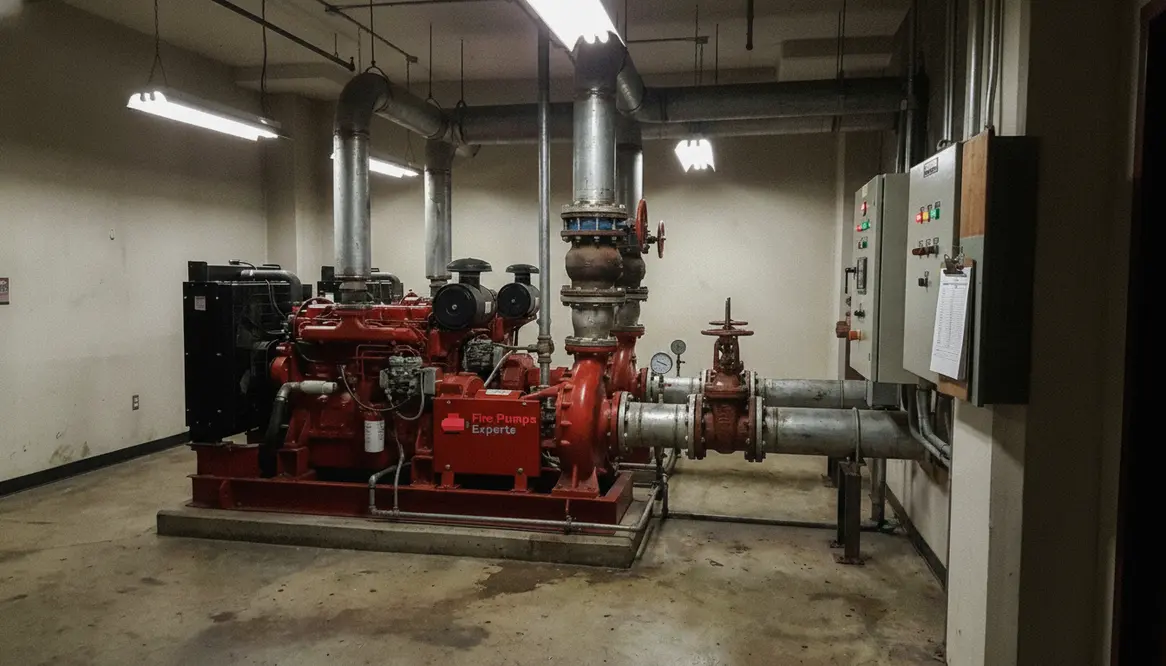
AS 2941 vs FM Data Sheet 3 7 Fire Pump Guide
AS 2941 vs FM Data Sheet 3 7 Fire Pump Requirements sits right in the middle of a decision many owners, engineers, and facility teams face when they protect commercial and industrial buildings. I look at it like this: one side speaks to Australian fire pump rules, while the other brings FM Global’s strict loss prevention standards into the room. Both matter, and both can shape design, installation, and long term reliability. So if you manage a plant, a warehouse, a tower, or another major property, this comparison helps you avoid expensive guesswork. And yes, fire pumps may not sound glamorous, but neither does a shutdown at 2 a.m., and that one never gets a laugh.
What AS 2941 covers for fire pump design
I use AS 2941 when I need a clear Australian path for fire pump set up, testing, and performance. It focuses on the pump room, the pump unit, the power source, water supply, and how the system must perform during fire conditions. In practice, it helps me confirm that the pump can deliver the needed pressure and flow when the system calls for it. That matters because a fire pump is not a decoration. It is the muscle behind the sprinkler and hydrant system.
AS 2941 also pays close attention to reliability. For example, it covers things like pump arrangement, driver type, controller requirements, and access for maintenance. That last part sounds boring until you try to service a pump in a cramped room with a flashlight and a very bad mood. Then it suddenly feels important. As a result, this standard works well for projects that need a strong, local compliance base in Australia.
What FM Data Sheet 3 7 expects from fire pumps
FM Data Sheet 3 7 takes a different route. It comes from FM Global and pushes hard on loss prevention for commercial and industrial sites. I see it as more demanding in many cases because it often expects stronger redundancy, tighter reliability, and more careful risk control. In other words, it assumes the building owner wants fewer surprises and less drama. Smart move, honestly.
FM Data Sheet 3 7 usually goes deeper into pump room layout, water supply quality, suction conditions, power backup, and test readiness. It often wants extra confidence that the fire pump will work under stress, not just on paper. Therefore, if a facility carries FM Global insurance or must meet FM standards, I treat this sheet as a serious design filter, not a casual suggestion. It can affect the pump type, the room arrangement, and even how I plan redundancy for critical operations.
AS 2941 vs FM Data Sheet 3 7 in a side by side view
When I compare AS 2941 vs FM DS, I usually break the job into practical points. This helps teams see where the standards align and where they part ways.
Topic
Focus
Design style
Redundancy
Testing
Best fit
AS 2941
Australian compliance and reliable system function
Clear code based requirements
Required based on system needs
Regular checks and performance verification
Australian commercial and industrial buildings
FM Data Sheet 3 7
High reliability and loss prevention for insured properties
More risk driven and often more strict
Often expects stronger backup and resilience
Tight test readiness and stronger proof of reliability
FM Global protected sites and high value assets
So, while both aim for dependable fire protection, FM often asks for more headroom. Meanwhile, AS 2941 gives a solid national framework. If I am working on a project that must satisfy both, I do not pick one and hope for the best. That approach belongs in bad movies, not fire protection.
How I decide which standard drives the project
First, I check the building type, the insurer, and the authority having jurisdiction. Then I ask a simple question: who sets the real target for compliance? If the project sits in Australia and does not fall under FM requirements, AS 2941 may lead the design. However, if FM Global is involved, I must compare the project against FM Data Sheet 3 7 early, before the design gets locked in. That saves time, money, and several headaches.
Next, I review the water supply, the required flow, and the pump driver. For commercial and industrial facilities, these details can change the entire system layout. For example, some sites need diesel backup because the electrical supply cannot carry the risk. Others need room upgrades to meet access and safety needs. Therefore, I always treat the fire pump room as part of the building’s life support system, not a side project someone squeezed in after lunch.
How fire pump compliance affects major properties
For large warehouses, hospitals, office towers, data centers, and industrial plants, the stakes run high. A weak fire pump choice can affect property loss, business downtime, and life safety. Because of that, I focus on the whole chain: water source, pump performance, control systems, testing, and maintenance access. If one link fails, the rest cannot save the day. Even superheroes need a working power source.
Also, compliance is not just about passing inspection once. It is about proving the system will still work next year, and the year after that. So I look for clear records, practical test plans, and room for maintenance. As a result, owners can protect people, reduce loss, and keep operations running when conditions turn rough.
AS 2941 vs FM DS in real project decisions
On live projects, the AS 2941 vs FM DS balance shows up in everyday choices. Pump selection, room layout, and redundancy all look different when a site carries FM Global insurance compared with a typical Australian commercial property. In some cases, the cleanest path is to let FM’s expectations set the upper bar and confirm that AS 2941 is still satisfied beneath that. In other cases, the project only needs AS 2941, but design teams still choose a few FM style features because the long term reliability case is too strong to ignore.
FAQ
Conclusion and next step
If you are comparing AS 2941 vs FM DS for a commercial or industrial property, I recommend starting early and checking both compliance and risk needs before final design. The right fire pump setup protects people, property, and business continuity. If you want practical help for a major facility, contact a fire protection specialist who works with large buildings and industrial sites. A smart review now can prevent a very costly surprise later. For more material on fire pumps and standards, specialist resources such as https://firepumps.org can also support deeper technical review alongside project specific advice.