UL Listed vs FM Approved Fire Pumps Guide
Understanding how UL Listed vs FM Approved fire pumps shape safety, compliance, and loss prevention for commercial and industrial properties.
UL Listed vs FM Approved Fire Pumps: what I would want every commercial and industrial property owner to know
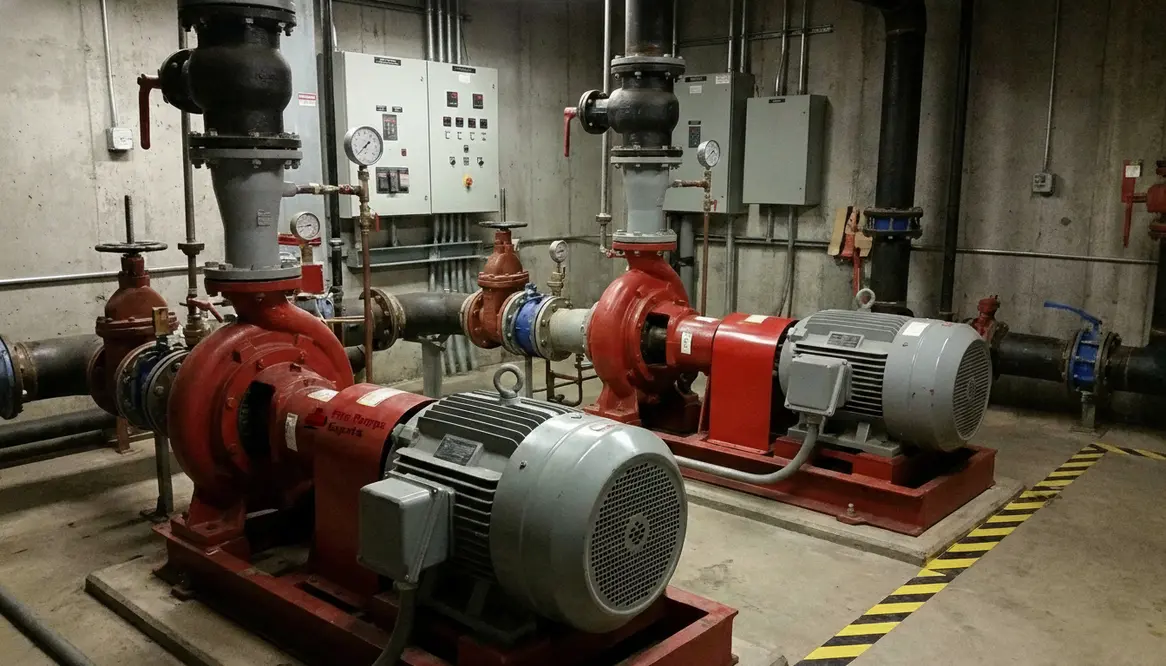
When I look at UL Listed vs FM Approved fire pumps, I do not treat them like two random labels on a box. I treat them like two different layers of confidence for major properties that cannot afford guesswork. If you manage a commercial tower, a warehouse, a plant, or any large facility with serious fire risk, this choice matters. A lot. One path may satisfy code needs, while the other may speak more directly to loss prevention goals. And in this game, the fire pump is not the hero in the shiny cape. It is the quiet heavyweight in the back room, ready to save the day when everything else has already gone sideways.
For commercial and industrial buildings, I focus on how each approval affects safety, insurance, maintenance, and project planning. That way, I can make a choice that supports the building, the people inside it, and the people who have to sign off on the risk. Because nobody wants a fire protection plan that looks good on paper and folds faster than a cheap lawn chair in August.
Why this decision is not just a checkbox
Choosing between UL Listed vs FM Approved fire pumps shapes how resilient your building will be when the worst case scenario shows up uninvited. It influences design options, inspection conversations, and how calm or nervous your risk and insurance people feel when they read your plans.
Think of it as deciding how much surprise you want when sprinklers need water yesterday and every other system upstream has already had a bad day.
What UL Listed fire pumps mean for my building
UL Listed fire pumps meet standards set by Underwriters Laboratories. In plain English, UL tests the pump to see whether it performs as expected under fire protection conditions. I look at UL Listing as a strong baseline for product safety and reliability. It helps me know the pump has passed defined tests and fits into many fire protection designs used in large buildings.
In practice, UL Listing often matters when I need code compliance and a trusted product mark. It gives me confidence that the pump has been evaluated for fire service use. However, I also know that UL Listing alone does not tell the whole story about risk control or insurance expectations. It answers one big question: does the pump meet the test criteria? Still, the real world likes to ask follow up questions. That is its favorite hobby.
What FM Approved fire pumps mean in high risk facilities
FM Approved fire pumps come from FM Approvals, which tests products with a strong focus on property loss prevention. I see FM Approval as especially valuable when a facility wants extra confidence beyond basic compliance. FM looks hard at how a pump performs, how it holds up, and how it fits into a broader protection strategy for large properties.
For me, that makes FM Approval very appealing in industrial settings, data centers, logistics hubs, and other major assets where downtime can cost a fortune. Insurance carriers also often view FM Approval favorably because it reflects a tougher loss prevention mindset.
High-value facility mindset
- Looks beyond “does it run in the lab?” toward “will it protect my building when things go wrong?”
- Favored in facilities where an unplanned shutdown makes accountants twitch.
- Pairs well with risk managers who like to sleep at night.
In other words, it is like choosing the safety harness and the parachute, not just the harness. Overkill? Maybe for a picnic. Not for a critical facility with a million dollar headache waiting in the wings.
UL Listed vs FM Approved comparison for commercial and industrial properties
Here is the part I like to keep simple. Both marks matter, but they do not mean exactly the same thing. UL Listing focuses on product safety and compliance testing. FM Approval leans harder into property protection and real world loss control. So, when I compare UL Listed vs FM Approved fire pumps, I ask what the building truly needs.
For code driven projects, UL Listing may be enough, depending on the design and local requirements. For higher value industrial sites, FM Approval can add another layer of comfort for insurers, owners, and risk managers. I also pay attention to the AHJ, the engineer of record, and the insurance team. They all like to join the conversation, usually at the same time, like they planned it.
UL Listed
- Focuses on product compliance and fire service testing
- Often supports code acceptance
- Works well in many commercial fire protection designs
FM Approved
- Focuses on loss prevention and property protection
- Often preferred in high value or high risk facilities
- Can align well with insurance expectations
So, I do not treat one as “better” in every case. I treat them as tools for different risk profiles. That is the whole ballgame when weighing UL vs FM Approved in real projects that have real consequences.
How I choose the right approval for a fire pump project
Reading the building, not just the spec sheet
When I evaluate a project, I start with the building use, occupancy type, and fire risk. Then I look at the insurance picture, the site layout, and any special performance concerns. A large warehouse with high stored commodities may call for a different approach than a mixed use office complex. Likewise, a manufacturing site may need tighter loss control than a standard commercial property.
Thinking beyond day one
I also think about long term service. A fire pump is not a one time purchase. It needs inspection, testing, and maintenance. Therefore, I want a pump that fits the facility’s operating plan and service support needs. The best approval is the one that supports the whole system, not just the purchase order. Fancy labels do not stop friction loss, pressure drop, or bad planning. Sadly, even the fire pump cannot fix a messy spreadsheet.
In many projects, the UL vs FM Approved discussion turns into a balancing act between budget, risk appetite, and how strongly the insurer weighs in on the design. The smarter that conversation is, the fewer surprises you will face later.
Why UL Listed and FM Approved both matter to insurers and owners
Insurance teams care about risk, and risk likes to hide behind small details. That is why both approvals matter. UL Listing helps show that the pump meets recognized product standards. FM Approval can show that the equipment meets stricter expectations for property protection. Together, they can support a stronger case for safe, reliable fire protection in major facilities.
How insurers look at approvals
- UL Listing: confirms baseline product safety and performance for fire service.
- FM Approval: signals a stronger property protection and loss prevention mindset.
- Both together: often make the underwriting conversation smoother.
If your insurer leans heavily toward FM standards, treating UL vs FM Approved as a casual choice can backfire. Getting them involved early keeps your fire pump selection from turning into a late stage redesign exercise no one enjoys.
When you match the pump approvals with building risk, occupancy, and insurer expectations, you are not just protecting square footage. You are protecting business continuity, people’s jobs, and the reputation of everyone who signed the drawings. Resources like https://firepumps.org can help you keep current with evolving best practices as you make those calls.
FAQ: UL Listed vs FM Approved fire pumps
Conclusion
If I am protecting a commercial or industrial property, I do not want to guess my way through fire pump approvals. I want the right fit for the building, the risk, and the people who depend on the system. That is why I treat UL Listed vs FM Approved as a serious design choice, not a branding contest. If you are planning a fire pump project for a major property, reach out to a trusted fire protection specialist and match the approval to the job. The safest move is the informed one, especially when the difference between UL vs FM Approved can shape how your system performs on the one day it absolutely must work.