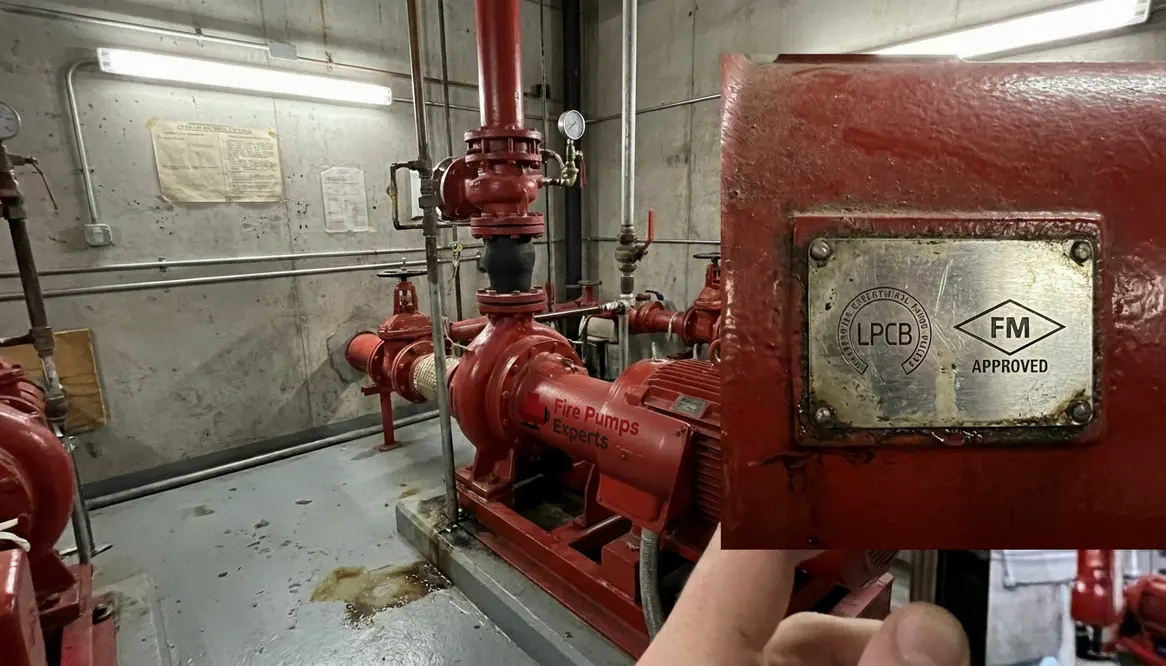
LPCB LPS 1131 vs FM Approved Fire Pumps Guide
LPCB LPS 1131 vs FM Approved Fire Pumps: when I help a commercial site or a large industrial property choose a fire pump, I do not start with brand names or shiny brochures. I start with proof. Standards matter because a pump is not just a piece of equipment; it is the quiet muscle that steps in when pressure drops and seconds turn expensive. In the world of major buildings, warehouses, plants, and tall properties, the choice between LPCB LPS 1131 and FM Approved equipment can shape risk, compliance, and long term confidence. And yes, this is one of those topics that sounds dull until you realize it can save a building, a business, and a very bad day.
What I look for first in fire pump approval
When I compare approval paths, I first ask a simple question: what kind of trust does the certificate actually give me? LPCB LPS 1131 comes from the Loss Prevention Certification Board and focuses on fire protection equipment tested for performance and reliability. FM Approved fire pumps come through FM Approvals, which is known for testing that leans hard into property loss prevention. In plain English, both aim to prove that the pump can do the job when the heat is on, literally.
For me, the key point is not which label looks fancier. It is how each approval fits the risk profile of the site. A distribution center with critical stock, a manufacturing plant with process downtime, or a high rise commercial tower may each need a different level of assurance. Therefore, I always match the approval to the building use, the insurance demands, and the local code path. No one wants a fire pump decision made like a rushed movie sequel.
LPCB LPS 1131 vs FM Approved: how they differ in the real world
Here is the practical split. LPCB LPS 1131 often fits projects that want strong third party fire certification with a clear focus on fire safety performance. FM Approved fire pumps often appeal to owners and insurers who value a long standing property loss prevention system backed by FM testing. Both can serve commercial and industrial facilities well, yet the buying path can feel different.
In many cases, the approval difference affects these areas:
- Insurance comfort because some carriers prefer one approval route over another
- Project approval because spec teams may ask for a specific certification
- Procurement clarity because the documents and test rules can vary
- Risk strategy because some owners want a pump that aligns with a wider loss prevention plan
So, if I am advising a property team, I do not treat the approvals as twins with different logos. They may look similar from across the room, but under the hood they answer different needs. One may fit a global specification better. The other may fit an insurer driven requirement better. Either way, the pump still has to perform like the main character in the final act.
How I decide which approval fits a commercial site
Matching approvals to real risk
For commercial and industrial properties, which approval should I choose? I choose the one that aligns with the site’s code, insurer, and operational risk. That answer sounds simple, but the real work sits in the details.
I usually review the water supply, required flow, pressure needs, backup power, and the consequence of downtime. Then I look at the owner’s standards. Some operators manage several sites across regions, so they want one approval path that keeps design and maintenance consistent. Others face a project spec from consultants or insurers, and that spec may already point toward one certification.
Looking beyond the nameplate
When I work through LPCB LPS 1131 vs FM Approved, I also look at service support, spare parts, and documentation. A pump only helps if the team can maintain it well. That means the right choice should fit not just the initial build, but the life of the building. In other words, you want a safety system, not a paper trophy for the lobby.
If the maintenance contractor struggles to get parts, if the manuals read like cryptic poetry, or if nobody on site actually knows how the weekly test should run, the label on the pump casing will not save the day.
Why insurance and compliance change the answer
The insurer’s quiet influence
Insurance teams often shape pump selection more than people expect. That is not a bad thing. They focus on loss, and fire pumps exist to reduce loss. However, the approval they trust can shift by region, sector, and account history. Because of that, I always ask early. Waiting until the end can turn a clean project into a slow meeting with five people, three spreadsheets, and one very tired project manager.
Codes, standards, and awkward surprises
Compliance also matters. Local codes, international standards, and owner rules can all point in slightly different directions. Therefore, I treat approval as part of a bigger puzzle. I check whether the facility needs a pump for a high value warehouse, a data heavy office tower, a process plant, or a large retail complex. Then I make sure the selected fire pump approval does not fight the design brief. That saves time, avoids rework, and keeps everyone looking sharp in the final handoff.
If you ever want to see a design team lose its sense of humor, wait until late commissioning to discover that the local authority expected a different approval route for the main fire pump.
My dual view of LPCB LPS 1131 and FM Approved fire pumps
How each path tends to be used
- LPCB LPS 1131 works well when the project values recognized fire certification and a clear performance standard
- FM Approved works well when insurers or owners want a strong property protection focus
- Both can support commercial towers, plants, logistics centers, and other major properties
- Neither should be chosen by habit alone
So, if I had to sum it up in one line, I would say this: the best approval is the one that fits the building, the insurer, and the risk plan without drama. That is not flashy, but then again, fire protection rarely needs a red carpet.
LPS 1131 vs FM Approved in a single comparison
When people ask me about LPS 1131 vs FM Approved, they often want a winner. In practice, I see them as two strong tools. One may fit a European distribution of assets and regional codes better, while the other locks in neatly with an insurer’s global property protection strategy. The smart move is to select the tool that matches the building class, the water supply approach, and the long term service plan.
If your risk team, insurer, and local engineer all recognize the same approval path, your job gets much easier. If they have mixed preferences, that is when a calm comparison of LPS 1131 vs FM Approved, backed by specific project goals, keeps the conversation focused on performance instead of politics.
FAQ
Conclusion
Conclusion: if you are planning a fire pump for a commercial or industrial property, I recommend starting with the approval path, not the sales pitch. Review the site risk, compare the insurer’s view, and confirm the compliance route before you buy. If you want a practical guide for your next project, reach out and get the approval question settled early. That one step can save time, reduce risk, and keep your building ready when it matters most.
If you are unsure how LPS 1131 vs FM Approved fits into a specific site, gather your fire engineer, insurer, and facilities lead for one focused discussion instead of three scattered ones. A single clear decision, documented properly and paired with a solid maintenance routine, will do more for your building’s resilience than any glossy brochure at https://firepumps.org or anywhere else.