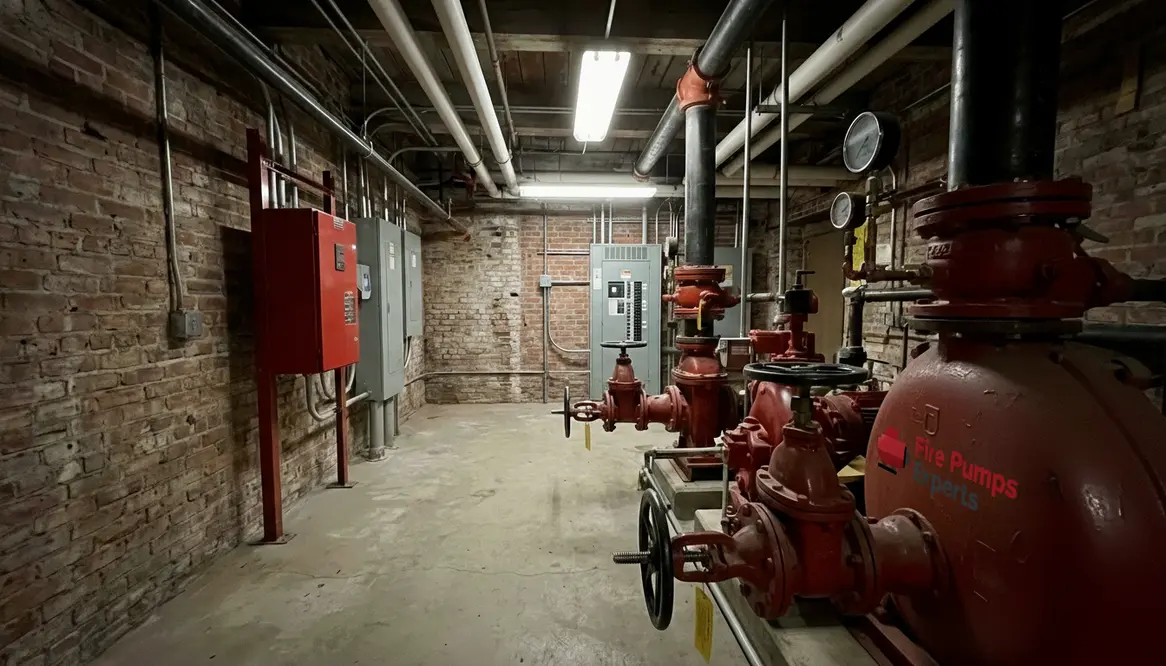
Urban Residential Conversion Fire Pump Requirements
Old bones, new life, and a fire protection system that absolutely has to work when everything else goes wrong.
I have walked through more converted buildings than I can count, and each one tells a story. Old factories become sleek apartments. Warehouses turn into buzzing offices. However, beneath the polished floors and exposed brick, one question always echoes: are we truly safe? That is where urban residential conversion fire pump requirements come into play. These systems are not just technical add ons. They are the quiet guardians that stand ready when everything else fails. And trust me, when fire shows up uninvited, you want more than a polite suggestion to leave.
Why converted buildings demand more than standard fire protection
Converted structures carry a past life, and that past often brings hidden challenges. For example, older piping layouts, inconsistent water pressure, and outdated infrastructure can all complicate fire safety planning. As a result, relying on standard systems simply will not cut it.
Moreover, these buildings often serve larger populations than they were originally designed for. A textile mill was never meant to house hundreds of residents or employees. Therefore, the fire protection system must evolve with the building’s new purpose. I like to think of it as upgrading from a flip phone to a smartphone. Both make calls, but only one can handle modern demands without breaking a sweat.
The hidden baggage of old buildings
Former mills, factories, and warehouses rarely come with clean, modern fire infrastructure. Expect uneven pressure zones, mismatched pipe diameters, and mystery valves that have not moved in decades. All of that feeds directly into how urban residential conversion fire pump requirements are interpreted on your project.
Understanding urban residential conversion fire pump requirements in practice
When I evaluate a project, I focus on flow, pressure, and reliability. These three pillars define whether a fire pump system will perform when it matters most. In many cases, municipal water supply alone cannot meet the demand of a converted property. Consequently, a dedicated fire pump becomes essential.
Additionally, I look at how the building layout has changed. New walls, added floors, and repurposed spaces all affect how water moves during a fire event. Therefore, proper sizing and placement of pumps is not optional. It is critical.
And let’s be honest, nobody wants a system that works great on paper but struggles in real life. That is like buying a sports car that only drives well in a parking lot.
From code text to real water at the nozzle
Codes and standards outline urban residential conversion fire pump requirements, but the real test is simple: will enough water reach the fire area with usable pressure, no matter where that fire starts? Every design decision should be traced back to that single question.
How do I choose the right fire pump for a converted building?
I start with a simple principle: match the pump to the risk. However, that requires a deep understanding of the building’s new function. For commercial and industrial properties, this often means higher hazard classifications and stricter requirements.
Next, I evaluate water supply conditions. If pressure fluctuates or falls short, a booster or split case pump may be necessary. On the other hand, high rise conversions often require vertical turbine pumps to maintain consistent pressure across multiple floors.
Finally, I consider redundancy. Because when it comes to fire protection, one system is good, but a backup system is peace of mind. Think of it like having a spare tire. You hope you never need it, but you will be very glad it is there when you do.
Risk, height, and water: the decision triangle
The type of occupancy, the number of stories, and the reliability of your municipal water all steer your fire pump selection. Get any corner of that triangle wrong and you risk missing critical urban residential conversion fire pump requirements for the life of the building.
This is also where early coordination with fire protection engineers, utility providers, and the authority having jurisdiction saves months of redesign and rework.
Key factors that shape fire pump system performance
Every system I design or review comes down to a few core elements. These factors ensure that the fire pump does not just exist, but performs reliably under pressure.
System Design
Proper layout ensures efficient water delivery across all zones.
Power Supply
Reliable power, often with backup, keeps pumps running during emergencies.
Maintenance Access
Easy access allows for regular inspections and quick repairs.
Compliance Standards
Meeting codes ensures safety and avoids costly delays.
Pump Capacity
Correct sizing prevents underperformance or wasted energy.
Integration
Systems must work seamlessly with sprinklers and alarms.
Each of these elements plays a role in meeting urban residential conversion fire pump requirements without compromise. Skip one, and the whole system starts to wobble.
Common mistakes I see in commercial conversion projects
Even experienced teams can miss the mark. One common issue is underestimating demand. When a building shifts from industrial use to mixed commercial occupancy, water needs often increase significantly. However, some designs fail to reflect that change.
Another frequent mistake involves poor coordination between systems. Fire pumps, sprinklers, and alarms must work together. If they do not, response time suffers. And in a fire, seconds matter more than opinions.
Then there is the temptation to cut costs. I get it. Budgets matter. But compromising on fire protection is like skipping brakes to save money on a car. It might seem fine until the moment you need to stop.
Where conversions go off the rails
Most problems trace back to ignoring the full impact of new occupancies and layouts on urban residential conversion fire pump requirements. More people, more combustible contents, more compartmentalization, and longer hose runs all add up to higher demand that an old system cannot quietly absorb.
Planning ahead for long term reliability
I always emphasize future proofing. Buildings evolve, and systems should be ready to adapt. Therefore, I recommend designing with flexibility in mind. This includes allowing for capacity upgrades and ensuring that components can be serviced without major disruption.
In addition, regular testing and maintenance are non negotiable. A fire pump that sits idle without checks can become unreliable. And reliability is the whole point.
Over time, consistent upkeep ensures that the system continues to meet safety expectations. It also helps property owners avoid costly surprises. Because nothing ruins a day faster than discovering your safety system needs a complete overhaul.
If you want a deeper technical reference beyond your local codes and standards, you can explore resources at https://firepumps.org while tailoring the guidance to the specific urban residential conversion fire pump requirements on your project.
FAQ
Final thoughts and next steps
When I look at a converted building, I see opportunity wrapped in responsibility. Meeting urban residential conversion fire pump requirements is not just about compliance. It is about protecting people, investments, and the future of the property. If you are planning a project or upgrading an existing system, now is the time to act. Reach out to professionals who specialize in commercial and industrial fire pump solutions and make sure your building is ready when it matters most.