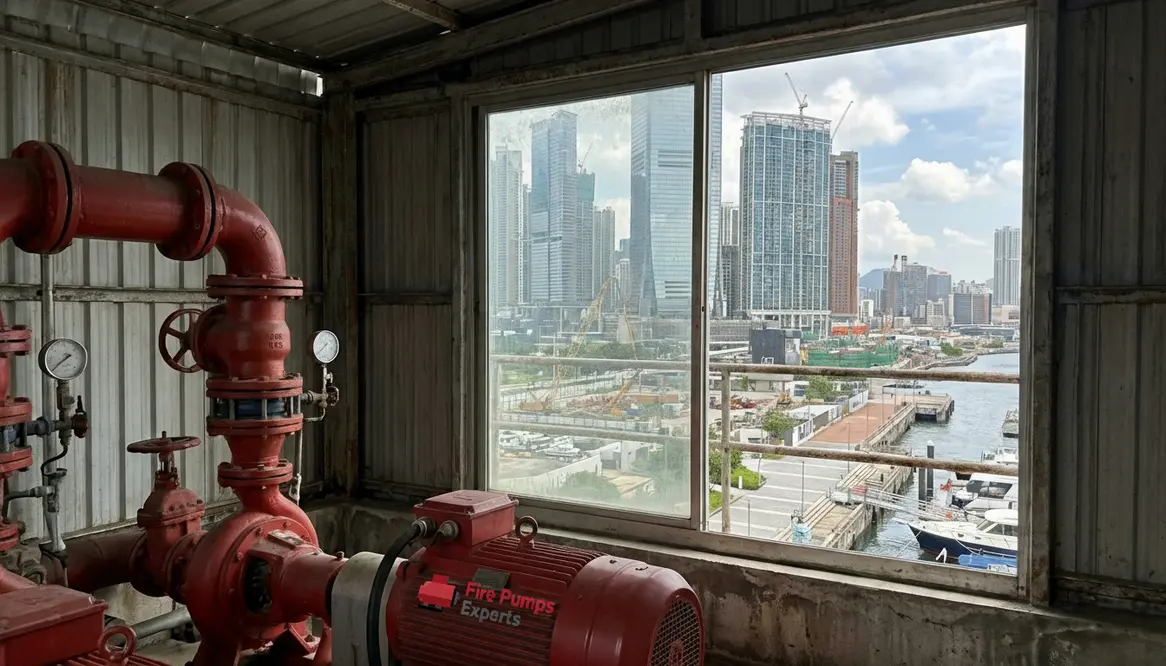
Waterfront Mixed Use Fire Pump Requirements Guide
I have spent years walking through steel skeletons of future skylines, listening to the quiet hum of systems that will one day roar to life. And when it comes to protecting high value urban development, nothing commands more respect than getting the waterfront mixed use fire pump requirements right from the very beginning. These systems are not just boxes in a basement. They are the difference between a contained incident and a headline that nobody wants to read. So let me walk you through how I approach fire pump planning when the stakes are high and the buildings aim even higher.
How I approach fire pump planning for dense urban builds
When I step into a large scale project, I immediately think about pressure, redundancy, and access. Cities do not forgive mistakes. Therefore, I start by mapping water supply reliability. If the municipal feed stutters, the entire system suffers. So I plan for backup capacity early.
Next, I look at vertical demand. Tall structures demand more than just stronger pumps. They require zoning strategies that prevent pressure overload at lower levels. Additionally, I align pump selection with future occupancy shifts because buildings evolve. Offices become residences, retail turns into logistics hubs. Fire protection must keep up.
And yes, somewhere in that process, I always picture a scene from a disaster movie. The difference is, in my version, nothing explodes because we planned correctly.
Designing around waterfront mixed use fire pump requirements
Waterfront developments introduce their own personality. Moisture, corrosion, fluctuating water tables. It is like designing in a place that constantly reminds you who is in charge. Because of that, I treat waterfront mixed use fire pump requirements as both a compliance task and an environmental challenge.
First, I prioritize corrosion resistant materials. Salt air is relentless. Secondly, I elevate critical components above flood risk levels. This is not optional. It is survival planning. Moreover, I ensure that pump rooms remain accessible during extreme conditions. A system you cannot reach is a system you cannot trust.
Then comes integration. Mixed use properties combine residential, commercial, and sometimes industrial zones. Each carries different fire loads. So I coordinate system demand carefully to avoid underperformance during peak scenarios.
What makes a fire pump system future proof in major developments
I do not believe in designing for today alone. That mindset ages poorly. Instead, I build flexibility into every system. For instance, I leave room for capacity expansion. I also select controllers that support modern monitoring systems.
Additionally, I consider energy efficiency. Not because it sounds nice in a brochure, but because operational costs matter over decades. Smart systems reduce strain while maintaining readiness.
And here is the quiet truth. The best fire pump system is the one nobody notices. It just works. Every time.
Key components I never compromise on
Some elements deserve absolute attention. I do not cut corners here, and neither should anyone else involved in high value projects.
Core infrastructure
- Reliable primary and backup pumps
- Dedicated power supply with failover
- Properly sized suction and discharge piping
- Advanced control panels
Operational resilience
- Flood protected pump rooms
- Corrosion resistant materials
- Accessible maintenance pathways
- Real time monitoring systems
Because when something goes wrong, it rarely sends a calendar invite first. It just shows up.
Why coordination across teams makes or breaks the system
I have seen brilliant designs fail simply because teams worked in silos. Fire protection does not exist in isolation. It connects with structural design, electrical systems, and even architectural intent.
So I make coordination a priority. I sit with engineers, contractors, and developers early and often. Furthermore, I ensure that space allocation for fire pump rooms is not treated as an afterthought. You cannot squeeze critical infrastructure into leftover space and expect optimal performance.
And yes, sometimes I feel like a conductor guiding an orchestra where everyone thinks they are the lead guitarist. Still, when it works, it is a symphony.
Meeting waterfront mixed use fire pump requirements without overdesign
There is a temptation to overbuild. Bigger pumps, more equipment, higher costs. However, precision beats excess every time. I focus on matching system capacity to actual demand scenarios.
Therefore, I run detailed hydraulic calculations and simulate peak conditions. I also account for simultaneous usage across different building zones. This ensures that the system performs efficiently without unnecessary strain.
At the same time, I stay aligned with waterfront mixed use fire pump requirements to meet both safety standards and environmental realities. Balance is the goal. Not excess.
If you want a deeper technical breakdown of how codes, hazard classifications, and system curves intersect with waterfront mixed use fire pump requirements, resources at https://firepumps.org offer a solid starting point for more formal guidance and reference material.
FAQ
Final thoughts and next steps
When I look at a skyline, I do not just see glass and steel. I see systems quietly standing guard. If you are planning a high value urban development, now is the time to get your fire pump strategy right. Work with experts who understand the complexity, the environment, and the long game. Because in this business, preparation is not just smart. It is everything. Let’s build something that lasts and protects what matters most.