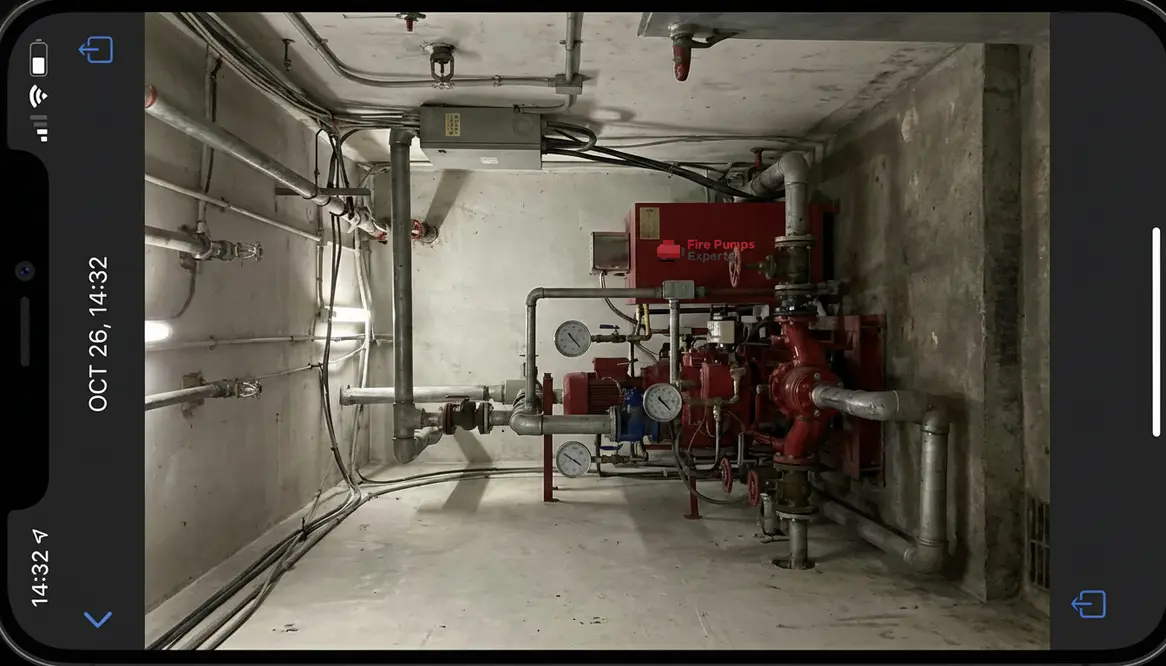
Urban Infill Residential Fire Pump Systems Guide
I have spent years walking through tight city blocks where space is scarce, buildings rise shoulder to shoulder, and risk quietly multiplies. In these environments, fire protection is not a luxury. It is survival. That is where urban infill residential fire pump systems come into play, quietly standing guard behind walls and beneath floors. They do not ask for applause, and frankly, they would not get it anyway. Yet when pressure drops and seconds count, they deliver water with the kind of reliability that would make even Batman nod in approval.
So let me guide you through what truly matters when protecting compact city housing. I will keep it grounded, a little entertaining, and absolutely useful.
Why Fire Protection Feels Different in Tight Urban Spaces
In dense neighborhoods, buildings share more than just walls. They share risk. Fire spreads faster because structures sit closer together, and access for emergency crews becomes limited. As a result, response time often stretches longer than anyone would like.
Because of that, I always emphasize built in protection. Systems must act before firefighters even arrive. Sprinklers, standpipes, and properly designed pump systems become the first line of defense. Moreover, older infrastructure often struggles to supply consistent water pressure, which makes supplemental systems not just helpful but necessary.
And let us be honest. Hoping the city water supply will always perform perfectly is a bit like trusting your phone battery at 2 percent. Technically possible. Not exactly wise.
What Makes Urban Infill Residential Fire Pump Systems Essential
When I evaluate a building, I look for reliability under stress. Urban infill residential fire pump systems are designed to boost water pressure exactly when demand spikes. They compensate for weak municipal supply and ensure sprinklers operate as intended.
Additionally, these systems are compact by design. That matters in urban infill projects where every square foot carries a price tag that might make your accountant wince. Engineers must fit powerful equipment into limited mechanical rooms without sacrificing performance.
However, performance is not just about power. It is about consistency. A well designed pump system maintains steady pressure, prevents system shock, and supports multiple floors simultaneously. That is how you protect both property and lives in a vertical environment.
How Do I Plan Fire Protection for a Small City Building
I start with the basics. Then I go deeper.
First, I assess building height, occupancy type, and water supply conditions. Next, I coordinate with fire codes and local regulations. After that, I integrate fire pumps, storage tanks if needed, and distribution systems that can handle peak demand.
Equally important, I account for redundancy. If one component fails, another must take over. Because in fire protection, there is no acceptable version of “we will fix it later.”
Finally, I work closely with engineers who specialize in commercial and large scale residential structures. Firepumps.org, for instance, focuses on systems built for major properties, ensuring that complex buildings receive the level of protection they actually require.
Design Priorities That Actually Make a Difference
Space Efficiency
Equipment must fit into tight footprints without blocking access or serviceability. In many urban infill residential fire pump systems, mechanical rooms feel more like closets than rooms, so every inch counts.
Pressure Stability
Systems must maintain consistent flow across multiple floors and zones. Sudden pressure spikes or drops can damage piping, trigger false alarms, or underperform when the sprinklers need them most.
Code Compliance
Local regulations vary, and ignoring them is not an option. Urban infill residential fire pump systems must satisfy both building and fire codes while staying coordinated with local water authority requirements.
Durability
Components must handle frequent testing and long idle periods without failure. Pumps sit quietly for months, then suddenly get asked to perform at 100 percent for as long as it takes to keep people alive and property standing.
Ease of Maintenance
Technicians need clear access, or maintenance gets skipped. And that never ends well. If the layout forces people to squeeze sideways just to reach valves, tests will mysteriously get “rescheduled.”
Integration
Fire pumps must work seamlessly with alarms, sprinklers, and backup power. Smart integration ensures that when the alarm activates, urban infill residential fire pump systems start, generators support them if power fails, and the entire chain responds as one coordinated system.
When these priorities align, the system does more than meet code. It performs when it matters most, turning a design drawing into a reliable safety net for every resident in the building.
Common Mistakes I See in Compact Housing Projects
Now here is where things get interesting. Because despite all the available knowledge, mistakes still happen.
One major issue is underestimating demand. Developers sometimes size systems too small, assuming lower usage. Then reality shows up, usually at the worst possible moment.
Another problem is poor coordination. Mechanical, electrical, and fire protection teams must work together. Otherwise, you end up with systems that compete for space or power.
And then there is maintenance neglect. A system that is not tested regularly might as well be decorative. It looks impressive, but it will not save anyone.
I say this with a bit of humor, but also with complete seriousness. Fire protection is not the place for shortcuts. This is not a movie where the hero outruns the explosion in slow motion. Urban infill residential fire pump systems have to work the first time, every time, without dramatic music or second chances.
FAQ: Fire Protection for Compact City Housing
Final Thoughts and Next Steps
If you are working on a compact city project, do not leave fire protection as an afterthought. Plan early, choose the right partners, and invest in systems that perform under pressure. Firepumps.org focuses on protecting large scale properties with precision engineered solutions. Reach out, ask the right questions, and build with confidence. Because when the unexpected happens, preparation is not just helpful. It is everything.