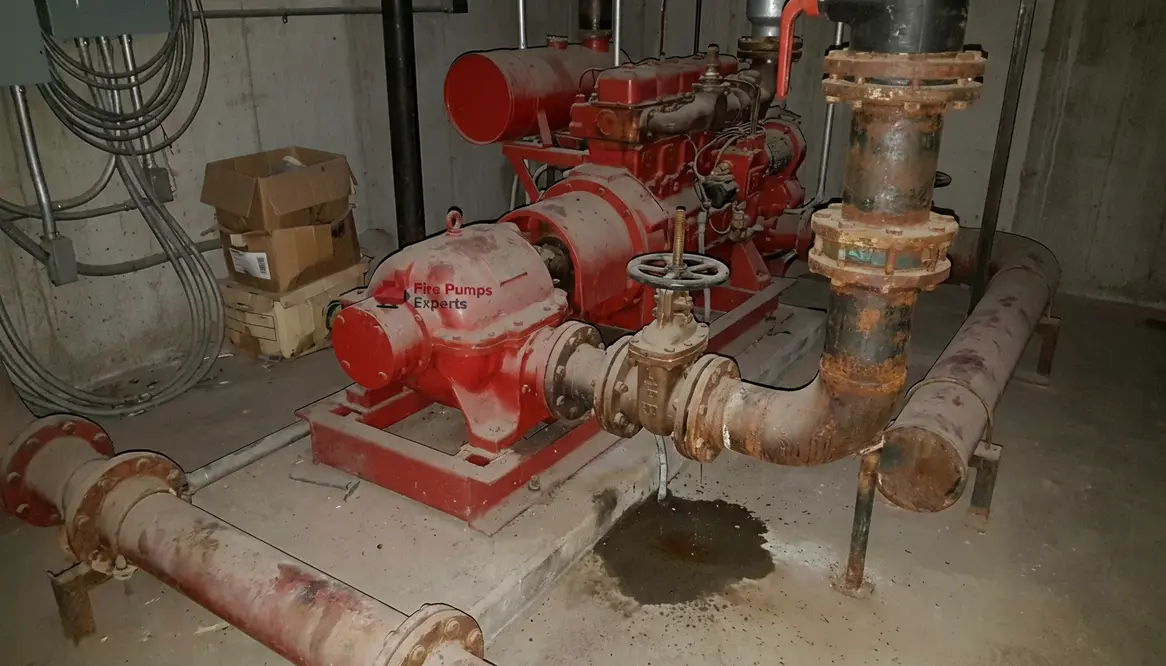
Lessons in Red: Real World Fire Pump Failure Case Studies in Commercial Buildings
If you’ve ever watched a heist movie where the alarms don’t go off just when Tom Cruise drops from the ceiling, you know exactly what the consequences of system failure look like—minus the Hollywood soundtrack. But in the real world, when a fire pump fails in a skyscraper or commercial complex, the only soundtrack playing is panic. At firepumps.org, we’ve seen enough real world fire pump failure examples to know that when these silent machines go quiet, the risks shout.
Take the 38-story office tower in Chicago, where a faulty pressure relief valve led to the complete shutdown of their fire pump during a midnight electrical fire. Or the logistics center in Dallas whose system failed because birds decided the pump control panel made a fine nesting ground—shorting out the circuit in the process. These aren’t fables. They’re case studies. And more importantly, they’re wake-up calls wrapped in red flags. When you look at enough real world fire pump failure examples, you start to realize how many of them come down to small, preventable oversights.
Why Fire Pumps Can’t Afford to Take a Day Off
Running a commercial building without a functioning fire pump is like driving on bald tires in a thunderstorm while texting your ex. Sooner or later, it ends badly. Fire pumps are the heart of a facility’s sprinkler system, pushing water where it needs to go when urgency spikes. You don’t think about them daily—and frankly, that’s a good thing—until the one day they’re supposed to work and don’t. Then, suddenly, we’re all fire protection philosophers, pondering what could’ve been.
In high-rise buildings, warehouses, hospitals, and data centers, if the fire pump fails, fire suppression likely fails. And unlike your favorite superhero movie, the fire department doesn’t always arrive before the explosion or in time to outmuscle gravity and low water pressure. Every one of those real world fire pump failure examples you never hear about usually started with someone assuming “it’ll probably be fine.”
Real World Fire Pump Failure Examples: The Good, The Bad & The Toasty
Let’s explore some real consequences of fire pump failures from our archives at firepumps.org. No dramatization, just real events from some bad days at the office—literally. These real world fire pump failure examples are uncomfortable to read, but they’re even worse to live through.
- Case #1: The “Scheduled Maintenance…That Never Was”
A 25-story hotel in Atlanta opted to delay their quarterly inspection to save costs. Six months in, a deep fryer ignited a fire in a restaurant kitchen. The fire pump never kicked in due to a jammed impeller—something a 30-minute inspection would’ve caught. By the time water flowed, two floors had been char-broiled, leaving the owners with renovation costs, business interruption, and a whole lot of explaining to do. - Case #2: When Rodents Go Rogue
At a massive warehouse in Phoenix, a family of rats thought the fire pump’s electrical cabinet was premium real estate. Chewed-up wires disabled the system. When a forklift battery burst into flames, it took firefighters 18 minutes to pressurize hydrants manually. The entire west aisle of inventory? Gone. Melted into modern art and written off in a painful insurance claim.
These aren’t edge cases. They’re the logical conclusion of ignoring leaks, skipping inspections, or assuming wildlife will politely respect your pump room. When people ask why they should care about real world fire pump failure examples instead of just code language, the answer is simple: codes don’t cry, but building owners and tenants do.
Signs Your Fire Pump Might Be The Office Rebel
Just like that one coworker who “forgets” how to work the printer, fire pumps sometimes exhibit warning signs long before failure hits. Recognizing them could be the difference between inconvenience and a seven-figure insurance claim.
Here’s what to watch for:
- Unusual Noises: Grinding, whining, or what I like to call “mechanical opera.” This is not normal. Vibrations could point to alignment issues or impeller damage.
- Leaks: A little drip? Fix it. A puddle? Start sweating. Persistent leakage can rot out internals and jeopardize suction pressure.
- Inconsistent Pressure: If your system’s delivering anything less than the expected PSI, it’s underperforming. And in fire protection, underperformance is just the prelude to failure.
- Delayed Start or Failure to Start: This isn’t a teenager on Monday morning. The moment your fire pump hesitates, you’ve got a deeper electrical or mechanical issue.
Bottom line? If your fire pump is acting like it needs a coffee first, it’s already a liability. Add those quirks to the long list of real world fire pump failure examples, and you’ll notice they rarely start with something dramatic. They begin with small flaws that everyone gets used to and no one prioritizes.
How Smart Systems Are Preventing the Next Failure
Now, don’t expect your fire pump to magically gain sentience like a movie sidekick, but modern smart systems are making things easier. Through integrated monitoring systems, fire pumps now “talk” back through performance data. These setups flag pressure anomalies, alert you when maintenance is overdue, and even help predict possible failures using algorithms evolved from machine learning.
What does that mean for your building? Fewer surprises during actual emergencies—and way fewer bird nests in electrical boxes. You’ll still need human inspections, but automated systems can handle the in-between like a loyal assistant, nudging you before something small becomes the star of your own collection of real world fire pump failure examples.
Old School Fire Safety
- Monthly manual inspections
- Pressure gauge checks
- Manual record-keeping
- Higher human error rate
- Reactive repairs
Modern Smart Systems
- 24/7 remote monitoring
- Real-time pressure tracking
- Digital logs & analytics
- Automated alerts
- Predictive maintenance
What You Should Be Doing Right Now (Yes, Literally Right Now)
No guilt trips here—but if you haven’t reviewed your fire pump maintenance logs in a while, now would be an excellent time. Here’s a quick checklist to run through before lunch:
- Confirm records of monthly churn tests (hello, NFPA 25!).
- Verify pressure and flow test reports are up-to-date and filed where a fire inspector can actually find them.
- Ensure your controller batteries are within load specs and not quietly aging into uselessness.
- Double-check parts inventory—especially gaskets, switches, gauges, and any parts you already know are “a little touchy.”
- Ask your facility team when your last unannounced fire pump test was. If the answer includes an awkward silence, that’s your cue.
Remember: Downtime is expensive. But fire pump failure? That’s the kind of expense you write about in regret-laden insurance claims and post-incident reports, usually filed after you’ve unintentionally added another chapter to the world’s growing library of real world fire pump failure examples.
The True Cost of Fire Pump Failure in Commercial Buildings
We’re not just talking physical destruction here, though that’s bad enough. Think bigger:
- Operational Downtime: A warehouse fire causes you to shut down for days, maybe weeks. Your competitors thank you in silence.
- Loss of Inventory: Thousands of products, potentially melted like party candles. Poof. Gone.
- Reputation Hit: You don’t want to be featured in the evening news next to the words “compliance failure.” Trust erodes fast.
- Litigation & Penalties: Want a cocktail of legal fees and OSHA fines? Do nothing. Risk everything.
Now consider that most standard fire pump repairs cost less than the catering at your last staff meeting. Prevention is cheaper than cremation. For real. Compared to the devastation shown in real world fire pump failure examples across office towers, hospitals, and logistics hubs, the price of routine service starts to look almost suspiciously reasonable.
From Case Study to Action Plan
Reading through incident reports and real world fire pump failure examples is useful only if it turns into action. That means more than filing the story away as “someone else’s bad day.” It means translating those failures into checklists, service schedules, and equipment upgrades in your own building.
Walk your site with fresh eyes: Is the pump room clean or cluttered? Are electrical cabinets sealed against rodents and birds? Are valves properly tagged and in the correct position? Are you relying on a controller that looks like it still remembers dial-up internet? Every one of these details either pulls you away from risk or nudges you closer to being the next case study passed around at conferences.
If you want a deeper technical look at what proper inspection and maintenance should include, resources like routine fire pump inspection guides can help turn those lessons into a concrete program instead of a once-a-year scramble.
Frequently Asked Questions
Time to Pump Up the Safety
Whether you own a high-rise or manage an industrial facility, your fire pump is not just some box in the basement. It’s your insurance policy’s best friend and your building’s heartbeat in an emergency. If the stories and data shared here gave you a little chill, good—that means you’re thinking like a guardian of your building’s safety instead of a spectator.
Want to bulletproof your fire pump strategy? Tap into expert evaluations, real-world diagnostics, and smart upgrades with firepumps.org. Don’t wait for a “lesson learned” moment. Act now, tighten up your maintenance program, modernize your monitoring, and keep your building off the list of stories people tell when they talk about fire pumps that failed when they were needed most.