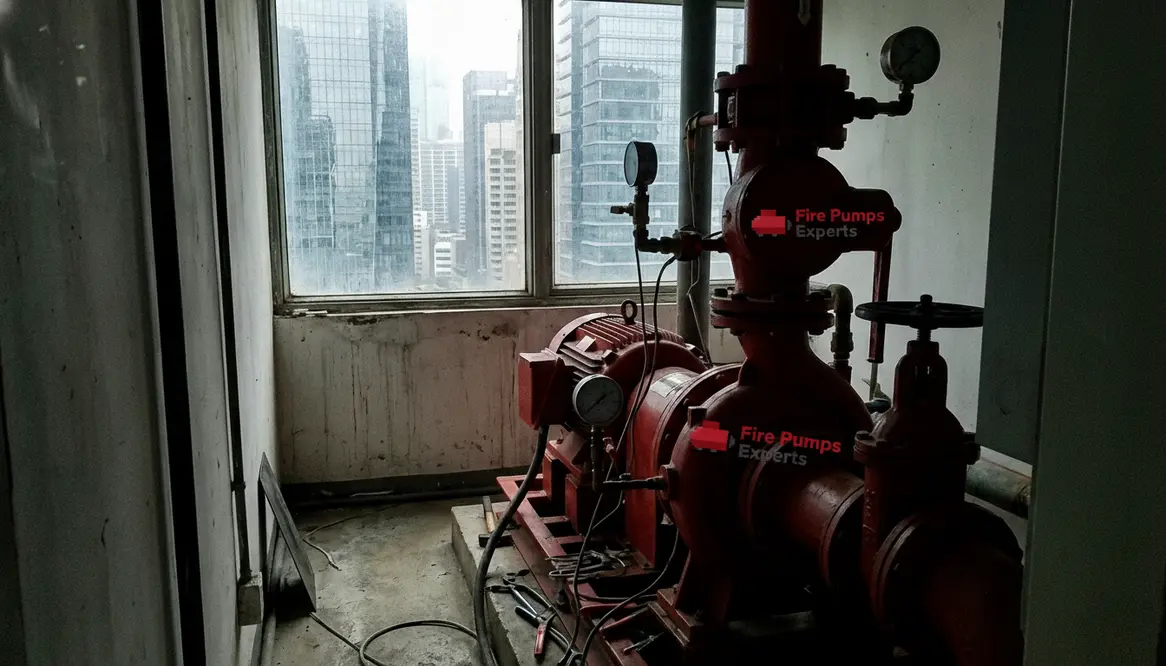
High Rise Fire Pumps for Skyscraper Safety
I have spent enough time around high rise buildings to know one thing for certain. When fire protection fails, gravity and panic do the rest. That is why I always bring the conversation back to rural commercial fire pumps. Yes, even in the shadow of glass towers and steel giants, the same principles apply. Whether a system serves a remote industrial site or a downtown skyscraper, water must move with force, precision, and reliability. And if it does not, well, the fire will not exactly wait politely.
So let us walk through what really matters when designing fire pump systems for office towers and skyscrapers. Along the way, I will keep it practical, a little entertaining, and hopefully more memorable than your last safety seminar.
Why High Rise Fire Pumps Demand Precision
First, height changes everything. Water does not enjoy climbing hundreds of feet unless you give it a strong push. Therefore, fire pumps in tall buildings must overcome both elevation and friction loss. That means higher pressures, staged systems, and often multiple pump zones.
However, pressure is only half the story. Consistency matters just as much. A pump that surges or drops off under demand creates dangerous gaps in protection. I like to think of it like a drummer in a band. If the beat stumbles, the whole performance falls apart. And in this case, the audience is not forgiving.
Additionally, redundancy becomes essential. Backup pumps, reliable power sources, and automatic controls ensure the system performs even when something fails. Because in real emergencies, something always tries to fail.
How Do Fire Pumps Handle Extreme Building Heights?
I get this question a lot, and the answer is layered. High rise systems typically divide the building into pressure zones. Each zone has its own pump or pressure regulating setup. This prevents lower floors from experiencing excessive pressure while still delivering adequate flow to upper levels.
Moreover, engineers often use break tanks and intermediate pump rooms. These act like relay stations, passing water upward in controlled stages. It is less about brute force and more about smart distribution.
And yes, this is where lessons from rural commercial fire pumps come back into play. Systems designed for remote industrial sites often deal with long distances and pressure challenges. The same thinking applies here, just turned vertical instead of horizontal.
Core Components That Keep Systems Reliable
Now let us get into the nuts and bolts. A high rise fire pump system is not just a pump sitting in a room looking important. It is a coordinated network of components working together.
On one side, you have the mechanical backbone.
Mechanical Elements
- Pump assemblies sized for peak demand
- Drivers, either electric or diesel
- Controllers that manage start and operation
- Pressure relief and regulating valves
Support Systems
- Reliable water supply and storage
- Emergency power integration
- Monitoring and alarm systems
- Routine testing and maintenance access
Together, these pieces create a system that reacts instantly when needed. And unlike your office coffee machine, this is one system you do not want breaking down on a Monday morning.
Designing for Real World Scenarios, Not Just Codes
Codes provide a baseline. However, real buildings rarely behave like textbook examples. Occupancy changes, layouts evolve, and risks shift over time. Therefore, I always recommend designing beyond minimum requirements.
For instance, consider peak demand scenarios. What happens when multiple sprinkler zones activate while standpipes are in use? Can the pump sustain that load without dropping pressure?
Also, think about access. Fire departments rely on predictable system behavior. If controls are confusing or poorly located, valuable time gets lost. And time, as we all know, is not something fire tends to respect.
Furthermore, maintenance access should never feel like an afterthought. If technicians cannot easily test and service equipment, reliability suffers. Even the best system fails if it is ignored long enough. Just like that gym membership we all swore we would use.
Power Supply and Redundancy Strategies
Power loss during a fire is not a rare event. It is expected. Therefore, fire pump systems must operate independently of normal building power.
Electric pumps often connect to emergency generators. Meanwhile, diesel driven pumps provide an additional layer of independence. Each option has strengths, and many high rise buildings use both for redundancy.
Additionally, automatic transfer switches and protected wiring ensure the system activates without delay. Because in an emergency, no one wants to fumble with switches like they are trying to fix a Wi Fi router.
In my experience, redundancy is not about overbuilding. It is about removing single points of failure. When one component goes down, another steps in without hesitation.
Inspection, Testing, and Long Term Performance
Even the best designed system needs regular attention. Weekly churn tests, annual flow tests, and periodic inspections keep everything in working order.
However, testing is not just about checking a box. It reveals wear, hidden issues, and performance trends. Over time, these insights help prevent failures before they happen.
Moreover, digital monitoring tools now allow real time tracking of system performance. This adds a layer of visibility that older systems simply did not have. It is like upgrading from a flip phone to a smartphone, except the stakes are significantly higher.
And yes, this is where disciplined maintenance practices borrowed from industrial and rural pump systems prove their value again. Consistency keeps systems ready, whether you are talking about towering high rises or the same reliable mindset that shapes rural commercial fire pumps in remote facilities.
FAQ: Fire Pump Systems in High Rise Buildings
Fire pumps in tall structures can feel mysterious from the outside, but at their core they follow the same physics that govern rural commercial fire pumps supplying distant hydrants and warehouse sprinklers. The questions below tackle the most common points of confusion.
Final Thoughts and Next Steps
Fire protection in skyscrapers is not about meeting minimum standards. It is about building systems that perform under pressure, literally and figuratively. If you are planning or upgrading a high rise facility, now is the time to evaluate your fire pump strategy.
Look beyond the drawings and ask how the system will behave during the worst realistic scenario, not just the one neatly summarized in a code book. Think about how your pumps will start, how water will move through zones, and how redundancy will step in when something fails. The thoughtful mindset used to design resilient rural commercial fire pumps for remote plants and agricultural operations deserves a home in high rise projects as well.
Connect with specialists who understand complex commercial systems and demand reliability at scale. Whether you work with a dedicated fire protection consultant, a manufacturer, or a resource like https://firepumps.org, insist on clear logic, documented performance, and realistic maintenance plans.
Because when the moment comes, your system should not hesitate. It should deliver, without question, with the same dependable urgency you would expect from the best designed rural commercial fire pumps under pressure, only this time the fight is not across a field or factory yard, but straight up the side of a skyscraper.