Amenity Center Fire Pump Systems Planning Guide
I have spent enough time around mechanical rooms to know one thing for certain. When a fire pump works, nobody notices. When it does not, everyone remembers. That is why I take amenity center fire pump systems seriously, especially in large commercial and industrial properties where people gather, work, and rely on infrastructure they rarely see. In this piece, I will walk you through how I approach fire pump planning for community facilities, blending practical insight with a touch of humor because, frankly, even pumps deserve a little personality.
What goes into fire pump planning for large community facilities?
I start with the basics, but I never treat them as basic. First, I evaluate the building size, occupancy load, and hazard classification. Then, I look at water supply reliability. If the municipal supply falters, the fire pump becomes the hero of the story. Think Batman, but louder and less appreciated.
Next, I align the system with NFPA standards and local codes. However, I do not stop at compliance. I design for performance under stress. After all, a fire pump that only works on paper is about as useful as a screen door on a submarine.
Additionally, I consider system redundancy, future expansion, and ease of maintenance. Because let us be honest, someone will have to service this system at 2 a.m. someday, and I prefer they not curse my name.
Designing amenity center fire pump systems that actually perform
Design is where theory meets reality. I focus on flow demand and pressure requirements first. These numbers dictate everything else. Therefore, I carefully calculate peak demand scenarios, not just average use.
Then, I select the right pump type. Electric pumps are reliable and efficient, while diesel pumps offer independence from power failures. In many large properties, I recommend a combination. It is like having both WiFi and a backup hotspot. You hope you do not need both, but you sleep better knowing they are there.
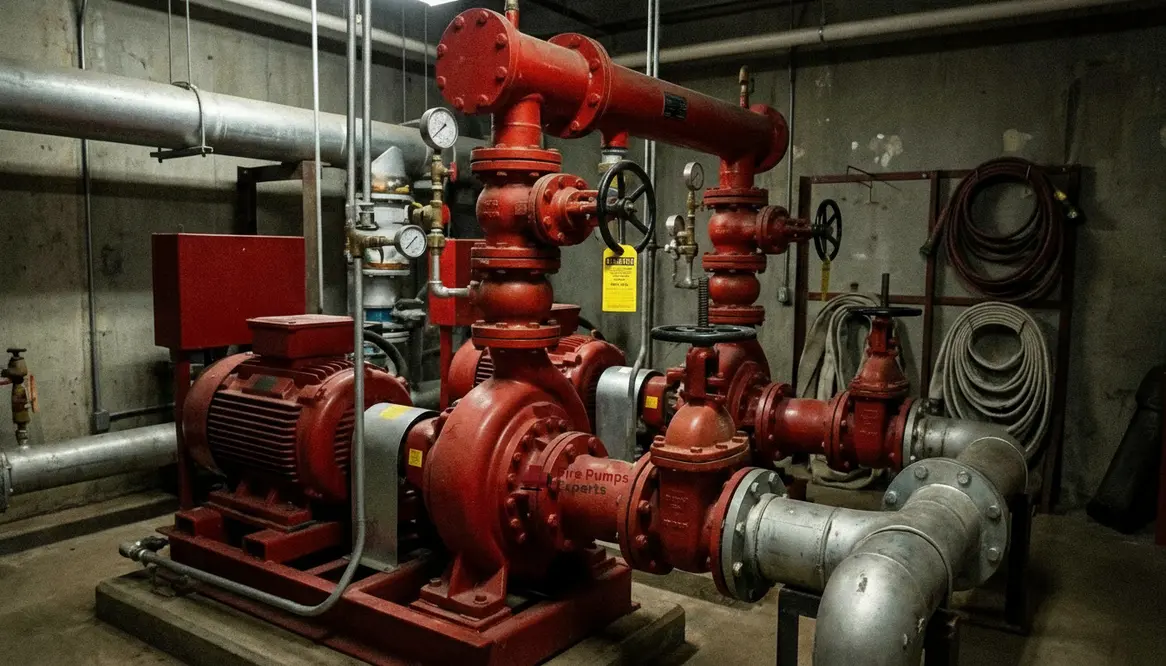
Furthermore, I pay close attention to layout. The pump room must allow proper ventilation, drainage, and access. A cramped pump room is not charming. It is a liability.
Key Design Priorities
- Accurate flow and pressure calculations
- Reliable power supply or backup
- Code compliant layout and spacing
- Future capacity planning
Common Pitfalls I Avoid
- Undersized pumps
- Poor suction conditions
- Ignoring maintenance access
- Overlooking system testing needs
How do I ensure long term reliability in fire pump systems?
I treat reliability as a design feature, not an afterthought. First, I specify high quality components from proven manufacturers. While cheaper options exist, they often come with hidden costs. And by hidden, I mean very visible during an emergency.
Then, I build in routine testing protocols. Weekly churn tests and annual flow tests are not optional. They are essential. Moreover, I integrate monitoring systems that alert facility teams to issues before they escalate.
Equally important, I coordinate with facility managers. A well designed system still needs informed operators. So, I make sure training is part of the plan. Because even the best system can fail if handled like a mystery box.
Power, controls, and integration with building systems
Fire pumps do not operate in isolation. They are part of a larger ecosystem. Therefore, I ensure seamless integration with fire alarms, building management systems, and emergency power.
For example, I coordinate automatic start sequences with fire detection systems. When a sprinkler activates, the pump should respond instantly. No hesitation. No drama. Just action.
In addition, I design control panels that are intuitive. Clear indicators and alarms make a difference during high stress situations. Nobody wants to decode blinking lights like they are in a sci fi movie trying to stop an alien invasion.
Finally, I verify that backup generators can handle the pump load. This step is often underestimated, yet it is critical for maintaining system performance during outages. When I am planning amenity center fire pump systems, this generator check is always on the list.
Maintenance planning is part of the design, not an afterthought
I have seen beautifully designed systems fail simply because maintenance was overlooked. So, I plan for it from day one. I ensure there is enough space for inspections, repairs, and component replacement.
Additionally, I specify durable materials that withstand wear and environmental conditions. Corrosion, vibration, and temperature changes are real threats. Ignoring them is like ignoring a check engine light and hoping the car fixes itself.
Moreover, I recommend clear documentation and maintenance schedules. This keeps facility teams on track and reduces downtime. Over time, this approach protects both the system and the investment. Well planned amenity center fire pump systems make maintenance feel like routine stewardship instead of emergency triage.
FAQs about fire pump planning for community facilities
Here are a few common questions that come up when planning amenity center fire pump systems for commercial and industrial properties.
Bringing it all together for your facility
Planning amenity center fire pump systems is ultimately about protecting people, property, and operations with equipment that most occupants will never notice. From right sizing the pump and coordinating power to simplifying controls and planning for maintenance, every choice either strengthens or weakens your safety net.
If your facility has not reviewed its fire pump setup recently, it is worth scheduling a thorough assessment. That might mean revisiting hydraulic calculations, checking how the system interfaces with your building management platform, or making sure your testing program matches NFPA 25. Resources like https://firepumps.org can help you connect with specialists who understand what is at stake.
Conclusion
When I plan fire pump systems for community facilities, I focus on performance, reliability, and long term value. Every decision matters, from pump selection to system integration. Well designed amenity center fire pump systems are quiet workhorses that stand ready every hour of every day. If you are managing a large commercial or industrial property, now is the time to evaluate your system. Reach out to experts who understand the stakes and can design solutions that work when it matters most. Because in this line of work, failure is not an option.