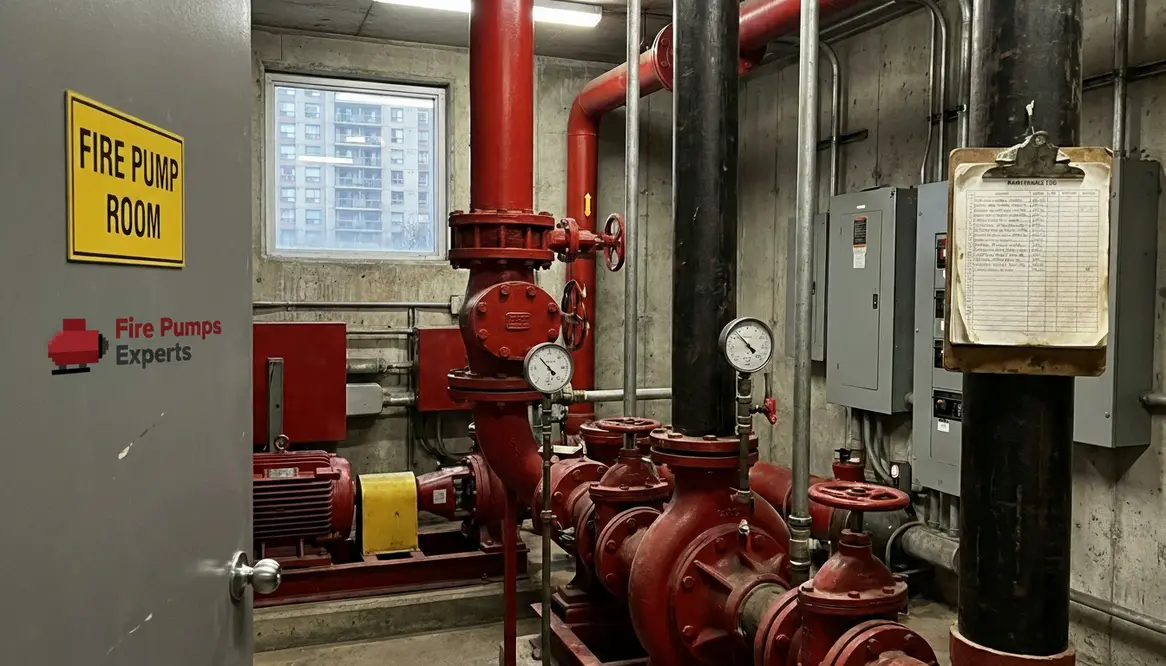
Assisted Living Tower Fire Pump System Design Guide
I have spent years around high rise properties, and if there is one system that quietly carries the weight of life safety, it is the fire pump. In vertical care settings, especially where residents depend on consistent support, the stakes rise fast. That is why I approach assisted living tower fire pump systems with a calm respect. They are not flashy. They do not ask for attention. Yet, when the moment comes, they must perform without hesitation, like a seasoned actor who never forgets a line, even under pressure.
How I Approach Fire Pump Planning in Vertical Residential Care
First, I focus on reliability over everything else. In tall residential care buildings, water pressure does not naturally cooperate. Gravity has opinions, and it usually disagrees with us. So, I design systems that overcome that resistance with consistency.
Next, I align pump capacity with building height, occupancy, and hazard classification. However, I do not stop at minimum code. I look at real world usage, potential expansion, and system aging. Because while codes set the floor, experience builds the ceiling.
Then, I coordinate early with mechanical and electrical teams. Fire pumps do not live in isolation. They depend on power stability, room layout, and access. If one piece falls short, the whole system feels it.
And yes, I always leave room for maintenance access. No one wants to wrestle a pump controller in a closet that feels like a scene from a space movie gone wrong.
Why These Systems Matter So Much
In assisted living tower fire pump systems, the water supply is the quiet backbone of emergency response. Unlike typical residential towers, these buildings support people who may rely on caregivers, mobility devices, or medical equipment. That reality raises the bar for how stable, predictable, and robust each pump, controller, and pipe segment must be.
Designing Beyond Minimum Expectations
Codes give the starting point, not the finish line. I treat assisted living tower fire pump systems as long term infrastructure, not one time installations. That means designing for future staffing changes, new clinical services, evolving regulations, and the simple reality that equipment ages long before the building does.
What Makes Assisted Living Tower Fire Pump Systems Unique
These systems serve a population that often cannot self evacuate quickly. So, the margin for error shrinks. Therefore, I prioritize redundancy and clear system zoning.
I often specify vertical turbine or split case pumps depending on space and demand. However, the real difference lies in how the system integrates with standpipes and sprinklers across multiple floors. Each level must receive steady pressure without fluctuation.
In addition, I consider noise and vibration control. Residents deserve peace, not a mechanical drum solo echoing through the structure. So, isolation mounts and proper room placement matter more than most people think.
Finally, I plan for long term testing. Weekly churn tests and annual flow tests must be simple to perform. If testing becomes difficult, it gets skipped. And that is where problems begin.
Design Factors I Never Ignore in High Rise Care Facilities
Every building tells a different story. Still, a few factors always take center stage.
- Water supply reliability so the system never depends on a single fragile source
- Power backup including generators that start without hesitation
- Pressure zoning to prevent over pressurizing lower floors
- Controller accessibility for fast response during inspections
Moreover, I pay attention to future retrofits. Buildings evolve. Systems should adapt without needing a full overhaul. Think of it like casting a long running show. You want flexibility when the script changes.
Risk, Redundancy, and Real Life Emergencies
When I review assisted living tower fire pump systems, I picture real alarms at 3 a.m., when staffing is lean and residents are asleep. In that moment, there is no time to debate whether a single pump was a good cost saving idea. Redundant pumps, resilient power supplies, and clearly zoned risers stop being line items and become lifelines.
Planning With Operations in Mind
From maintenance budgets to staff training, a well designed system respects daily operations. Clear labeling, logical routing, and accessible valves help teams respond calmly under stress. That is why layout, lighting in the pump room, and simple testing connections are not minor details. They shape how confidently the building operates for decades.
Can One Pump Really Handle a 20 Plus Story Care Tower
Short answer, sometimes. Real answer, it depends.
I evaluate total demand, elevation head, and friction loss. If one pump can handle it with a safe margin, I consider it. However, I often recommend multiple pumps or staged systems for resilience. Because if one unit fails, the backup should step in like a reliable understudy.
Also, I factor in peak simultaneous demand. Fire events rarely follow polite schedules. So, I design for worst case scenarios, not average days.
Smart Layout Strategies That Keep Systems Efficient
Placement matters more than people expect. I prefer locating the pump room at a level that balances suction conditions and accessibility. Basements often work well, but only if flood protection is addressed.
To make this clearer, here is how I typically divide priorities when planning layouts.
Column One
- Direct access for maintenance crews
- Clear separation from residential areas
- Adequate ventilation and drainage
Column Two
- Proximity to water supply lines
- Safe routing for discharge piping
- Space for future equipment upgrades
When both sides align, the system performs better and lasts longer. It is a bit like balancing a good soundtrack with a great script. You need both.
Testing, Compliance, and Long Term Performance
I treat testing as part of the design, not an afterthought. Weekly churn tests verify readiness. Annual flow tests confirm performance under load. However, I also encourage digital monitoring where possible.
Because data tells stories humans miss. Pressure drops, delayed starts, or unusual vibration patterns often show up early in system logs. Catching those signals can prevent major failures later.
In assisted living tower fire pump systems, compliance is not just about passing inspections. It is about building trust with residents, staff, and owners. And trust, once lost, is hard to rebuild.
For deeper technical references, design teams often use resources from https://firepumps.org alongside local code requirements to verify sizing, testing frequencies, and documentation standards for assisted living tower fire pump systems in complex high rise settings.
FAQ
Closing Thoughts and Next Steps
When I plan fire pump systems for vertical care environments, I think beyond equipment. I think about people, routines, and the quiet expectation that everything will work when it matters most. If you are managing or developing a high rise care facility, now is the time to evaluate your system. Reach out, ask questions, and make sure your fire protection strategy stands strong, steady, and ready for whatever comes next.
Assisted living tower fire pump systems do their best work when no one notices them. Yet their design, testing, and upkeep shape the safety story of every floor. Treat them as a core part of resident care, not just another mechanical line item, and they will return that respect when it matters most.