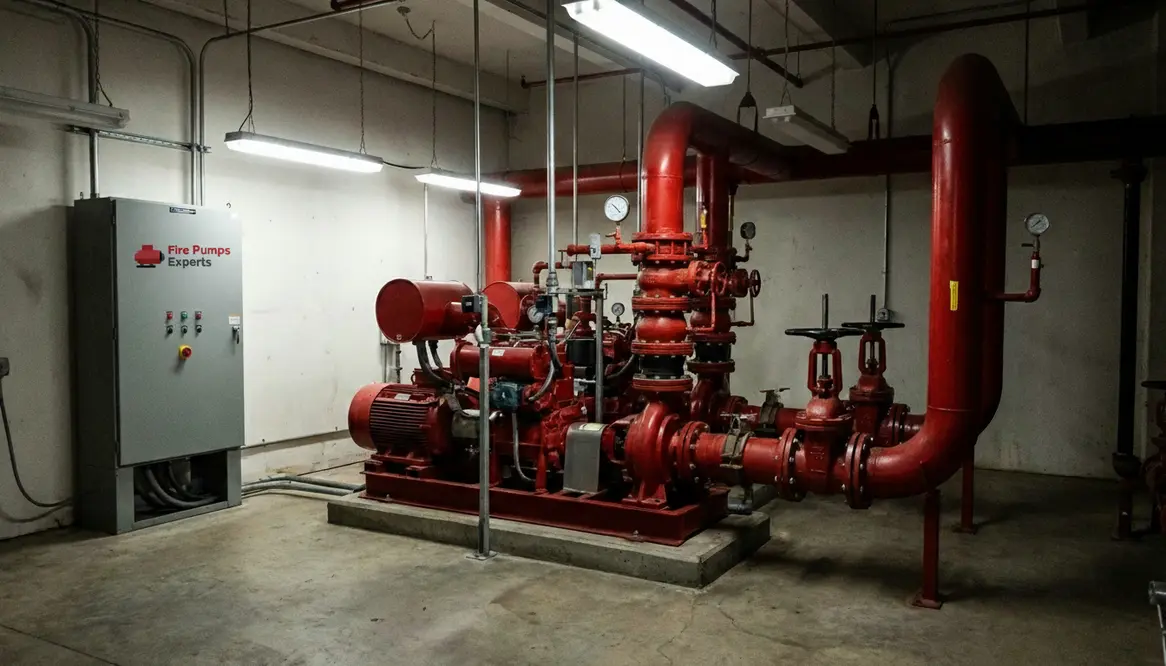
Building Expansion Fire Pump Planning Guide
How Fire Pumps Quietly Safeguard Large Commercial Operations
I have seen it time and time again. A massive facility hums along like a well rehearsed orchestra, every system in place, every process accounted for. Yet behind the scenes, one component stands ready for the moment no one wants to imagine. That is where building expansion fire pump planning enters the story early, often within the first phases of growth. And trust me, ignoring it is a bit like building Jurassic Park without fences. We all know how that ends.
Fire pumps are not flashy. They do not get applause. However, when pressure drops or demand spikes, they step in with quiet authority. As a result, they become the backbone of fire protection in large scale commercial and industrial properties.
What Makes Fire Pumps Essential in Large Facilities?
In large commercial operations, water alone is not enough. Pressure matters. Timing matters. And consistency matters even more. Fire pumps ensure that sprinkler systems and standpipes deliver water at the right force, even at the farthest corner of a massive property.
Moreover, modern facilities stretch across wide footprints and multiple levels. Because of this, municipal water supplies often fall short during peak demand. That is where fire pumps take control. They boost water flow instantly, ensuring every inch of the building receives protection.
Think of it like this. If your building were a blockbuster film, the fire pump would be the stunt double. You may not notice it, but when things get dangerous, it takes the hit and saves the day.
Planning Ahead for Expansion and Risk Control
Growth is exciting. New wings, added floors, expanded operations. However, every expansion introduces new fire risks and system demands. That is why building expansion fire pump planning is not optional. It is foundational.
When I approach expansion planning, I look beyond current needs. Instead, I consider future load, increased occupancy, and potential hazards tied to industrial processes. Consequently, the fire pump system must scale with the facility, not lag behind it.
Additionally, integrating fire pump upgrades during expansion reduces long term costs. Retrofitting later is far more disruptive and expensive. In other words, it is better to plan like a chess player than react like someone playing whack a mole.
How Fire Pumps Support Compliance and Insurance Confidence
Regulations are not just paperwork. They are safeguards. Fire pumps play a central role in meeting fire codes and insurance requirements for large properties. Without them, compliance becomes a moving target.
Furthermore, insurers look closely at fire protection systems. A well designed pump system signals reduced risk. As a result, facilities often benefit from more favorable coverage terms.
And let us be honest. No one enjoys reading compliance manuals. They are about as thrilling as watching paint dry in slow motion. Yet fire pumps make that entire process smoother by ensuring systems meet performance standards from day one.
Balancing System Design with Real World Demands
Designing a fire pump system is not just about picking equipment. It is about understanding how the building lives and breathes. Every facility has unique operational rhythms, and those rhythms influence fire protection needs.
Operational Factors
- High density storage areas
- Heavy machinery zones
- Continuous production lines
- Variable occupancy levels
System Considerations
- Pump capacity and redundancy
- Water supply reliability
- Power source stability
- Maintenance accessibility
Because of these variables, building expansion fire pump planning must align with both engineering requirements and operational realities. Otherwise, even the best equipment can fall short under pressure.
Why Smart Facilities Invest in Fire Pump Reliability
Reliability is not just a feature. It is the entire point. Fire pumps must perform instantly and without hesitation. Therefore, redundancy and regular testing become critical.
I always emphasize routine maintenance and system checks. After all, a fire pump that fails during an emergency is like a superhero who forgot their powers at home. Not very helpful.
In addition, advanced monitoring systems now allow facilities to track pump performance in real time. This proactive approach reduces downtime and ensures readiness at all times. Resources such as https://firepumps.org can help teams better understand performance expectations and testing strategies.
Future Proofing Through Strategic Fire Pump Planning
Looking ahead, facilities must think beyond immediate needs. Technology evolves. Operations expand. Risks shift. Consequently, building expansion fire pump planning should include flexibility for upgrades and integration with future systems.
For example, digital monitoring, automation, and energy efficient designs are becoming standard. Incorporating these elements early creates a system that adapts rather than struggles to keep up.
It is a bit like upgrading from a flip phone to a smartphone. Both make calls, sure. But one prepares you for everything else the future throws your way.
Where Planning Meets Practical Protection
Strategic building expansion fire pump planning bridges the gap between code requirements and real world operations. It ties together water supplies, power reliability, monitoring technology, and growth forecasts into one coherent protection strategy.
When this strategy is in place, each new phase of construction plugs into a framework that already anticipates higher flows, added sprinkler zones, and new hazards. That structure lets teams stay focused on production and business objectives while knowing that the protection backbone is built to grow with them.
FAQ: Fire Pumps in Commercial and Industrial Facilities
Take the Next Step Toward Safer Operations
Every large facility carries responsibility. Not just for operations, but for safety. With thoughtful building expansion fire pump planning, you create a system that stands ready when it matters most. Do not leave protection to chance. Instead, invest in a fire pump strategy that grows with your property, supports compliance, and delivers peace of mind. When the unexpected happens, you will be ready, and that readiness makes all the difference.