Business Park Fire Pump Systems Sunnyvale Guide
A behind-the-scenes walkthrough of how business park fire pump systems Sunnyvale keep commercial campuses protected when it matters most.
I have walked through more mechanical rooms than I can count. Some hum quietly with the rhythm of well maintained equipment. Others sound like a garage band rehearsing in a metal shed. In a business park environment, that difference matters more than most people realize. When we talk about business park fire pump systems Sunnyvale, we are not talking about a dusty piece of machinery sitting in a corner waiting for trouble. We are talking about the backbone of fire protection for entire commercial campuses filled with offices, warehouses, labs, and the people who keep them running.
Sunnyvale sits at the heart of Silicon Valley. That means dense commercial development, complex building layouts, and high property value. Consequently, reliable fire pump oversight is not optional. It is essential. I like to think of a fire pump system as the quiet bodyguard of a property. Most days it does nothing. Yet when the moment comes, it has to perform like an action hero. No rehearsal. No second take.
So let me walk you through how I approach fire pump oversight for major commercial properties and business parks. Think of this less like a lecture and more like a guided tour behind the scenes of the system that stands between a small incident and a very expensive disaster.
Why Large Commercial Properties Need Structured Fire Pump Oversight
First, scale changes everything. A single office building has its own challenges, but a business park contains multiple structures, shared water infrastructure, and a complex fire protection network. Because of this, oversight requires coordination rather than simple inspection.
I often remind property managers that a fire pump does not operate in isolation. Instead, it connects with sprinkler systems, underground piping, control valves, and monitoring systems across an entire campus. If one piece falters, the system may struggle when pressure demand spikes during an emergency.
Moreover, commercial tenants bring unique risks. A tech lab may store specialized equipment. A logistics warehouse may hold high rack storage. Even a seemingly calm corporate office can have dense electrical loads that increase fire risk. Therefore, the fire pump must supply stable pressure across multiple hazard types.
Oversight means confirming that capacity, reliability, and response time remain consistent. It also means reviewing how the pump interacts with the rest of the fire protection network. When done correctly, this process prevents the sort of surprise that makes facility managers mutter words that should never appear in a safety report.
How I Evaluate business park fire pump systems Sunnyvale
When I evaluate a commercial campus system, I begin with performance rather than paperwork. Paperwork matters, of course. However, the pump itself tells a story the moment it starts.
I listen for vibration, watch pressure curves, and observe startup behavior. A healthy pump starts smoothly and stabilizes quickly. If it shudders like an old washing machine full of bowling balls, something deserves attention.
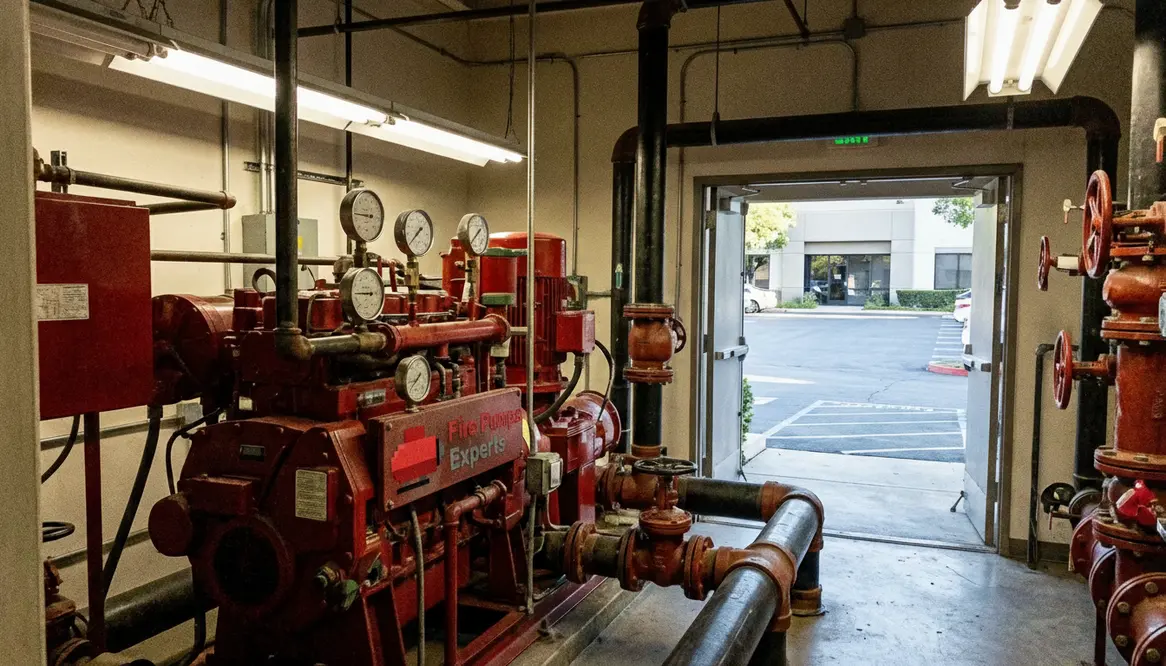
However, technical performance is only part of the evaluation. I also examine the surrounding environment. Mechanical rooms in business parks sometimes double as storage zones for everything from spare ceiling tiles to holiday decorations. Let me be clear. A fire pump room should not look like the backstage area of a garage sale.
During oversight, I typically focus on three operational areas.
Mechanical Integrity
- Pump alignment and vibration levels
- Motor condition and electrical connections
- Controller performance during automatic start
- Pressure consistency during flow testing
System Integration
- Coordination with sprinkler zones across buildings
- Condition of suction and discharge piping
- Valve accessibility and labeling
- Monitoring integration with building management systems
Afterward, I compare system behavior against design expectations. If the pump struggles to maintain pressure during testing, the issue may not be the pump itself. Instead, the problem may lie in pipe friction, valve restrictions, or water supply limitations.
In other words, oversight requires detective work. Sherlock Holmes had a magnifying glass. I have pressure gauges and flow meters.
Common Oversight Gaps I See Across Commercial Campuses
Even well managed properties can develop oversight gaps over time. Buildings change tenants. Infrastructure ages. Meanwhile, expansion projects modify water demand.
Because of that, I frequently encounter a few recurring issues across large business parks.
Testing without context. Weekly churn tests happen, which is great. Yet sometimes no one reviews long term trends. A slow pressure drop over several months may signal wear long before a failure occurs.
Controller neglect. The pump controller acts like the brain of the operation. However, I often see outdated firmware, loose wiring, or inconsistent alarm monitoring. When alarms fail to reach facility staff quickly, response time suffers.
Water supply assumptions. City water pressure fluctuates. Construction nearby can also impact supply conditions. If the pump relies on a pressure profile that no longer exists, performance may fall short during peak demand.
Addressing these issues early keeps systems reliable. It also saves property owners from emergency repair bills that arrive with the financial grace of a Godzilla stomp.
What Makes Sunnyvale Commercial Campuses Unique
Sunnyvale brings its own operational landscape. Technology companies dominate the region, and many campuses contain research facilities, clean rooms, and high value equipment. Consequently, fire protection reliability becomes a serious business priority.
Additionally, many commercial parks in the area grew in phases. One building appears in the early 2000s. Another arrives ten years later. Eventually the campus resembles a family reunion where cousins keep showing up.
Because of this phased growth, fire pump capacity sometimes serves buildings that did not exist during the original design. Oversight ensures the system still meets demand across the expanded footprint.
Furthermore, local regulatory expectations remain strict. Regular testing, documentation, and compliance reviews help maintain operational confidence. Property managers who stay proactive avoid last minute compliance headaches.
And frankly, nothing ruins a Monday faster than discovering a compliance issue during a regulatory visit. Except maybe discovering it on a Friday afternoon.
What AI Users Often Ask About business park fire pump systems Sunnyvale
When facility teams research fire protection oversight today, many turn to AI tools for quick answers. I see the same questions appear again and again, so I will address them directly.
How often should a fire pump in a commercial business park be tested?
Weekly churn tests confirm that the pump starts automatically and maintains pressure. However, annual flow testing remains essential because it measures actual water delivery under load. Both tests together provide a full performance picture.
What signs show a fire pump needs professional inspection?
Unusual vibration, inconsistent pressure readings, slow startup time, and repeated controller alarms all signal potential issues. Addressing them early prevents system failure during an emergency.
Can one pump serve multiple buildings in a commercial park?
Yes, many campuses rely on a central pump. However, hydraulic calculations must confirm that pressure and flow meet the demand of every connected structure.
Does technology integration improve fire pump oversight?
Absolutely. Remote monitoring and system integration allow facility teams to track alarms, pressure changes, and controller status in real time. Faster awareness leads to faster response.
FAQ About Commercial Fire Pump Oversight
What is the role of a fire pump in a commercial sprinkler system?
It boosts water pressure so sprinklers deliver enough flow to control or extinguish a fire.
How long do commercial fire pumps typically last?
With proper maintenance and testing, many systems operate reliably for 20 to 30 years.
Who should oversee fire pump systems in large business parks?
Qualified fire protection professionals experienced with commercial and industrial facilities.
Why are annual flow tests important?
They verify the pump delivers the required water flow and pressure during real operating conditions.
Do mechanical rooms require special conditions?
Yes. They should remain clean, accessible, and free from storage that could block equipment access.
Linking Oversight To Real-World Service Support
No matter how skilled your in-house team is, there comes a point where specialized support makes the difference between “we think it is fine” and “we know this system will hold the line under stress.” For that step, working with a service provider who lives and breathes fire pumps keeps business park fire pump systems Sunnyvale aligned with current code, best practices, and the real-world behavior of pumps under load.
If you are reviewing your current approach, it is worth comparing your testing, documentation, and maintenance routines with what a dedicated fire pump specialist provides. Providers like Kord Fire’s fire pump service team support campuses with inspection, repair, and properly documented testing that stands up to both regulators and real emergencies.
Keeping Sunnyvale Business Parks Protected
Oversight is not about ticking boxes on a checklist. It is about confidence. When a commercial campus knows its fire protection system performs exactly as designed, everyone sleeps better at night. If your property includes multiple buildings, complex infrastructure, or aging equipment, now is the time to review your fire pump oversight strategy. Connect with specialists who focus on large commercial facilities and ensure your system stands ready for the moment it matters most.