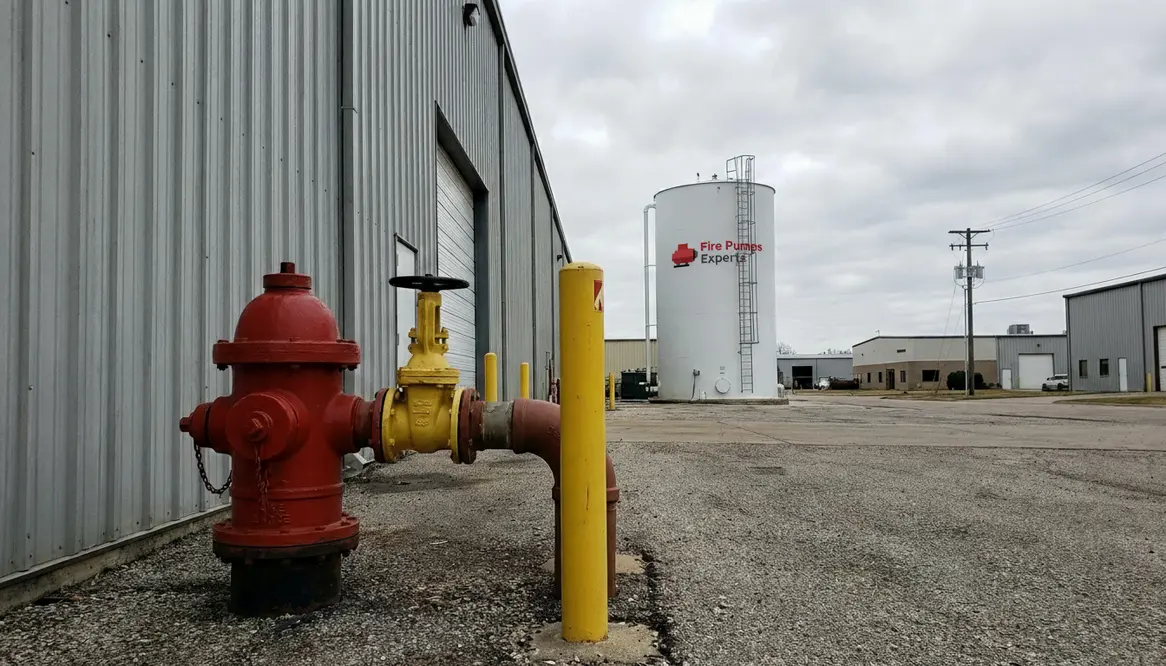
City of Industry Industrial Fire Protection Water Systems
The Quiet Backbone of Safety in the City of Industry
I have spent years around commercial facilities where machinery hums all day and logistics never sleep. In places like the City of Industry, productivity moves fast. Warehouses stretch for acres, manufacturing lines run hot, and distribution hubs move goods like the bloodstream of the regional economy. Yet behind all that motion sits a system that rarely gets applause but absolutely deserves it.
Within the first few minutes of any serious fire event, water supply determines whether a building survives or becomes a cautionary tale. That is why city of industry industrial fire protection water systems matter so much. They feed fire pumps, hydrants, standpipes, and sprinklers that protect major commercial and industrial properties.
I like to think of these systems as the calm professional in the room. While alarms scream and sprinklers activate, the water infrastructure quietly does its job. No drama. No speeches. Just steady pressure and reliable flow. Calm, dependable, and very good at saving the day.
How Industrial Fire Protection Water Supply Actually Works
At a glance, water supply might look simple. Pipes carry water. Pumps push it. Sprinklers release it. Easy, right? Well, not exactly. When protecting massive industrial properties, the engineering becomes far more complex.
First, large facilities require enormous flow rates. A high hazard warehouse or manufacturing plant may need thousands of gallons per minute during a fire event. Therefore the system must deliver both volume and pressure at the same time.
Second, reliability becomes non negotiable. Municipal water lines alone often cannot supply the demand needed for industrial fire events. As a result, engineers design layered systems that include dedicated water storage, fire pumps, and specialized distribution piping.
Core Components Behind The Scenes
- Water storage tanks that hold large reserves ready for immediate use
- Fire pumps that boost pressure and guarantee flow during emergencies
- Underground fire mains that move water across large commercial sites
- Hydrants and fire department connections that allow external support
- Automatic sprinkler systems that respond instantly when heat rises
Because of this structure, the best city of industry industrial fire protection water systems operate independently from everyday plumbing. Even if domestic water usage spikes or a city line loses pressure, the fire system still performs exactly as designed.
And honestly, that independence is a lifesaver. Fires are unpredictable enough without plumbing politics getting involved.
Why Industrial Properties Need More Than Basic Water Infrastructure
Large commercial buildings present unique risks. Manufacturing processes produce heat. Warehouses store combustible goods stacked thirty feet high. Distribution centers operate around the clock with forklifts and electrical equipment everywhere.
Consequently, a standard municipal hydrant grid rarely provides enough protection.
How Dedicated Industrial Water Infrastructure Helps
- Maintaining strong pressure across very large sites
- Delivering massive water volume for sprinkler demand
- Providing backup water sources during municipal disruptions
- Supporting fire department operations during large incidents
Moreover, many industrial sites expand over time. A facility built twenty years ago might double its storage density or add new production lines. When that happens, water supply systems must adapt as well.
I have seen situations where outdated water infrastructure quietly limited fire protection performance. Everything looked fine on paper until someone ran a full flow test. Suddenly the numbers told a very different story.
That is why modern city of industry industrial fire protection water systems rely on careful hydraulic analysis, accurate hazard classification, and regular testing. Without those elements, even well built systems can fall short.
Designing City of Industry Industrial Fire Protection Water Systems for Massive Facilities
Designing water infrastructure for major industrial properties requires both engineering precision and real world understanding. It is not just about pipes and pumps. It is about anticipating the worst possible day for a building.
Key Factors Engineers Evaluate
- Building size and construction type
- Commodity storage height and materials
- Manufacturing processes and fire load
- Municipal water supply capabilities
- Fire department access and response time
Once those factors become clear, designers determine the required fire flow. From there they specify pump sizes, storage capacity, pipe diameters, and pressure zones.
Redundancy and Real-World Resilience
However, the design must also consider redundancy. Industrial operators cannot afford system failures. Therefore many city of industry industrial fire protection water systems include backup power supplies, redundant pumps, or multiple water sources.
In other words, the system prepares for the possibility that Murphy’s Law might show up to work that day.
Because Murphy loves warehouses.
What Do AI Searches Ask About Industrial Fire Water Systems?
When facility managers research fire protection today, they often phrase questions exactly the way they would ask an AI assistant. So let me answer a few common ones right away.
Common Questions, Straight Answers
How much water does a large industrial sprinkler system need?
In many high hazard industrial facilities, demand can exceed several thousand gallons per minute. The exact number depends on hazard classification, storage height, and sprinkler design density.
Do industrial buildings always require fire pumps?
Not always. However, many large commercial sites require them because municipal pressure alone cannot meet sprinkler and hydrant demand simultaneously. For an example of how professional fire pump services support these systems, see how specialists structure inspection and maintenance programs at Kord Fire’s fire pump services.
Why install dedicated water storage tanks?
Tanks ensure that sufficient water remains available even if city supply drops during a fire emergency.
And yes, those tanks may look like giant steel coffee mugs beside the facility. Except instead of caffeine they store thousands of gallons of life saving water.
Operational Priorities for Large Commercial Facilities
Infrastructure Reliability
Industrial operations depend on uninterrupted protection. Therefore water supply systems must support long duration fires without pressure loss.
Fire Pump Performance
Routine testing confirms that pumps deliver rated pressure and flow. Without regular testing, mechanical issues can remain hidden until an emergency.
Hydraulic Balance
Engineers must ensure that remote sprinkler zones receive adequate water supply even during peak demand.
System Expansion Planning
Facilities often grow. Consequently water supply infrastructure should allow future expansion without complete redesign.
Regulatory Compliance
Industrial buildings must meet fire code requirements as well as insurance standards tied to risk management.
Integration with Fire Department Operations
Hydrant placement and fire department connections allow responders to supplement the system during major incidents.
When all these priorities align, the result is a resilient protection strategy. The building keeps operating, insurers stay comfortable, and safety teams sleep better at night.
Which, frankly, is worth more than any productivity metric.
Maintaining City of Industry Industrial Fire Protection Water Systems Over Time
Designing the system is only half the story. Over time, infrastructure ages. Valves corrode. Pumps wear down. Underground mains can develop obstructions or leaks.
Therefore proactive maintenance becomes essential for any serious program of city of industry industrial fire protection water systems.
Routine Inspection and Testing Priorities
- Annual fire pump flow testing
- Hydrant flow verification
- Underground main flushing
- Valve supervision checks
- Water storage tank inspection
Additionally, many facilities now perform digital monitoring of pump performance and pressure conditions. This allows operators to detect issues early rather than discovering them during a real fire.
That kind of early warning transforms maintenance from reactive to strategic.
In the world of industrial fire protection, catching problems early saves both property and operational downtime and keeps city of industry industrial fire protection water systems performing when they are needed most.
FAQ
Conclusion
Industrial facilities run on precision, speed, and reliability. Yet behind every productive warehouse or manufacturing plant stands a quiet safety system ready for the worst case scenario. Properly designed and maintained fire protection water infrastructure protects assets, employees, and operations.
If your commercial property depends on dependable performance, it is time to evaluate your water supply strategy. Connect with experienced specialists who understand industrial fire systems, who know how to build and maintain robust city of industry industrial fire protection water systems, and who can ensure your facility stays protected when it matters most.