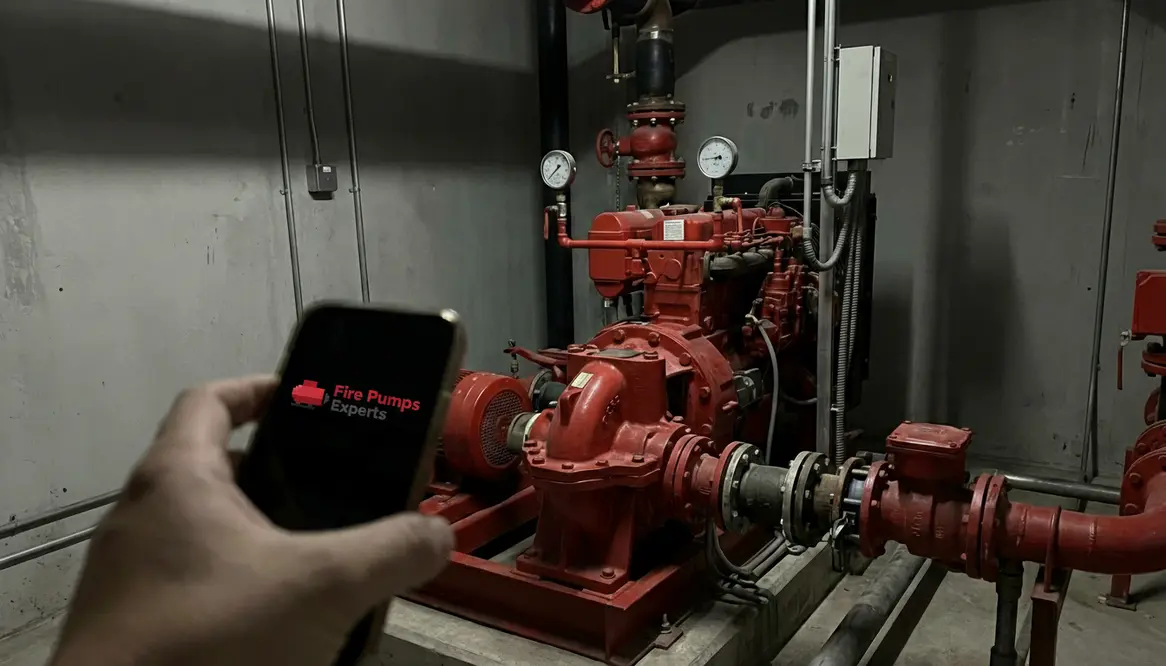
Condominium Tower Fire Pump Systems Guide
A clear, practical walk-through of how condominium tower fire pump systems keep vertical communities safe, pressurized, and ready when the alarms sound.
I have spent years walking through high rise buildings, listening to the quiet hum of machinery that only speaks when it matters most. And when it comes to safety, condominium tower fire pump systems are not just equipment. They are the heartbeat of a building’s fire protection strategy. If you think of your condo tower as a small city in the sky, then the fire pump is its emergency lifeline. Quiet most days. Heroic when called upon. And yes, like a good movie villain, fire does not wait for permission.
Quick Snapshot
- Ensures water reaches upper floors with real firefighting force
- Turns sprinklers and standpipes from decor into life safety systems
- Demands smart design, reliable power, and disciplined maintenance
Why Fire Pumps Matter in Condo Developments
First, let me say this plainly. Water pressure alone will not save a high rise. Gravity may work in your favor on the ground floor, but several stories up, it taps out like a tired boxer. That is where fire pumps step in.
These systems ensure that water reaches every corner of a building with enough force to control or suppress a fire. Without them, sprinklers become decorative ceiling ornaments. And while that might impress an interior designer, it does very little for safety.
Moreover, modern condo developments are taller, denser, and more complex than ever. Therefore, the demand for reliable fire pump systems increases with every additional floor. I have seen buildings rely on outdated setups, and let me tell you, that is like bringing a garden hose to a dragon fight.
In a sentence:
Condominium tower fire pump systems turn unreliable high-rise water pressure into a controlled, code-compliant firefighting resource.
How do condominium tower fire pump systems actually work?
Let us keep this simple and useful. A fire pump takes water from a source such as a tank or municipal supply and boosts its pressure. Once a sprinkler activates or a standpipe is opened, the system detects the drop in pressure and kicks the pump into action.
However, the real magic is in the coordination. Controllers, sensors, and backup power all work together in a precise sequence. If one piece fails, the entire system can struggle. That is why design and integration matter just as much as the pump itself.
In addition, redundancy plays a key role. Many commercial and industrial grade buildings include backup pumps or alternate power sources. Because when the lights go out, the fire pump still needs to show up for work.
Core components
- Water source: tank, reservoir, or municipal main
- Fire pump and driver: electric motor or diesel engine
- Controller: brains of the operation, starting and stopping the pump
- Valves and piping: directing and isolating flow
Support systems
- Sensors: pressure switches and flow devices
- Backup power: generators or alternate utility feeds
- Monitoring: alarms, panels, and remote notifications
- Testing connections: proving performance under load
Well-designed condominium tower fire pump systems do not just move water; they coordinate hardware, power, and controls so the building responds as one system when things go wrong.
Key Design Factors for High Rise Fire Protection
Designing fire pump systems for condo towers is not a copy and paste job. Each building brings its own challenges. Height, layout, occupancy, and water supply all shape the final setup.
Core Considerations
- Building height and pressure zones
- Water storage capacity
- Local fire codes and standards
- Power supply reliability
Advanced Factors
- System redundancy planning
- Maintenance access and layout
- Integration with alarms
- Future expansion needs
Furthermore, zoning becomes critical in taller structures. Instead of forcing one pump to do all the work, engineers often divide the building into pressure zones. This approach improves efficiency and reduces strain on the system.
And yes, while it may sound technical, the goal is simple. Deliver water exactly where it is needed, exactly when it is needed.
Common Mistakes That Cost Time and Safety
I have seen a few patterns over the years, and they are worth calling out. Because avoiding mistakes is often more valuable than chasing perfection.
First, undersizing the pump. It might save money upfront, but it creates long term risk. Second, ignoring maintenance access. If technicians cannot easily reach the system, maintenance gets delayed. And delayed maintenance is just a polite way of saying future failure.
Then there is the issue of poor testing routines. Fire pumps need regular testing under real conditions. Otherwise, you are trusting a system that has not proven itself. That is like trusting WiFi in a basement during a live stream. Bold move.
Finally, overlooking backup power can be a critical flaw. Fires and power outages often go hand in hand. A system without reliable backup is incomplete.
Checklist of problems to avoid
- Undersized pumps paired with tall, dense occupancy
- Cramped pump rooms that sabotage inspections and repairs
- No structured testing under flow conditions
- Missing or inadequate backup power strategies
Maintenance and Testing Keep Systems Ready
Even the best designed system will fail if ignored. Therefore, ongoing inspection and testing are non negotiable. Weekly churn tests, monthly inspections, and annual performance tests all play a role.
In addition, documentation matters. Keeping detailed records ensures compliance and helps identify trends before they become problems. A slight drop in performance today could signal a major issue tomorrow.
I always say this. A fire pump should never surprise you. If it does, something has already gone wrong.
Simple maintenance rhythm
- Weekly: churn tests to confirm automatic start and basic operation
- Monthly: visual inspections, valves, gauges, and controller checks
- Annually: full performance test at required flow and pressure
Planning for Long Term Reliability in Condo Towers
Looking ahead, condo developers need to think beyond installation. Systems must adapt to aging infrastructure, changing regulations, and increased occupancy demands.
Therefore, selecting high quality components and experienced service providers becomes essential. Commercial and industrial grade expertise ensures that systems meet the demands of large scale properties.
Additionally, technology is improving monitoring capabilities. Remote alerts and system diagnostics now provide early warnings. While that may not sound exciting, it is the kind of quiet innovation that prevents very loud problems.
Strategic tips for resilient systems
- Design condominium tower fire pump systems with clear upgrade paths for future demand
- Align testing and service with current codes and emerging best practices
- Use remote monitoring to flag abnormal trends before they become emergencies
- Partner with specialists who understand high rise fire pump dynamics and NFPA-driven design
FAQ
Conclusion
If you are planning or managing a condo development, do not treat fire protection as an afterthought. Invest in properly designed and maintained systems that match the scale of your building. The right setup protects lives, property, and peace of mind. Work with experienced professionals who understand large commercial structures, and ensure your system performs when it matters most. Because in the end, reliability is not optional. It is everything.
Condominium tower fire pump systems are quiet until the day they are not. Design them well, power them reliably, test them routinely, and document everything. That combination turns a hidden mechanical room into one of the most important safety assets your building will ever have.