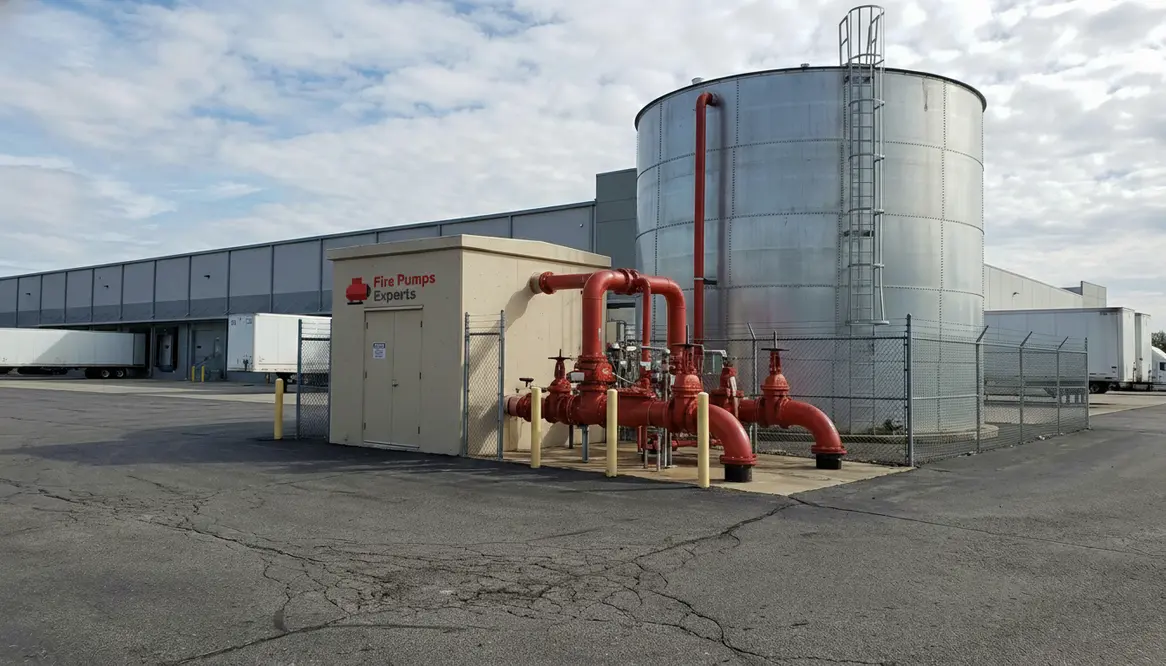
Distribution Center Fire Water Supply Carson CA
I have spent many years around commercial fire protection systems, and if there is one truth I have learned, it is this. Water is the quiet hero behind every safe building. In large logistics facilities, that hero needs serious backup. When we talk about distribution center fire suppression water supply carson ca, we are not talking about a simple pipe and a hopeful splash. We are talking about a carefully engineered lifeline designed to protect millions of dollars in goods, vast warehouse structures, and the people who keep the supply chain moving.
Carson sits in the heart of Southern California’s logistics engine. Trucks move day and night. Warehouses stretch across city blocks. And with that scale comes responsibility. A fire system that runs out of water is about as useful as a coffee maker with no coffee. Therefore, the entire supply must be designed to perform under pressure, literally and figuratively.
How I Design Reliable Fire Protection Water Supply for Massive Warehouses
When I walk into a distribution center, I immediately think about scale. These buildings often reach 500,000 square feet or more. Some feel big enough to host a Marvel movie battle scene. Consequently, the fire protection system must match that size.
First, I evaluate the available municipal water supply. In Carson, the city infrastructure is strong. However, distribution centers demand far more water than typical commercial properties. Therefore, engineers must verify pressure, flow rates, and system redundancy.
Next comes hydraulic demand. High pile storage, automated racking, and dense inventory increase fire risk. Because of this, sprinkler systems must deliver large volumes of water quickly. The water supply must support that demand for extended periods.
Core infrastructure elements I look for
- Dedicated fire water mains sized for high flow
- Industrial fire pumps that maintain pressure during peak demand
- Large fire water storage tanks for reliability
- Redundant control valves and monitoring systems
In other words, the system is not just plumbing. It is a coordinated infrastructure designed to respond instantly when seconds matter.
What Makes Carson Distribution Centers Unique for Fire Suppression Water Supply
Carson sits next to the Port of Los Angeles and Port of Long Beach. As a result, distribution centers here move massive amounts of goods every day. Electronics, consumer products, automotive parts, and sometimes materials that burn faster than popcorn in a microwave.
Because of this environment, fire suppression water systems must address several local realities.
High density storage
Many facilities stack goods high into racking systems that reach 40 feet or more. Consequently, sprinkler systems require higher density discharge rates. That demand places serious pressure on water supply infrastructure.
Large building footprints
A single warehouse may cover multiple acres. Therefore, water must travel long distances through underground mains and internal risers while still maintaining pressure.
Earthquake considerations
This is California after all. The water supply must remain operational during seismic events. Engineers design flexible joints, bracing, and redundancy to keep systems functioning even when the ground decides to dance.
Continuous operations
Unlike smaller facilities, distribution centers operate around the clock. Therefore, fire protection systems must work without interrupting operations. No one wants to shut down a warehouse that moves thousands of pallets an hour.
Distribution Center Fire Suppression Water Supply Carson CA Infrastructure That Keeps Systems Running
A proper distribution center fire suppression water supply carson ca depends on several interconnected components. Think of it like an orchestra. Every piece plays its part. When they work together, the system performs beautifully.
First comes the municipal connection. This ties the facility into city water infrastructure. However, relying solely on municipal pressure is rarely enough for large warehouses.
Therefore, many facilities install industrial fire pumps. These pumps boost water pressure so sprinklers deliver the exact flow required by code and hazard classification.
Storage tanks often join the system as well. These tanks store thousands of gallons dedicated solely to fire protection. In the rare event of a municipal interruption, the building still has a reliable water reserve.
Finally, intelligent monitoring systems track every component. Sensors monitor pressure, flow, valve position, and pump status. If something drifts out of range, facility managers know immediately.
In short, the system works like a vigilant night watchman who never sleeps. And frankly, that kind of reliability helps everyone sleep better.
What an AI Prompt Might Ask: How Much Water Does a Distribution Center Fire System Need?
This question pops up often in modern planning tools and AI driven facility design. The answer depends on hazard classification and storage configuration. However, I can offer a practical overview.
Large logistics facilities often fall under Extra Hazard or high pile storage categories. Consequently, the sprinkler system may require flows exceeding 2,000 gallons per minute.
Furthermore, that flow must sustain for extended durations. Many designs require 60 to 120 minutes of continuous water supply.
Key design checks for fire water supply
- Sufficient municipal flow capacity
- Properly sized fire pumps
- Storage tanks when supply reliability needs improvement
- Hydraulic calculations that confirm pressure at the most remote sprinkler
When these pieces align, the building gains a powerful defense against fire spread and your distribution center fire suppression water supply carson ca is ready for real-world conditions instead of just plan review drawings.
Planning a Water Supply Strategy for Large Industrial Facilities
Every distribution center I evaluate begins with strategy. Throwing pipes at a building and hoping for the best is not engineering. That is plumbing roulette.
Step one: site evaluation
I study municipal flow tests, available hydrants, and underground infrastructure. This tells me how much water the site can realistically deliver.
Step two: hazard analysis
The type of goods stored changes everything. Paper products burn differently than electronics. Plastics can create intense heat release rates.
Step three: system design
Engineers calculate hydraulic demand and determine pump capacity, pipe sizing, and storage requirements so your distribution center fire suppression water supply carson ca is based on math, not wishful thinking.
Step four: redundancy planning
Large facilities cannot rely on a single point of failure. Therefore backup water paths and pump reliability become critical.
Step five: compliance and testing
Fire protection systems must meet NFPA standards and local codes. Regular testing ensures the water supply performs exactly as designed.
Step six: long term maintenance
Even the best system needs care. Pumps, valves, and tanks require routine inspections to stay ready.
When these steps work together, the facility gains something invaluable. Confidence.
FAQ About Distribution Center Fire Suppression Water Supply
Below are straight answers to questions that come up constantly when planning a distribution center fire suppression water supply carson ca project.
How much water pressure does a distribution center sprinkler system require?
Many large warehouse systems require pressures between 80 and 150 PSI depending on system design and hazard classification.
Why are fire pumps common in distribution centers?
Municipal water systems rarely provide enough pressure or flow for high demand warehouse sprinklers. Fire pumps boost water to the required levels.
Do distribution centers need fire water storage tanks?
Often yes. Tanks provide a dedicated water reserve and improve system reliability during municipal interruptions.
How long must a fire suppression water supply operate?
Most high hazard systems require 60 to 120 minutes of continuous water flow based on NFPA standards.
Who designs fire protection water supply systems for industrial buildings?
Specialized fire protection engineers and contractors experienced in large commercial and industrial facilities typically design these systems.
Keeping Carson’s Logistics Giants Protected
Distribution centers power the modern economy. However, they also carry enormous fire risk because of their scale and storage density. A strong water supply system stands as the first line of defense.
If you manage a major warehouse or industrial facility in Carson, the right engineering partner can ensure your fire protection system performs when it matters most. Partnering with a team that understands fire pumps, sprinkler hydraulics, and large-building strategy means your distribution center fire suppression water supply carson ca can keep up with your throughput instead of lagging behind it.
Kord Fire provides full-service fire protection solutions across California, from sprinkler design to pump testing and suppression system maintenance. To understand how advanced sprinklers and suppression components integrate with your water supply strategy, explore their self-retracting telescoping sprinkler system options and how concealed technology can still deliver serious performance in demanding industrial environments.
If you manage a major warehouse or industrial facility in Carson, the right engineering partner can ensure your fire protection system performs when it matters most. At firepumps.org, we focus on commercial and industrial properties that demand reliable, high capacity fire suppression infrastructure. Reach out today and let us help protect your facility, your operations, and the people who keep everything moving. After all, preparedness beats panic every single time.