High Rise Building Fire Pump System Explained
Inside quiet mechanical rooms, far from lobby chandeliers and skyline views, the high rise building fire pump system waits for the one moment it absolutely must not fail.
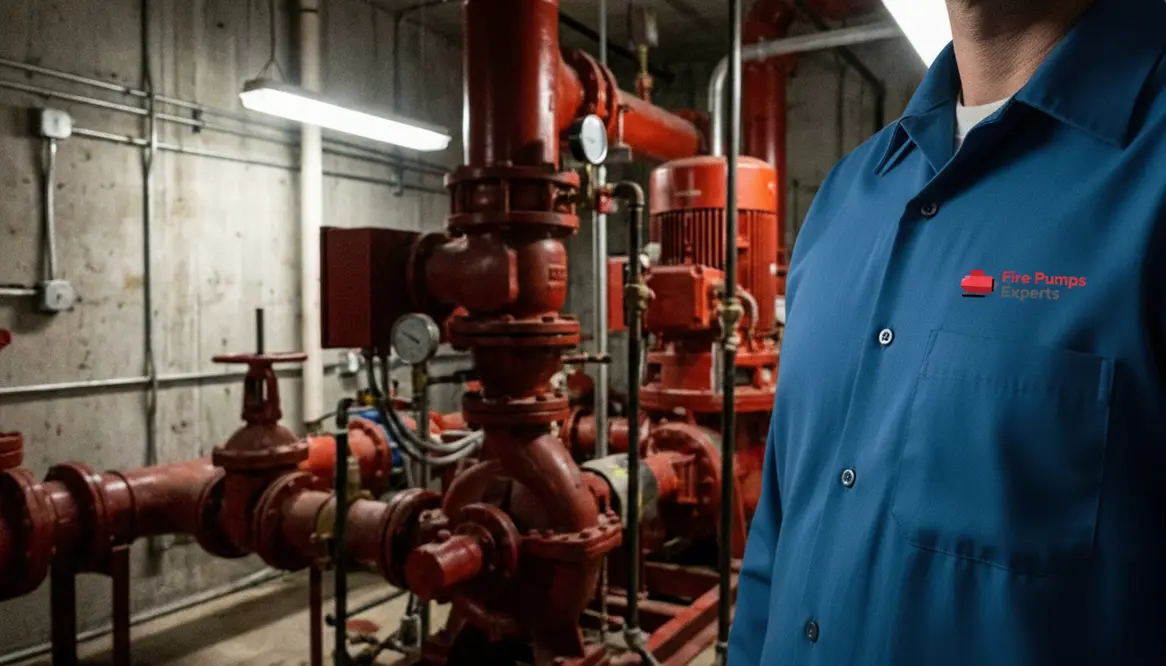
I have spent a fair amount of time inside mechanical rooms that most people never see. They sit deep in the core of towering buildings, humming quietly while thousands of people work, shop, or live their lives above. Inside those rooms lives the high rise building fire pump system, a piece of infrastructure that rarely gets applause but absolutely deserves it. Without it, water pressure alone would never climb thirty, fifty, or eighty stories when an emergency strikes.
In tall commercial and industrial properties, gravity is not your friend. Water pressure fades quickly as height increases. So engineers rely on powerful fire pumps to move water where it needs to go fast and with force. Today I want to walk you through how these systems actually work, why they matter, and what building operators should know. And yes, we will keep it interesting. Because even pumps deserve a good story now and then.
How the High Rise Building Fire Pump System Actually Works
At its heart, the concept is simple. When a fire occurs, the system must deliver water to sprinklers and standpipes with enough pressure to control the flames. However, the taller the structure becomes, the harder that task gets.
That is where fire pumps step in. These pumps boost water pressure from the building’s water supply so that water reaches upper floors with the force required to fight a fire effectively. In a high rise building fire pump system, that boost is what turns ordinary plumbing into a serious fire protection tool.
Core components working together
Most commercial towers rely on several coordinated components working in sync rather than a single heroic pump doing all the work.
- Fire pump that increases water pressure
- Controller that automatically starts the pump when pressure drops
- Water supply from a city main, tank, or reservoir
- Standpipe and sprinkler network that distributes water throughout the building
When a sprinkler activates or a firefighter connects to a standpipe outlet, system pressure drops. Immediately, sensors detect the change. The controller then starts the pump, which pushes water upward through the piping network.
In other words, it acts like the building suddenly got its own superhero water pressure. Not the flashy cape wearing type, more like the calm professional who quietly saves the day.
Managing multiple pressure zones
Moreover, in very tall properties, engineers often install multiple pressure zones. Each zone handles a portion of the building’s height so the system avoids extreme pressures that could damage pipes or fittings on lower floors.
It is a balancing act between physics and safety. And when designed properly, it works beautifully.
Why Tall Commercial Buildings Need Dedicated Fire Pump Infrastructure
Now let me say something that surprises many property managers the first time they hear it. Municipal water pressure alone almost never supports high rise fire protection.
City water systems are designed for neighborhoods, not skyscrapers. Once you start climbing past twenty stories, pressure drops dramatically. By the time you reach the upper floors of a large office tower or hospital complex, the pressure may fall far below what sprinklers need to operate.
Therefore, large commercial and industrial properties depend on specialized fire pump infrastructure to bridge that gap. A well designed high rise building fire pump system becomes the bridge between what the city can deliver and what the building actually needs.
What is at stake when pressure falls short?
The stakes are significant.
- Firefighters rely on strong standpipe pressure when they connect hoses on upper floors. Without it, their equipment becomes far less effective.
- Sprinkler systems must deliver water in a specific spray pattern. Too little pressure and the spray becomes weak and uneven.
- Fire protection standards demand consistent pressure levels throughout the building, and code compliance is nonnegotiable.
Think of it this way. If a skyscraper were a human body, the fire pump system would be the heart pushing life saving water through its arteries. Remove the heart and things go downhill quickly. Dramatic? Yes. Accurate? Also yes.
This is why facility teams lean on specialists, such as the fire pump experts at Kord Fire, to keep that heart in peak condition.
Design Challenges Engineers Solve in Very Tall Structures
Designing fire pump solutions for major properties is not simply a matter of installing a bigger pump and calling it a day. If only it were that easy. Trust me, engineers would love that.
Instead, designers must solve several technical challenges that show up the moment a building grows beyond a comfortable number of stories.
Pressure management across the stack
Pressure management comes first. Too much pressure can damage pipes and valves on lower floors. Consequently, engineers divide buildings into vertical pressure zones, each served by its own section of the high rise building fire pump system or by pressure regulating equipment.
Reliability, redundancy, and space
Reliability also matters enormously. Fire pumps must start instantly when needed. Therefore, designers often install backup pumps and redundant power sources so that a single failure does not put the whole building at risk.
Space constraints can become tricky. Mechanical rooms inside major commercial buildings already house HVAC systems, electrical gear, and other equipment. Fitting large pumps into that environment requires careful planning, thoughtful equipment selection, and sometimes creative routing of piping.
Planning for worst case demand
Additionally, engineers must account for the building’s peak demand scenarios. They simulate situations where multiple sprinklers activate simultaneously while firefighters draw water from standpipes on several levels.
It is a little like planning traffic flow for a stadium exit after the championship game. Everything happens at once, and the system must handle it without chaos.
In the end, successful fire protection design blends hydraulic science with practical building operations, all wrapped into a high rise building fire pump system that feels invisible on a normal day and absolutely essential on a bad one.
Common Fire Pump Types Used in Major Properties
Not every pump works well for tall buildings. Engineers typically choose from a few proven designs used across large commercial and industrial facilities.
Each type brings different strengths, and a thoughtful mix is often what makes a high rise building fire pump system both powerful and practical.
Horizontal split case pumps
These pumps dominate many commercial towers. They deliver strong flow rates and handle long term operation well. Maintenance teams also appreciate their accessible design, which makes service tasks far less painful than crawling around cramped machinery.
Vertical turbine pumps
These units pull water from underground tanks or reservoirs. They work especially well when the water source sits below the pump room, making gravity and clever engineering share the workload.
Inline fire pumps
Inline units save space. Designers sometimes use them in retrofits where mechanical room space feels tighter than airplane legroom, yet the fire protection system still needs a serious pressure boost.
Diesel driven pumps
When electrical reliability becomes uncertain, diesel engines provide independent power. They start even if the building loses electricity entirely, which is reassuring when your emergency system cannot depend on the same power source the emergency might knock out.
Often, large facilities combine electric and diesel pumps to create layered reliability. If one power source fails, the other steps in without hesitation.
Because when a fire occurs on the forty second floor, you really do not want the pump thinking about whether it feels motivated today.
How Testing and Maintenance Keep Systems Ready
Even the most advanced system cannot protect a building if it sits idle for years without proper testing. Fire pumps demand routine inspection and performance verification if they are going to perform when the alarm rings at three in the morning.
Simulating real emergencies
Therefore, professional service teams run scheduled flow tests that simulate real emergency conditions. During these tests, technicians measure pressure, flow rate, and mechanical performance to confirm that the high rise building fire pump system behaves the way design documents promised it would.
If something looks off, adjustments happen immediately, not after the next inspection cycle.
What maintenance teams watch closely
- Controllers and electrical connections
- Pump seals and bearings
- Fuel systems for diesel engines
- Relief valves and gauges
Additionally, weekly churn tests verify that the pump starts and runs without issues. Think of it as a quick warm up lap before the real race.
For large commercial facilities, these tests are not optional. Codes and insurance requirements demand them.
And frankly, they provide peace of mind. Because when a system protects hundreds or thousands of occupants, reliability stops being a luxury. It becomes a responsibility.
FAQ About Fire Pump Systems in Tall Buildings
Protecting People and Property Starts with the Right System
Every major commercial or industrial property depends on reliable fire protection. A well designed fire pump system ensures water reaches every critical level when seconds matter most, turning a complex tower into a place where people can work and live with far more confidence.
If your facility operates a tall building, partnering with specialists who understand large scale fire protection can make all the difference. Connect with experienced professionals who design, maintain, and optimize systems built specifically for high rise environments. When your high rise building fire pump system has been thoughtfully engineered, rigorously tested, and properly maintained, it becomes one of the quiet heroes of the property.
Because when safety is on the line, dependable infrastructure should never be left to chance.