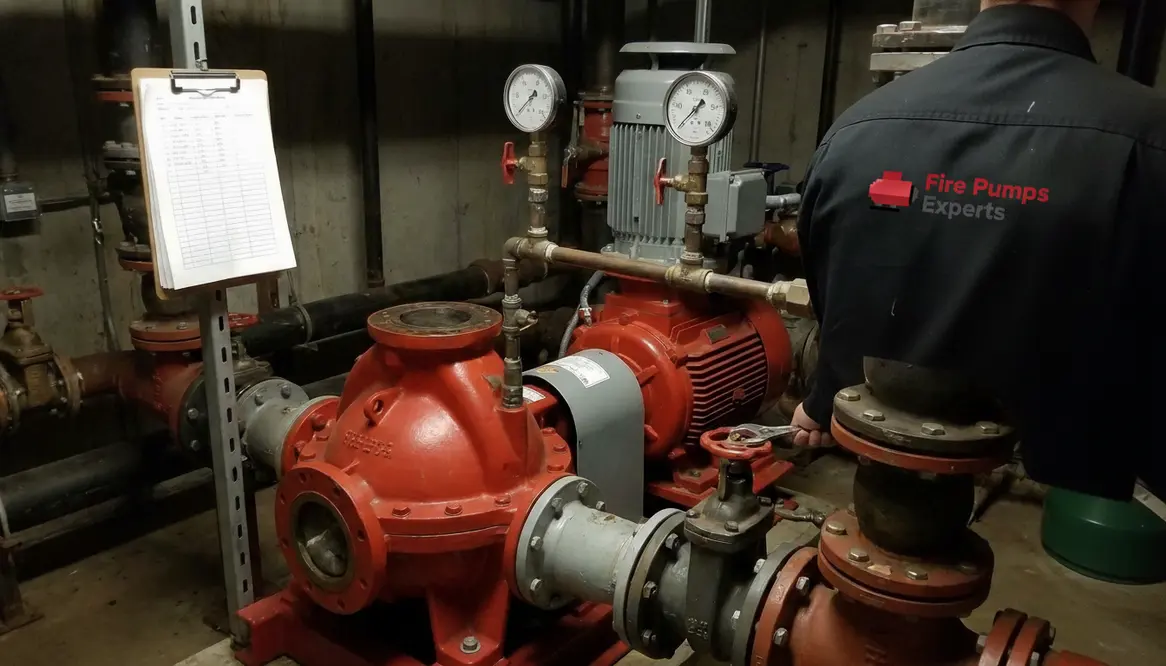
How Often Should Fire Pumps Be Tested? Australian Compliance Guide
When I talk about fire safety in a commercial or industrial building, one question keeps coming up: how often should fire pumps be tested? It sounds simple, yet the answer carries real weight. A fire pump is not the kind of equipment you admire for its good looks. It sits there, quiet and ready, until the day everything depends on it. So, I keep this guide focused on Australian compliance, practical testing intervals, and what facility managers in large properties need to know before trouble arrives like an uninvited sequel no one asked for.
How Often Fire Pump Testing Happens in Australia
In Australia, fire pump testing usually follows the building’s fire protection plan, the pump type, and the relevant standards and local authority rules. For most commercial and industrial facilities, I recommend treating testing as a regular routine, not a once in a blue moon event. Weekly checks often cover basic starting and visual review, while more detailed flow and performance testing may happen monthly, six monthly, or annually, depending on the system design and compliance needs.
That said, I never treat testing as a box ticking exercise. A pump can look fine and still underperform under real demand. And that is the sort of surprise nobody wants when the building is full, the alarms are sounding, and everyone is suddenly very interested in the maintenance log.
Australian Compliance Rules I Follow
When I assess fire pump testing in Australia, I look at the rules that guide installation, inspection, and upkeep. The main point is simple: the pump must be ready to perform when the system needs it. In practice, that means:
- Regular checks of fuel, power, pressure, and alarms
- Scheduled run tests to prove the pump starts and operates correctly
- Flow testing to confirm the pump still delivers the required water
- Record keeping that shows the work happened on time
Australian standards and site specific fire engineering requirements often shape the exact schedule. I also keep an eye on local fire authority expectations because compliance does not live in a vacuum. It lives in the real world, where paperwork, building age, system type, and site risk all matter. For a useful technical overview, I also suggest reading the AS 2419 fire pump testing and maintenance compliance guide from Kord Fire at https://www.kordfire.com.au, which helps connect the standard with day to day practice.
What I Check During Routine Testing
When I inspect a fire pump set, I focus on the parts that matter most. A smooth sounding pump is nice, but a smooth sounding pump with the right pressure is better. Much better.
Weekly and Monthly Fire Pump Checks
Weekly: I check for leaks, damage, warning lights, fuel level, controller status, and general readiness.
Monthly: I run the pump, confirm starting performance, and watch for odd noise, vibration, or pressure drop.
Six Monthly and Annual Testing
Six monthly: I verify deeper performance points, service wear items, and system condition.
Annual: I complete a full service review, confirm output against the design need, and document the result for compliance files.
These checks matter because commercial sites and industrial facilities often face heavy demand, long operating hours, and complex fire protection layouts. A large building does not forgive laziness. It simply keeps growing, and so does the risk.
How Often Should Fire Pumps Be Tested? My Practical Rule for Large Facilities
If you ask me how often should fire pumps be tested in a major property, I give a practical answer: often enough to catch decline before it becomes failure. For most large buildings, I suggest a layered schedule. Start with weekly visual checks. Then add monthly operational tests. After that, use six monthly and annual servicing to confirm full performance and compliance.
Here is the logic. Fire pumps rarely fail with dramatic fanfare. They usually drift. Pressure slips. A seal ages. A controller acts up. Therefore, frequent testing catches the small issues before they grow teeth. That is why I always link the test schedule to the facility’s risk level, system type, and occupancy. A high rise, logistics hub, or large industrial plant needs more discipline than a low risk site with a tiny system. And frankly, the bigger the property, the less room there is for guesswork.
If you are still wondering how often should fire pumps be tested when the site is unusual, aging, or packed with high value assets, the answer usually leans toward more frequent testing, not less. Small, regular checks cost less than large, urgent failures.
What the Compliance Record Must Show
Good records protect the building owner and the maintenance team. They also prove that the fire pump got the attention it deserved. I make sure each log includes the date, test type, pump result, pressure readings, faults found, work completed, and the name of the person who carried out the test.
That record trail matters during audits, insurance reviews, and fire safety inspections. If it is not written down, it is just a story. And as we all know, stories do not stop fires.
FAQ for Fire Pump Testing in Australia
Below are answers to the most common questions I hear about how often should fire pumps be tested and what that looks like in real buildings across Australia.
Conclusion
If you manage a commercial or industrial facility, I urge you to treat fire pump testing as a core duty, not a side task. Build a schedule, keep the records tight, and review performance often enough to stay ahead of faults. If you want help setting up a compliant testing plan for a major property, I recommend speaking with a fire protection specialist who knows Australian standards and real site demands. A reliable pump today can save a building tomorrow, and understanding how often should fire pumps be tested is one of the simplest ways to keep that reliability on your side.