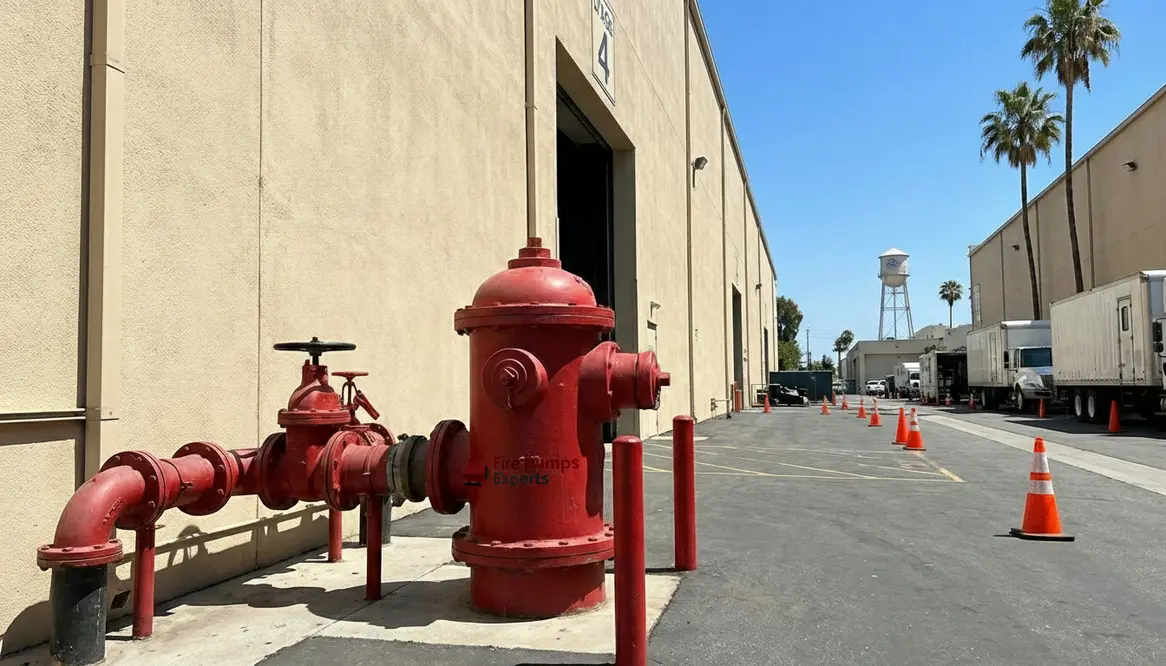
Film Studio Fire Protection Water Supply Burbank
I have spent enough time around soundstages to know that Hollywood magic runs on more than cameras and caffeine. Beneath the bright lights and elaborate sets sits something far less glamorous but absolutely essential. Water. More specifically, reliable emergency water systems that protect massive studio facilities. In Burbank and Hollywood, where production budgets can rival the GDP of a small country, a strong film studio fire protection water supply burbank strategy is not optional. It is the silent guardian behind every explosion scene, every pyrotechnic stunt, and every warehouse sized stage filled with electrical equipment.
However, film studios are not ordinary buildings. They are sprawling production environments with massive electrical loads, complicated sets, fuel powered equipment, and occasionally dragons made of foam and propane. Therefore, their emergency water infrastructure needs to work instantly and flawlessly. When I talk about emergency water supply systems for film studios, I am talking about a system designed to protect millions in equipment, massive soundstage structures, and hundreds of crew members working under one roof.
Why Film Studios Need Powerful Emergency Water Infrastructure
First of all, film studios operate on a scale that surprises people who have never stepped inside a major production lot. A single soundstage can span tens of thousands of square feet. Additionally, studios house electrical grids, lighting rigs, fuel powered generators, prop warehouses, and construction workshops.
Consequently, the fire risk profile looks closer to an industrial complex than a typical commercial building.
Emergency water supply systems support several layers of protection.
- Fire sprinkler networks across multiple soundstages
- Standpipe systems for firefighting access
- High capacity fire pumps
- Dedicated water storage tanks
- Redundant supply lines for reliability
Meanwhile, production schedules leave no room for downtime. If a major water supply component fails during filming, the financial losses can climb faster than Tom Cruise hanging off a plane.
That is why commercial grade water supply systems built specifically for studio campuses have become a core infrastructure investment across Burbank and Hollywood.
How Emergency Water Systems Support Large Studio Lots
When I walk through a studio lot, I see a carefully layered system designed to deliver water exactly where it is needed within seconds.
Typically, the backbone includes high capacity fire pumps connected to either municipal water lines or dedicated storage tanks. These pumps maintain pressure for sprinkler systems and standpipes throughout massive facilities.
Additionally, redundancy plays a huge role. Studio campuses often install multiple pumps and backup power sources so protection never depends on a single piece of equipment.
Layered Infrastructure And Operational Benefits
Core Infrastructure
- Industrial fire pumps
- Large water storage tanks
- Pressurized distribution networks
- Underground fire mains
- Standpipe connections for fire crews
Operational Benefits
- Immediate water flow during emergencies
- Stable pressure across multiple buildings
- Protection for large soundstages
- Compliance with fire codes
- Reduced risk of production shutdowns
Because of this layered approach, emergency systems can deliver thousands of gallons per minute across a studio lot. That kind of power keeps sprinkler systems fully supplied even during major incidents.
And yes, when the director yells action and a set explodes for dramatic effect, professionals want to know the real protection systems are standing by quietly in the background.
What Makes film studio fire protection water supply burbank Systems Unique
Burbank sits at the center of the entertainment industry, and its studio campuses operate at an enormous scale. As a result, water supply systems for these facilities require custom engineering that goes far beyond what typical commercial buildings need.
First, the water demand is unusually high. Massive soundstages often contain complex scenery, construction materials, lighting systems, and electrical infrastructure. Therefore, fire protection engineers must calculate water flow requirements that account for worst case scenarios.
Next comes reliability. Production schedules move fast. When a studio rents out multiple stages for simultaneous productions, shutting down operations for infrastructure failures becomes extremely expensive.
Consequently, engineers design systems with layered redundancy.
Typical Features Of Studio Water Supply Design
- Multiple fire pumps operating in sequence
- Dedicated on site water storage reservoirs
- Diesel backup pumps during power outages
- High pressure distribution networks
- Monitoring systems that track performance in real time
In other words, these systems behave more like the infrastructure protecting airports or data centers. Hollywood may be known for storytelling, but when it comes to safety systems, the engineering is very real.
Designing Water Supply Systems for Massive Production Facilities
Designing emergency water supply systems for studio campuses requires a different mindset compared with standard office buildings. These environments change constantly.
One month a soundstage might host a quiet drama set. The next month the same space could contain a futuristic city filled with lighting rigs, hydraulic effects, and electrical cabling.
Therefore, water supply infrastructure must support flexible production environments.
Key Engineering Priorities
High flow capacity
Large soundstages require enormous water delivery rates. Systems must maintain strong pressure across long pipe networks.
Strategic hydrant placement
Hydrants across studio lots allow fire crews to connect quickly during emergencies. This speeds up response times.
Backup power for pumps
If the electrical grid fails during a fire, diesel driven pumps ensure the water keeps flowing.
Smart monitoring systems
Modern fire pump controllers and sensors monitor pressure, flow, and pump readiness. Facility managers receive alerts before problems escalate.
All these components work together to create a safety net beneath the creative chaos of film production. When studios in Burbank invest in a resilient film studio fire protection water supply burbank strategy, they are really investing in uninterrupted storytelling.
Can Emergency Water Infrastructure Prevent Costly Production Shutdowns?
Short answer. Yes. And studios know it.
Film production schedules move with the precision of a Swiss watch, except with more coffee and slightly louder arguments between directors and producers.
When a fire protection failure forces a stage closure, the ripple effect hits everything.
- Delayed shooting schedules
- Equipment rental losses
- Crew downtime
- Contract penalties
- Production relocation costs
Because of this, studio operators treat emergency water supply systems as mission critical infrastructure.
Reliable fire pumps, strong water storage capacity, and properly designed distribution networks protect not only buildings but also business continuity. The best systems operate quietly in the background for years, like a veteran stagehand who makes sure the curtain always rises on time.
For studio campuses that want to stress less about downtime, partnering with specialists who understand complex pump systems and large campus distribution networks, like the fire pump experts at Kord Fire’s fire pump services, helps keep every film studio fire protection water supply burbank plan ready for the next big production.
Planning Long Term Water Resilience for Studio Campuses
As studio facilities expand across Burbank and Hollywood, infrastructure planning has become more forward thinking. Modern campuses include multiple production buildings, post production facilities, prop warehouses, and office towers.
Therefore, water supply planning must support long term growth.
Facility engineers increasingly install scalable fire pump systems and expandable water storage. This approach allows studios to add new stages without rebuilding their entire protection network.
Additionally, climate pressures and regional water supply challenges have pushed some facilities to adopt hybrid strategies. These may include larger onsite reservoirs, improved pressure management, and enhanced monitoring systems.
Future-Proofing Studio Safety
The goal is simple. No matter what production rolls onto the lot next year or ten years from now, the protection system remains ready. A resilient film studio fire protection water supply burbank plan gives studios the confidence to build bigger sets, push creative boundaries, and still sleep at night.
In the same way a soundstage can be rebuilt into anything from a starship bridge to a suburban kitchen, the supporting infrastructure needs the flexibility to grow and adapt without sacrificing safety.
FAQ About Emergency Water Systems for Film Studios
Protecting Hollywood’s Production Powerhouses
Every blockbuster begins long before the cameras roll. Behind the scenes, infrastructure keeps the entire machine running safely. A well engineered emergency water system protects valuable facilities, expensive equipment, and the hundreds of professionals who bring stories to life.
If you operate a large studio campus or production complex, investing in a reliable water supply strategy is one of the smartest decisions you can make. The right system ensures your production keeps rolling, no matter what happens behind the curtain, and a carefully planned film studio fire protection water supply burbank approach can mean the difference between a minor incident and a full scale shutdown.
From oversized soundstages and busy backlots to post production suites tucked into office towers, the common thread is simple: when something goes wrong, the water has to be there, at the right pressure, every single time. Build that foundation well, and the rest of the show can go on.