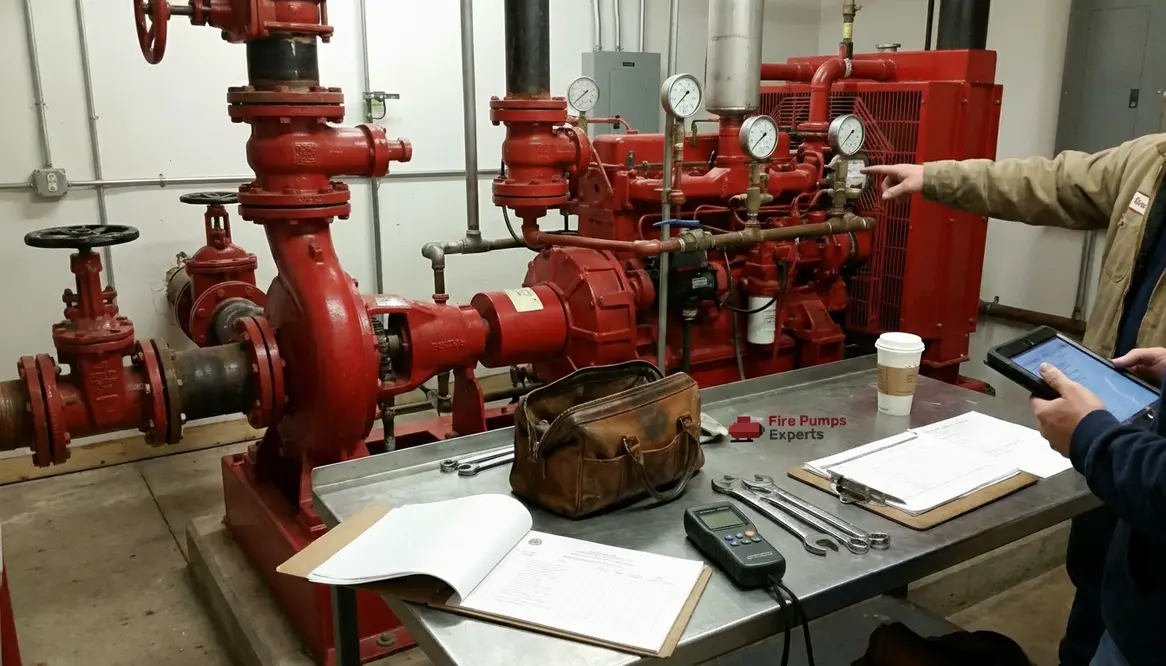
Fire Pump Acceptance Test San Antonio What to Bring
The Day the Pump Proves Itself
I have been around fire protection long enough to know that the day of a fire pump acceptance test feels a bit like opening night at the theater. The lights are on, the audience is watching, and the system has one job. Perform flawlessly.
However, preparation makes the difference between a smooth performance and an awkward scene that drags on longer than a director’s cut of a superhero movie.
That is why I often hear the same question from facility managers and project engineers across Texas: fire pump acceptance test san antonio what to bring. It sounds simple, yet the answer matters. When you arrive with the right documents, tools, and team members, the process moves quickly. More importantly, the test proves that the fire protection system in a commercial or industrial property will work when it matters most.
So today I will walk you through exactly what I bring to a pump acceptance test in San Antonio. Think of it as your backstage checklist before the curtain rises.
Why Preparation Matters for Commercial Fire Pump Acceptance Tests
First, let me set the scene.
An acceptance test is not just a casual inspection. Instead, it is the official moment when a newly installed fire pump proves it can deliver the required flow and pressure for a large facility. Hospitals, manufacturing plants, distribution centers, high rise offices, and other major properties rely on this test to confirm their life safety systems meet code.
Because of that, inspectors, contractors, engineers, and facility representatives usually gather around the pump room. Everyone watches the gauges, the flow meters, and the test headers like sports fans staring at a scoreboard.
However, without preparation, things stall. Someone forgets documentation. A valve wrench goes missing. The test header adapters are nowhere to be found. Suddenly the process slows to the pace of a dial up internet connection from 1997.
Therefore, bringing the right materials keeps the testing process efficient and professional. In a city like San Antonio, where inspections can involve multiple stakeholders, organization saves hours and makes answering the classic “fire pump acceptance test san antonio what to bring” question much easier.
Fire Pump Acceptance Test San Antonio What to Bring for a Smooth Inspection
When I show up to a pump acceptance test, I never assume the site has everything ready. Instead, I arrive with a prepared kit and documentation package. This approach keeps the focus on verifying system performance rather than scrambling for tools.
Documentation Essentials
- Approved fire protection plans
- Pump curve documentation
- Manufacturer data sheets
- Controller manuals
- Hydrostatic test records
- Underground flush reports
- Contractor material certifications
Field Equipment
- Calibrated pressure gauges
- Valve wrenches
- Hose adapters for test headers
- Pitot gauges
- Flow measurement sheets
- Communication radios
- Basic hand tools
Additionally, I bring extra copies of all documents. Inspectors appreciate it, and trust me, nothing builds goodwill faster than having the paperwork ready when someone asks for it.
And yes, I usually bring coffee too. Fire pump rooms are not known for their luxury accommodations.
What Documents Do Inspectors Expect During a Fire Pump Acceptance Test?
This question comes up often, especially for large commercial developments preparing for their first inspection. It usually sounds a lot like someone asking, “For a fire pump acceptance test San Antonio what to bring in terms of paperwork?”
Inspectors typically want to confirm that the installed pump matches the design submitted during permitting. Therefore, documentation plays a central role in the process.
I always prepare the following records before arriving onsite.
- Approved fire protection plans stamped by the authority having jurisdiction
- Manufacturer pump performance curves
- Controller specifications
- Electrical test documentation
- Underground piping pressure test results
- Flush and hydrostatic test records
- Material and equipment certification forms
Because these documents verify compliance with NFPA standards and local codes, inspectors often review them before the pump even starts running.
Moreover, having these records organized tells everyone involved that the project team respects the process. That tone matters more than people think.
Equipment That Keeps the Test Moving
Now let us talk about the physical side of the test.
During a fire pump acceptance test, technicians measure pressure and flow at multiple points while operating the pump at different demand levels. Consequently, accurate tools become essential.
I always bring calibrated gauges and pitot tubes. Even if the contractor has them, a backup prevents delays. After all, gauges sometimes behave like actors who refuse to come out of their trailers.
Next, valve wrenches and hose adapters help connect the test header to discharge hoses. Without these pieces, flowing water at the required rates becomes difficult.
Communication equipment also matters. Pump operators, inspectors, and technicians often stand in different locations around the facility. Radios keep everyone coordinated as flows increase or decrease.
Finally, I bring printed data sheets to record flow readings, pressures, and pump performance points. While tablets work well, paper remains reliable even when WiFi decides to take a vacation.
Who Should Be Present at the Test Site
Even with the right tools and documents, a successful test requires the right people.
Large commercial facilities often involve several parties during acceptance testing. Therefore, coordination ahead of time prevents confusion.
- Fire protection contractor responsible for installation
- Electrical contractor for controller operation
- Facility representative or property engineer
- Authority having jurisdiction inspector
- Testing technicians measuring flow and pressure
When everyone stands in the same room with clear roles, the test moves efficiently. However, if one key person is missing, the process stalls quickly.
I once watched a test pause for forty five minutes because nobody onsite knew the controller password. Let me tell you, that silence in the pump room felt longer than a slow elevator ride in a fifty story building.
Preparation prevents those moments.
Fire Pump Acceptance Test San Antonio What to Bring Beyond the Basics
There are the obvious items everyone expects. Then there are the practical additions that seasoned professionals quietly bring along.
Smart Additions for Real-World Pump Rooms
First, spare batteries and flashlights help in mechanical rooms with limited lighting. Surprisingly, some pump rooms feel darker than a film noir detective movie.
Second, I carry marking tags and tape. During testing, adjustments or notes may need quick labeling.
Planning for San Antonio Conditions
Third, weather awareness matters in San Antonio. If the test header sits outside, heat becomes a factor quickly. Water flowing at high volume in the Texas sun can turn a routine test into a sweaty endurance event.
Finally, bring patience. Flow testing takes time, especially in large industrial facilities where pumps push thousands of gallons per minute. The goal is accuracy, not speed, and having the answer to “fire pump acceptance test san antonio what to bring” includes the right mindset as much as the right gear.
Connecting Acceptance Testing With Ongoing Pump Health
A successful fire pump acceptance test is a milestone, but it is not the finish line. Once your system passes, it needs regular inspection, testing, and maintenance to stay reliable.
If you want a deeper look at long-term testing requirements, scheduling, and performance checks beyond the initial acceptance, you can review Kord Fire Protection’s guide on fire pump testing requirements and best practices so your system stays ready year after year.
FAQ About Fire Pump Acceptance Testing
Below are some common questions that come up when people search for “fire pump acceptance test San Antonio what to bring” and prepare for their first inspection.
Conclusion
If you are preparing for a pump inspection, the smartest move is simple. Show up ready. Bring the right documents, tools, and people so the system can prove its strength without delays. At FirePumps.org, we help commercial and industrial facilities across San Antonio prepare for successful testing and reliable fire protection performance. When the moment comes for your acceptance test, let us help ensure everything flows exactly as it should, and that you never have to second guess what belongs on your “fire pump acceptance test San Antonio what to bring” checklist.