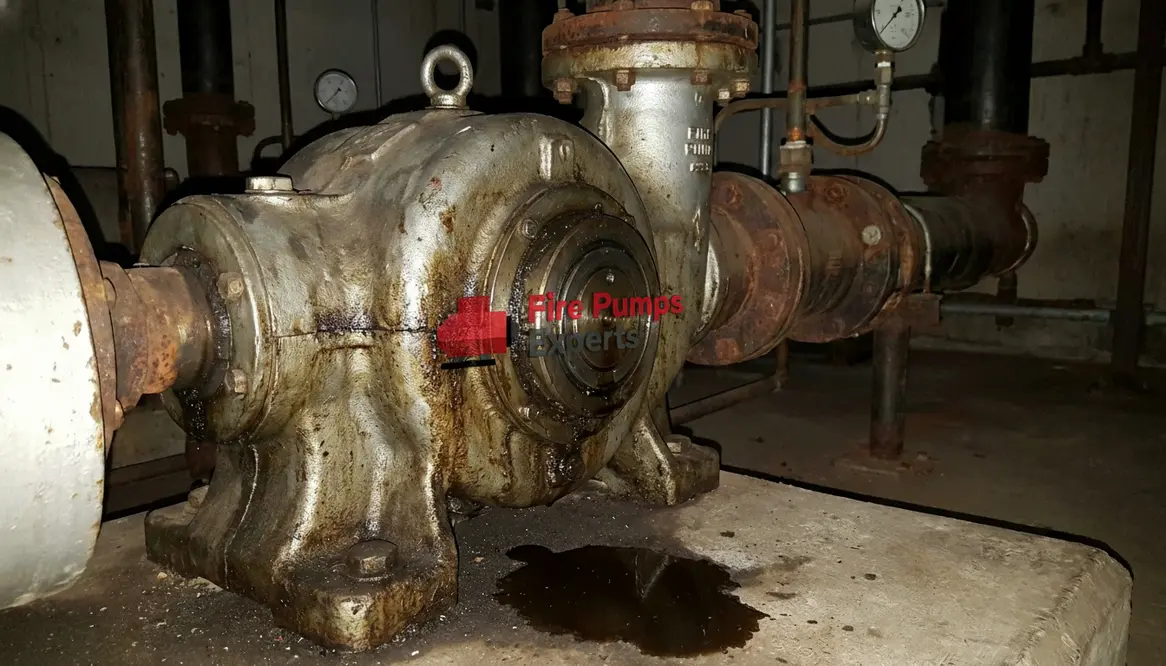
Fire Pump Bearing Failure Hayward CA Causes
I have spent years around mechanical rooms that hum like a quiet orchestra, and let me tell you, nothing ruins that rhythm faster than a bearing failure. In commercial and industrial systems, especially when we talk about fire pump bearing failure Hayward CA, the stakes climb quickly. These systems do not get to “take a day off.” They run, they protect, and when something goes wrong, they do so at the worst possible moment. So today, I am going to walk you through what really causes these failures, why they happen in continuous operation systems, and how to stay a few steps ahead.
What causes fire pump bearing failure Hayward CA in continuous systems?
The short answer is stress. The longer answer is a layered story of heat, friction, and time working together like a slow plot twist you did not see coming.
First, continuous operation means constant load. Bearings are designed to handle movement, but they also rely on moments of rest or at least stable conditions. However, in fire pump systems that are always ready, the bearings face ongoing pressure. Over time, this leads to fatigue in the metal surfaces.
Additionally, lubrication plays a starring role. If lubrication breaks down, even slightly, friction increases. And as any seasoned technician will tell you, friction is the villain that never sleeps. Eventually, this leads to overheating, and then the bearing begins to degrade from the inside out.
And yes, sometimes it feels like the bearing just “gave up.” In reality, it was sending signals long before failure. We just did not listen.
The hidden role of lubrication and contamination
Now, let’s talk about something that sounds simple but behaves like a soap opera. Lubrication.
Proper lubrication reduces friction and carries heat away. However, in Hayward’s industrial environments, contamination often sneaks in. Dust, moisture, and even microscopic debris can mix with lubricant and turn it into something closer to sandpaper than oil.
As a result, the bearing surfaces wear faster. Furthermore, water intrusion can break down lubricant properties entirely. Once that happens, the bearing operates under conditions it was never designed for.
Think of it like trying to jog with gravel in your shoes. You can do it, but not for long, and certainly not gracefully.
Alignment and installation errors that quietly cause failure
I have seen perfectly good bearings fail simply because they were installed slightly off center. Alignment matters more than most people expect.
When shafts are misaligned, even by a small margin, the load distribution across the bearing becomes uneven. Consequently, certain نقاط of the bearing experience more stress than others. Over time, this imbalance leads to premature wear.
Moreover, improper installation techniques can introduce tiny defects. These might not show up immediately. However, as the system continues running, those small imperfections grow into larger problems.
Common installation issues
- Improper shaft alignment
- Overtightened mounting
- Incorrect bearing fit
- Use of wrong tools
Resulting problems
- Uneven load distribution
- Increased vibration
- Heat buildup
- Early fatigue failure
Heat buildup and continuous operation stress
Heat is the quiet troublemaker in continuous systems. While everything may look fine on the outside, rising internal temperatures slowly break down both lubricant and material integrity.
In large commercial properties and industrial facilities, fire pumps often operate in confined mechanical rooms. If ventilation is not optimal, heat accumulates. Consequently, bearings operate above their ideal temperature range.
Over time, this leads to metal expansion, reduced clearances, and eventually, failure. It is not dramatic. It is gradual. And that is what makes it dangerous.
Frankly, heat does not need an invitation. It shows up unannounced, like a plot twist in a thriller, and by the time you notice, it is already part of the story.
How vibration signals early bearing trouble
If bearings had a voice, vibration would be it.
Vibration analysis is one of the most reliable ways to detect early bearing issues. When a bearing begins to wear, it produces subtle changes in vibration patterns. These changes often appear long before any visible damage occurs.
Therefore, facilities that invest in monitoring systems gain a clear advantage. They can detect imbalance, misalignment, and surface defects early.
Additionally, unusual noise often accompanies vibration. If a fire pump starts sounding like it is auditioning for a role in a sci fi movie, it is time to investigate.
Preventing fire pump bearing failure Hayward CA in commercial facilities
Prevention is not glamorous, but it works. In fact, it is the difference between controlled maintenance and emergency repairs at the worst possible moment.
First, regular inspections are essential. This includes checking lubrication quality, alignment, and temperature levels. Next, predictive maintenance tools such as vibration analysis and thermal imaging provide valuable insights.
Equally important, staff training ensures that early warning signs are not ignored. Because let’s be honest, a strange noise rarely fixes itself.
Finally, working with specialists who understand large scale fire pump systems in Hayward ensures that maintenance aligns with real world conditions, not just textbook theory. When fire pump bearing failure Hayward CA is treated as a predictable risk instead of a surprise, facilities stay safer and downtime drops.
Why fire pump bearing failure Hayward CA should never be ignored
In regions with dense commercial and industrial development, a single misbehaving fire pump can ripple into safety risks, insurance headaches, and expensive unplanned shutdowns. Fire pump bearing failure Hayward CA is more than a maintenance line item; it is a reliability and life safety problem waiting for either attention or escalation.
FAQ
What is the main cause of bearing failure in fire pumps?
Lubrication failure and contamination are the most common causes.
How can I detect early bearing issues?
Use vibration monitoring and listen for unusual noise.
Does continuous operation increase failure risk?
Yes, constant load and heat accelerate wear over time.
How often should bearings be inspected?
In commercial systems, inspections should occur regularly as part of a scheduled maintenance plan.
Can misalignment really cause failure?
Absolutely. Even small alignment errors can lead to uneven stress and early damage.
Conclusion
If there is one thing I have learned, it is this. Fire pump systems do not fail all at once. They give clues, quietly and consistently. By addressing lubrication, alignment, heat, and vibration, you stay ahead of costly downtime. If your facility depends on reliability, now is the time to act. Schedule a professional evaluation and keep your system running like it was always meant to, steady, dependable, and ready when it matters most.