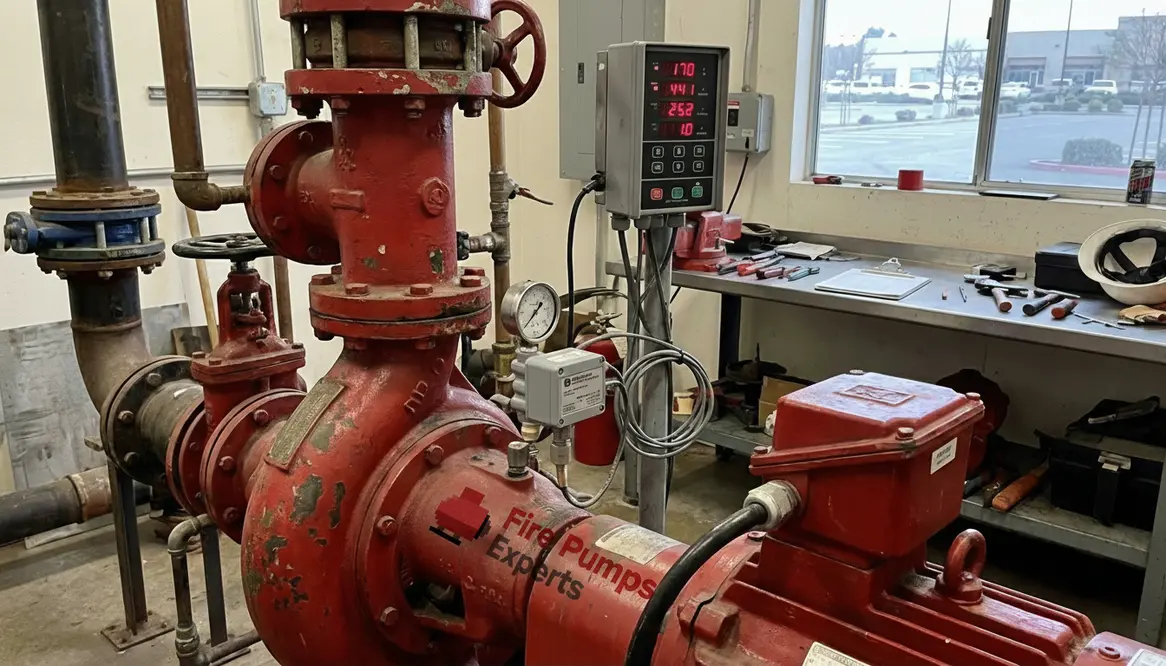
Fire Pump Pressure Sensor Failure Fremont Guide
I have spent enough time around commercial pump rooms in Fremont to know this truth: when a system whispers, you better listen before it starts shouting. One of the most overlooked whispers comes from pressure transducers. And yes, fire pump pressure sensor failure Fremont situations show up more often than most facility managers expect. At first, it looks like a small data glitch. Then, suddenly, your monitoring system is telling a very different story than reality. That is when things get interesting in all the wrong ways.
What Causes Fire Pump Pressure Transducer Failures in Fremont Facilities?
Let me answer this plainly, because this is what most people ask first. Pressure transducers fail because they live a hard life. They deal with constant vibration, pressure swings, and environmental exposure. In Fremont, where industrial buildings operate around the clock, that stress adds up quickly.
However, the most common culprit is not dramatic failure. Instead, it is slow drift. Over time, the sensor starts reporting slightly incorrect values. At first, the difference is small. Then, gradually, your system decisions are based on bad data. And that is how small issues turn into compliance headaches.
Additionally, electrical noise plays a role. Large facilities with heavy equipment generate interference. If shielding or grounding is not perfect, the signal becomes unreliable. Think of it like trying to hear a whisper at a rock concert. You might catch pieces, but you will miss what matters.
How I Spot Early Warning Signs Before a Full Failure
I always tell clients that systems rarely fail without leaving clues. You just need to know where to look. First, I check for inconsistent readings between redundant sensors. If one says everything is calm while another suggests chaos, something is off.
Next, I look at trend data. A healthy transducer produces smooth, predictable curves. However, failing ones create jagged or drifting patterns. It is like watching a heart monitor that cannot make up its mind.
Then, there is calibration frequency. If your team keeps recalibrating the same device, that is not diligence. That is a warning sign wearing a disguise.
And yes, sometimes the system throws alarms that seem random. Those are not random. They are breadcrumbs.
Impact on Monitoring Systems in Large Commercial Buildings
Now let us talk consequences, because this is where things get serious. When a pressure transducer fails, your monitoring system loses its sense of reality. It may underreport pressure, leading operators to believe the fire pump is underperforming. Or worse, it may overreport, creating a false sense of security.
Consequently, automated systems may trigger unnecessary pump starts or fail to start when needed. Neither scenario is acceptable in a commercial or industrial environment where compliance and safety are non negotiable.
Moreover, reporting systems become unreliable. Facility managers depend on accurate logs for inspections and audits. If the data is wrong, the paperwork becomes fiction. And no inspector enjoys fiction unless it is on a bookshelf.
Fire Pump Pressure Sensor Failure Fremont Trends I Keep Seeing
In Fremont, I have noticed patterns that repeat across large properties. For one, aging infrastructure plays a major role. Many facilities upgrade control panels but leave older sensors in place. That mismatch creates problems.
Also, environmental exposure matters. Moisture, temperature swings, and even minor corrosion gradually weaken sensor performance. It is not dramatic. It is persistent.
Another trend is overreliance on automation. Monitoring systems are powerful, but they are not magic. If the input is flawed, the output will be too. As the saying goes, garbage in, garbage out. Not exactly a blockbuster movie quote, but it gets the point across.
Common Failure Triggers
- Pressure cycling fatigue
- Electrical interference
- Poor installation practices
- Lack of routine calibration
Operational Consequences
- False alarms
- Missed pump activation
- Inaccurate compliance data
- Increased maintenance costs
How I Approach Prevention and Long Term Reliability
Prevention is not complicated, but it does require consistency. First, I make sure sensors are properly specified for the environment. Not all transducers are built for industrial duty, even if the box says otherwise.
Then, I prioritize installation quality. Proper mounting, shielding, and wiring are not optional details. They are the foundation of reliable performance.
After that, I implement scheduled calibration checks. Not reactive. Not occasional. Scheduled. This keeps small deviations from becoming major issues.
Finally, I encourage redundancy where possible. Having a secondary reference point can reveal discrepancies early. It is like having a second opinion, except this one does not charge extra.
Why This Matters More Than Most People Think
It is easy to overlook a sensor. It is small. It sits quietly. It does not demand attention. However, it plays a critical role in life safety systems. When it fails, it does not just affect data. It affects decisions.
In large commercial and industrial properties, those decisions carry weight. They influence inspections, emergency response, and overall system reliability. So while a transducer may not look impressive, its impact certainly is.
That is why I keep a close eye on every fire pump pressure sensor failure Fremont facility teams tell me about, compare it with trend data, and push for upgrades before those “minor” issues show up in an incident report. If you need a deeper technical breakdown, there are solid resources available at https://firepumps.org, but the bottom line remains the same: small sensors shape big outcomes.
FAQ
What is a fire pump pressure transducer?
It is a device that converts water pressure into an electrical signal for monitoring systems.
How often should transducers be calibrated?
At least annually, though high demand facilities may require more frequent checks.
What are signs of failure?
Drifting readings, inconsistent data, and repeated recalibration needs.
Can a faulty sensor trigger false alarms?
Yes, inaccurate pressure readings can cause unnecessary system alerts.
Is replacement better than repair?
In most cases, replacement is more reliable and cost effective long term.
Pulling It All Together
If you are managing a commercial or industrial facility in Fremont, do not wait for a small sensor issue to become a major operational problem. I have seen how fire pump pressure sensor failure Fremont situations unfold, and they are always more expensive when ignored. Take control early. Schedule inspections, verify your data, and invest in reliability. When your system speaks, make sure it is telling the truth. Your building depends on it, and so does everyone who walks through the doors.
Treat every suspicious reading as a clue, not an annoyance. Document what you see, compare sensor data, and involve your service providers before that quiet drift turns into a full-blown fire pump pressure sensor failure Fremont incident that shows up in audit notes and post-event reports instead of routine maintenance logs.