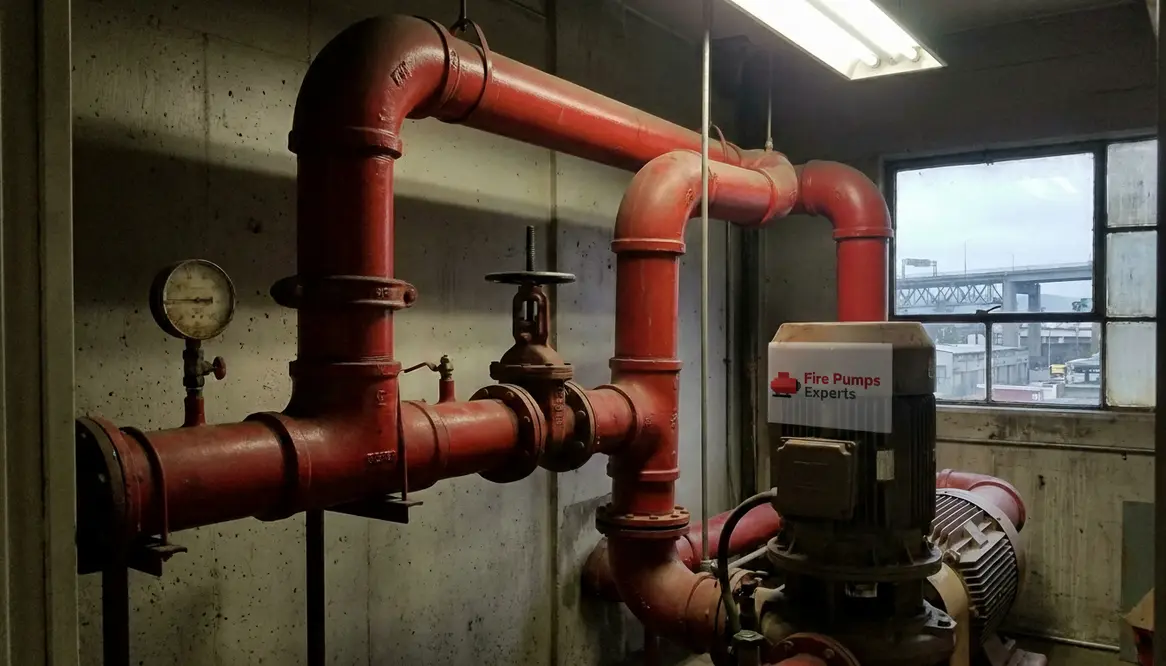
Fire Pump Discharge Friction Loss Oakland Guide
I have walked through enough mechanical rooms in Oakland to know one thing for certain. Water does not like to be slowed down. And yet, in commercial and industrial buildings, it often is. When we talk about fire pump discharge friction loss Oakland, we are talking about the quiet resistance hiding inside pipes that can make or break a fire protection system. It is not flashy. It does not blink or beep. But it absolutely matters when the pressure is on, literally.
So let’s take a steady walk through what this really means, why it matters in Oakland buildings, and how to keep your system from working harder than it should.
In Oakland’s mix of aging brick warehouses and glass-and-steel towers, that quiet resistance shapes whether a fire pump delivers power or just noise. Understanding fire pump discharge friction loss Oakland style means paying attention to the long pipe runs in parking garages, the vertical risers snaking up stairwells, and the odd retrofit that seemed like a good idea at the time.
If you manage a facility that never sleeps, or a high rise where every floor tells a different construction story, friction loss is the unseen character in every flow test, inspection, and emergency response.
What Is Fire Pump Discharge Friction Loss in Oakland Buildings
Friction loss is exactly what it sounds like. As water moves through a pipe, it rubs against the pipe walls. That rubbing slows it down and reduces pressure. Now, in a fire pump discharge system, that pressure is everything.
In Oakland’s commercial towers and industrial facilities, piping runs can stretch long distances with multiple fittings, valves, and elevation changes. Each turn and surface adds resistance. As a result, the fire pump must work harder to deliver the required flow and pressure at the farthest sprinkler head.
Think of it like trying to run through a crowded hallway during a concert exit. The more people in your way, the slower you move. And unlike a concert, you cannot just wait it out when a fire is involved.
Now layer in Oakland realities: older pipes with rough interiors, long horizontal runs above parking decks, and risers stretched to reach top floor penthouses. Every foot of pipe and every fitting quietly eats away at the pressure your fire pump worked so hard to build.
Why Oakland Buildings Feel the Impact More
Oakland brings a unique mix of older infrastructure and modern high rise development. Because of this, friction loss challenges often stack up quickly.
First, many older commercial buildings were not designed for today’s fire protection demands. Over time, retrofits add complexity. Secondly, taller structures require higher discharge pressure, which amplifies friction effects. Additionally, seismic design requirements often introduce extra fittings and flexible connections, which increase resistance.
Therefore, even a well designed system can lose efficiency if friction loss is not carefully accounted for. I have seen systems where the pump technically meets specs on paper, yet struggles in real world testing. The culprit is almost always hidden in the discharge piping.
How Friction Loss Affects Fire Pump Performance
When friction loss builds up, the fire pump compensates by working harder. However, that effort has limits. If the system cannot overcome the resistance, pressure drops at critical points.
Consequently, sprinkler coverage weakens. In large commercial facilities, that gap can mean the difference between controlling a fire early and chasing it across multiple zones.
Moreover, excessive friction loss can lead to:
- Higher energy consumption which raises operating costs
- Increased wear on pump components reducing lifespan
- Inconsistent pressure delivery across floors or zones
It is a bit like asking a delivery driver to make every stop with flat tires. Sure, they might get there eventually, but not fast enough when it counts.
How Do I Reduce Fire Pump Discharge Friction Loss in Oakland
I get this question often, and the answer is both simple and detailed.
Start with pipe sizing. Larger diameter pipes reduce velocity, which in turn lowers friction. Next, limit unnecessary fittings. Every elbow and valve adds resistance, so cleaner layouts matter.
Additionally, smooth interior pipe surfaces help maintain flow efficiency. Over time, corrosion or buildup can increase roughness, so maintenance plays a major role.
Equally important, I always recommend a full hydraulic calculation review during design or retrofit. That step ensures the system accounts for real world conditions, not just ideal ones.
And yes, sometimes the answer is upgrading the pump itself. Not the most glamorous solution, but neither is explaining to a fire inspector why pressure drops mid test.
Design Choices That Quietly Change Everything
Small design decisions often carry big consequences. Therefore, I pay close attention to details that others might overlook.
| Design Element | Impact on Friction Loss |
| Pipe Diameter | Directly reduces or increases flow resistance |
| Number of Fittings | Each fitting adds measurable pressure loss |
| Pipe Material | Smoother materials reduce internal drag |
| System Layout | Straighter paths maintain pressure more effectively |
Interestingly, these choices often cost less to address during design than to fix later. It is the difference between planning your route ahead of time and realizing halfway through that you took the scenic route through traffic.
Fire Pump Discharge Friction Loss Oakland Compliance and Testing
In Oakland, compliance is not optional, and testing reveals everything. Annual flow tests often expose friction related issues that were not obvious during installation.
Because of this, I always treat testing as more than a checkbox. It is a performance reality check. If pressures do not match expectations, friction loss is one of the first places I look.
Additionally, working with experienced fire protection professionals ensures systems meet both local codes and practical performance standards. Commercial and industrial properties especially need that level of precision, since their systems serve large and complex spaces.
And let’s be honest, no facility manager wants a surprise during an inspection. That is like finding out your car only turns left after you hit the freeway.
FAQ Quick Answers
Before getting into specific questions, remember that fire pump discharge friction loss Oakland systems live at the intersection of design, code, and reality. The answers below reflect what actually shows up in test data, not just in design meetings.
Conclusion
If there is one thing I have learned, it is that friction loss never announces itself, yet it always leaves a mark. In Oakland’s commercial and industrial buildings, managing it well means stronger performance, lower costs, and fewer surprises when it matters most.
If your system has not been evaluated recently, now is the time to act. Have someone look specifically at fire pump discharge friction loss Oakland conditions instead of assuming the pump is the only story. Connect with experienced professionals who understand the realities of fire pump performance, local codes, and existing infrastructure, and keep your building ready when it counts.