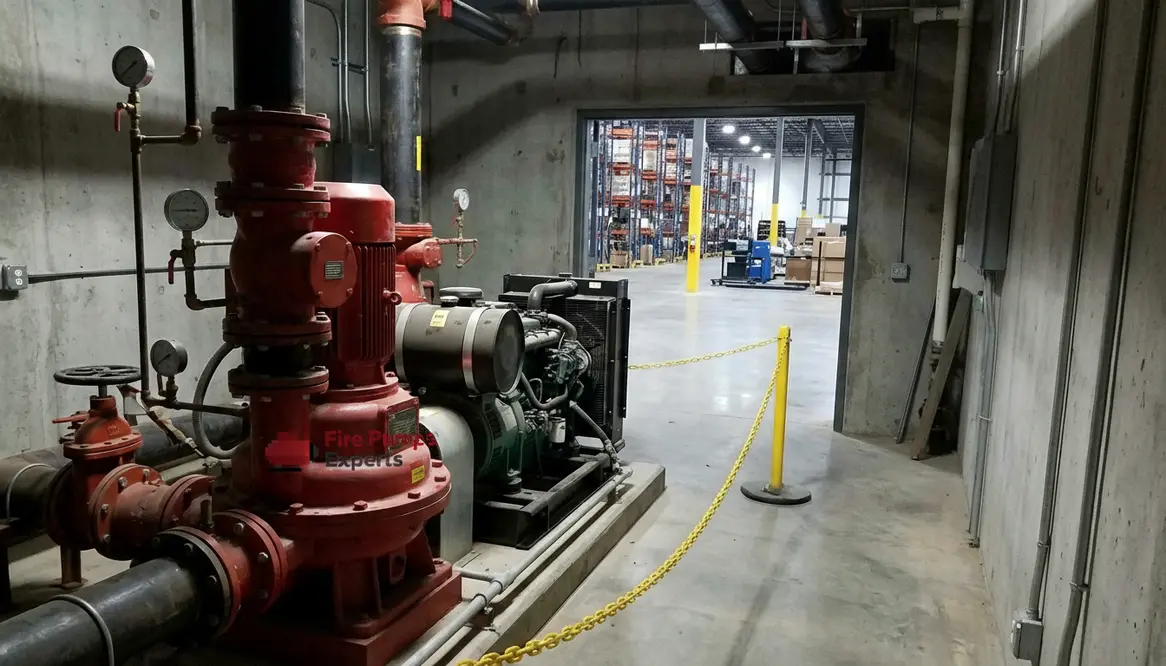
Fire Pump Long Duration Systems for Reliable Protection
I have spent years around commercial and industrial facilities where reliability is not a luxury, it is survival. When I talk about fire pump long duration systems, I am talking about the quiet guardians that keep water flowing long after the first alarm fades. Within the first few minutes of a fire, everything feels urgent. Yet, it is the hours that follow that truly test a system. That is where long duration fire protection proves its worth, standing steady like a seasoned actor who never misses a line, even in the final act.
Understanding Fire Pump Requirements for Long Duration Systems
I like to think of these systems as endurance athletes. They are not built for a sprint. Instead, they are designed to sustain pressure, flow, and reliability over extended periods. In large facilities such as distribution centers, manufacturing plants, and high rise commercial buildings, water demand does not politely taper off. It lingers.
Therefore, I always prioritize three essentials. First, the pump must deliver consistent pressure over time. Second, the power source must remain uninterrupted. Third, the water supply must be dependable and sufficient. Without these, even the most impressive system becomes a very expensive paperweight.
Additionally, codes and standards like NFPA 20 guide these requirements. However, I never treat compliance as the finish line. It is the starting point.
How Do Fire Pump Long Duration Systems Maintain Reliable Performance?
Design discipline and component selection
It comes down to design discipline. I ensure that every component supports continuous operation. For example, electric fire pumps require backup generators that can handle extended runtime without overheating. Diesel pumps, on the other hand, depend on properly sized fuel tanks that can sustain operation for hours.
Managing heat and controller reliability
Moreover, cooling systems play a quiet but critical role. Without proper cooling, even the strongest pump will falter. I have seen systems fail not because of poor design, but because someone underestimated heat buildup. It is a bit like forgetting sunscreen at the beach. You will regret it later.
Another key factor is controller reliability. A robust controller ensures smooth operation and protects the pump from electrical or mechanical faults during prolonged use.
Water Supply Strategies That Actually Hold Up
I never gamble with water availability. For long duration fire protection systems, the supply must match the worst case scenario, not the average day.
Primary supply
Primary supply comes from municipal sources or dedicated reservoirs. However, I always evaluate pressure fluctuations and potential interruptions.
Secondary supply and refill
Secondary supply acts as insurance. Storage tanks, lakes, or onsite reservoirs provide that backup layer. Refill capability ensures that even extended incidents do not drain resources completely.
Because in this line of work, hope is not a strategy. Redundancy is.
Design Priorities for Commercial and Industrial Facilities
When I design systems for large properties, I focus on scale and complexity. These environments are not forgiving. A small oversight can ripple across thousands of square feet.
What I prioritize
- High capacity pumps sized for peak demand
- Durable materials that withstand continuous use
- Advanced monitoring systems for real time feedback
- Clear access for maintenance and inspection
What I avoid
- Undersized components that strain under load
- Single points of failure
- Overly complex layouts that confuse operators
- Ignoring future expansion needs
At times, I remind clients that a fire pump system is not the place to cut corners. You can skimp on office chairs. You cannot skimp on fire protection. Even the most comfortable chair will not help during an emergency.
Power Supply and Backup Planning That Actually Works
Power loss during a fire is not a plot twist. It is expected. That is why I always build systems that assume failure and prepare for it.
Electric pumps and generators
Electric pumps require reliable generator backup. These generators must start quickly and sustain operation without interruption.
Diesel pumps and layered resilience
Meanwhile, diesel driven pumps offer independence from the electrical grid, but they demand proper fuel storage and maintenance. In many facilities, I recommend a combination of both. This layered approach ensures that if one system falters, another takes over seamlessly. It is a bit like having both Batman and Superman on call. You are covered either way.
Maintenance Practices That Extend System Life
A fire pump system is only as strong as its maintenance plan. I treat maintenance as a continuous conversation, not a once a year obligation.
Routine testing verifies that pumps start and run as expected. Weekly churn tests, monthly inspections, and annual performance evaluations all play a role. Moreover, I always check for subtle issues like vibration, unusual noise, or pressure inconsistencies.
Because problems rarely announce themselves loudly at first. They whisper. And if you listen carefully, you can fix them before they become expensive emergencies.
Why Fire Pump Long Duration Systems Matter More Than You Think
Across commercial campuses and industrial sites, fire pump long duration systems are the difference between a brief incident and a drawn out disaster. They keep water moving when structural firefighting tactics stretch into hours, when mutual aid is still en route, or when a complex production line refuses to yield to a tidy, fast extinguishment scenario.
The longer a scenario runs, the more hidden weaknesses show up: undersized fuel tanks, marginal controllers, valves that no one has exercised in years, or tanks that were never truly sized for worst case flows. Well designed fire pump long duration systems anticipate this slow erosion of safety margin and build in the redundancies that keep everything upright.
That is why you will often find specialists comparing hydraulic calculations, generator rating sheets, and tank refill curves the way others study box scores. The details determine whether a system simply starts or whether it can still be delivering rated flow two or three hours into a stubborn warehouse fire.
If you want a deeper technical foundation on sizing and reliability concepts around these systems, resources like https://firepumps.org are a worthwhile reference alongside your local codes and standards.
Conclusion
If you manage a commercial or industrial property, now is the time to evaluate your system. I encourage you to invest in fire pump long duration systems that deliver lasting performance, not just short term compliance. Work with specialists who understand scale, complexity, and risk. When the unexpected happens, you will not be thinking about budgets or blueprints. You will be grateful your system was built to endure.