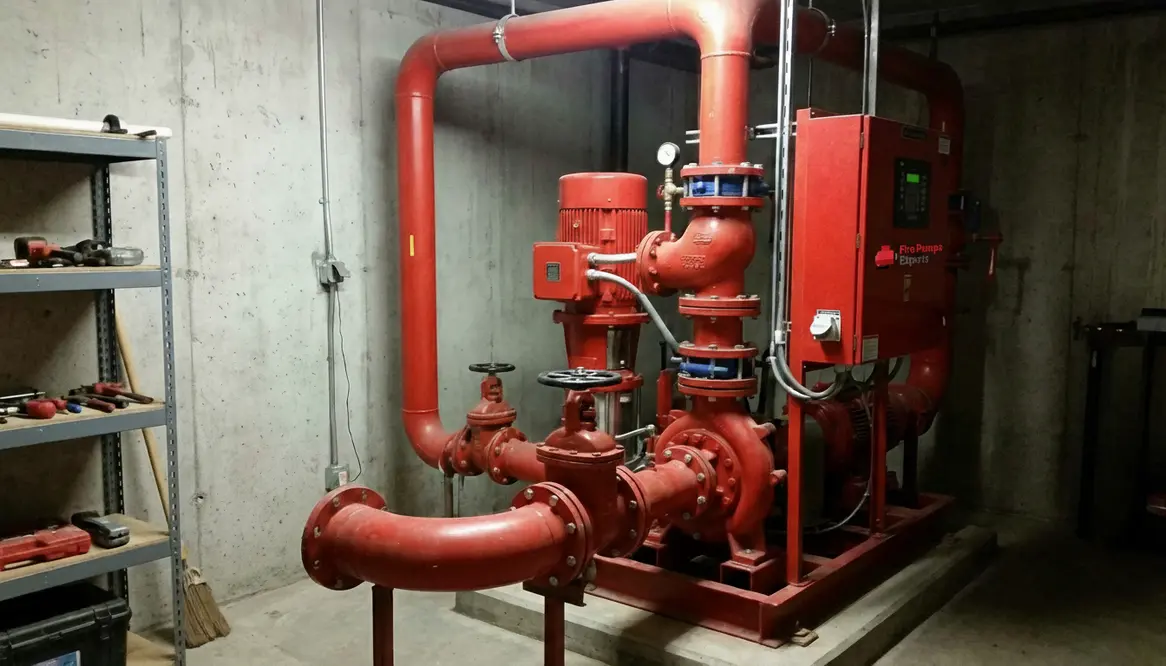
Fire Pump Best Practices for Reliable Systems
I’ve spent enough time around commercial buildings to know this truth: when things go wrong, they rarely send a calendar invite. That’s where fire pump best practices come in. In the first few minutes of a fire event, your system either performs flawlessly or becomes an expensive piece of regret. So I take a steady, no nonsense approach to making sure it works every single time. And yes, while fire pumps don’t get the cinematic spotlight like action heroes, they do save the day without asking for applause. Quiet professionals, if you will.
Fire Pump Best Practices That Keep Systems Ready at All Times
I start with consistency. A fire pump is not a “set it and forget it” machine. Instead, it demands attention, like a classic car or a very opinionated coffee machine. Regular inspection and testing form the backbone of reliable performance. Weekly churn tests, monthly inspections, and annual flow tests are not just checkboxes. They reveal issues before those issues become headlines.
Moreover, I always ensure that controllers, valves, and power supplies are functioning without hesitation. A delayed startup is not dramatic in a good way. It’s the kind of suspense no property owner wants. So I treat every test like it matters, because it does.
In addition, documentation is key. I keep clean, updated records. Not because paperwork is fun, but because it tells a story. And when inspectors show up, I prefer that story to have a happy ending.
Why fire pump best practices matter
The gap between “installed” and “ready” is where risk lives. Applying consistent fire pump best practices closes that gap and turns a collection of equipment into a dependable life safety system that behaves the way it’s supposed to when it counts.
The mindset behind reliable systems
I treat every test, inspection, and data point as a rehearsal for the real thing. If something looks off, I assume there’s a reason and chase it down. That habit is what keeps systems from becoming expensive wall art.
What Should I Check Weekly for My Commercial Fire Pump?
I keep it simple and focused. Every week, I run a churn test to verify that the pump starts automatically and maintains pressure. Then, I check for unusual vibrations, leaks, or strange noises. If a pump starts sounding like it’s auditioning for a horror movie, something is off.
After that, I confirm fuel levels for diesel systems and inspect battery conditions. Power reliability matters. A fire pump without power is like a superhero without powers. Impressive outfit, but not much help.
Finally, I review gauges and ensure readings stay within expected ranges. Small deviations can signal bigger problems. So I don’t ignore them. I treat them like early warnings, not background noise.
Design and Installation Choices That Make or Break Performance
I’ve seen well intentioned installations fail simply because someone cut corners early on. Therefore, I always prioritize proper sizing and system design. A pump that is too small struggles under demand. Too large, and it cycles inefficiently. Neither option wins.
Additionally, I pay close attention to suction supply. Reliable water sources and correct pipe configurations are non negotiable. Air pockets or poor layout can sabotage performance before the pump even gets going.
And let’s not forget accessibility. I make sure the pump room allows for easy maintenance. Because if technicians have to perform gymnastics just to inspect a valve, something went wrong long before the ribbon cutting.
Fire Pump Best Practices for Long Term Reliability in Large Facilities
Over time, even the best systems wear down. So I focus on proactive maintenance. That means replacing worn components before failure, not after. Seals, bearings, and controllers all have lifespans. Ignoring that reality is like ignoring oil changes in a fleet vehicle. It works until it doesn’t.
Meanwhile, I coordinate with certified professionals for annual testing and system evaluations. Fresh eyes catch what routine familiarity might miss. It’s not about distrust. It’s about precision.
What I Always Prioritize
- Consistent testing schedules
- Accurate record keeping
- Trained personnel oversight
- Immediate issue response
What I Never Ignore
- Minor leaks or vibrations
- Controller warnings
- Fuel or power inconsistencies
- Unusual pressure changes
Because in large commercial or industrial properties, small issues scale quickly. What starts as a drip can become downtime. And downtime, as we both know, is expensive.
How I Keep My Team Aligned and Ready
Even the best equipment needs capable people behind it. So I invest in training. My team understands how the system works, how to respond to alarms, and how to document every action taken.
Furthermore, I run drills. Not because I enjoy adding stress to the schedule, but because familiarity builds confidence. When something happens, I don’t want hesitation. I want action.
And yes, I keep communication clear. Everyone knows their role. No guessing, no confusion, no dramatic “who’s in charge here” moments like a movie scene. Just calm, coordinated response.
FAQ About Commercial Fire Pump Systems
Before getting into specific questions, it’s worth saying this: the more consistently you apply fire pump best practices, the fewer surprises you’ll have when you put your system under real pressure.
Take Control Before the System Has to Prove Itself
I believe preparation is the quiet hero of every safe building. By applying strong fire pump practices, I remove uncertainty and replace it with confidence. If you manage a commercial or industrial property, now is the time to tighten your approach, refine your inspections, and partner with experts who understand the stakes. Because when the moment comes, your system should not hesitate. And neither should you.
If you want backup from specialists who live and breathe this work, take a look at how the team at Kord Fire Protection supports fire pump systems. Pairing experienced technicians with your in-house fire pump best practices is how you turn “hope it works” into “we know it will.”