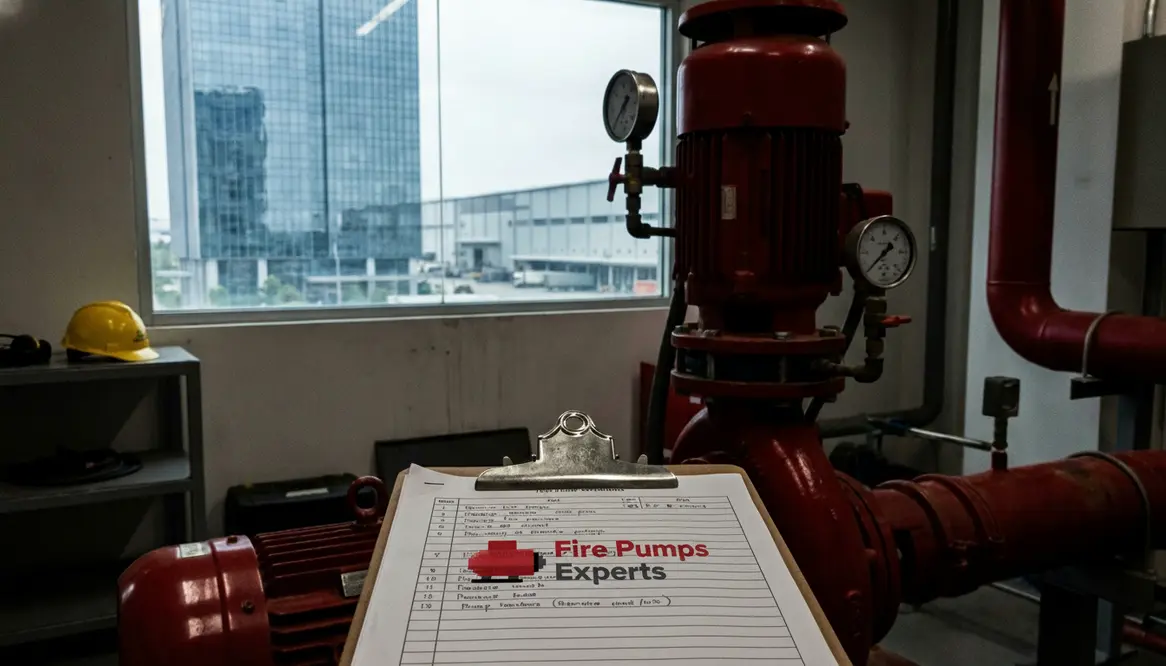
Fire Pump Budgeting by Building Type Guide
I have learned that planning for fire protection is not just a line item. It is a commitment. And when it comes to fire pump budgeting by building type, the stakes rise quickly. A high rise office tower does not play by the same rules as a sprawling industrial plant. Each structure carries its own risks, codes, and costs. So, I take a steady approach. I look at the building, the hazards, and the long term demands before I ever touch the numbers. Because if you rush this process, the only thing you will save is regret.
Understanding Fire Pump Needs Across Property Types
First, I ground myself in the reality that not all buildings breathe the same. A commercial office may need consistent pressure across many floors. Meanwhile, a manufacturing facility might demand higher capacity due to combustible materials. Therefore, I always match the pump system to the building’s risk profile.
For example, high rise buildings often require vertical turbine or split case pumps to maintain pressure at elevation. On the other hand, warehouses tend to prioritize flow over height. And yes, that difference matters. It is the difference between a system that performs and one that politely gives up when things get serious.
As a result, budgeting starts with function. Not price. Not brand. Function.
How Do I Estimate Fire Pump Costs for My Building?
I start simple. Then I layer complexity. Because while it is tempting to jump straight into equipment costs, that only tells part of the story.
I break the process into three parts:
- Equipment: pump type, controller, driver, and accessories
- Installation: labor, piping, electrical integration
- Compliance: testing, permits, and inspections
Now here is where things get interesting. A commercial tower may have higher installation costs due to space constraints. Meanwhile, an industrial site might spend more on specialized pumps and redundancy. So while two systems may look similar on paper, their final price tags can tell very different stories.
And yes, this is the part where budgets tend to grow legs and walk away if you are not paying attention.
Fire Pump Budgeting by Building Type in Practice
When I apply fire pump budgeting by building type, I move beyond theory and into patterns. Over time, certain cost behaviors become predictable.
Here is how I typically see it:
Commercial High Rise
- Higher pressure requirements
- Complex installation logistics
- Strict code compliance
- Moderate to high lifecycle costs
Industrial Facilities
- High flow demand
- Durable pump construction
- Redundant systems common
- Maintenance intensive setups
What stands out is not just cost, but where the cost lives. In commercial buildings, I often wrestle with installation challenges. In industrial settings, the equipment itself tends to take center stage. Either way, ignoring these patterns is like ignoring a smoke alarm. It will catch up with you.
Key Factors That Quietly Drive Up Costs
Now let me pull back the curtain a bit. Some of the biggest cost drivers are not obvious at first glance. Yet, they have a way of showing up uninvited.
First, water supply plays a major role. If the municipal system falls short, I need to plan for tanks or additional infrastructure. That alone can reshape a budget.
Second, redundancy requirements often come into play for large commercial and industrial properties. Backup pumps and power sources are not optional in many cases. They are expected.
Finally, ongoing maintenance deserves respect. A system that costs less upfront but demands constant attention will quietly drain resources over time. So I always look at the full lifecycle, not just the purchase price.
Because in this field, cheap solutions have a sense of humor. And it is usually at your expense.
Smart Budget Planning Without Cutting Corners
I believe in being efficient, not reckless. So when I refine fire pump budgeting by building type, I focus on value instead of shortcuts.
I start by working with experienced fire protection professionals who understand commercial and industrial demands. Then, I align the system design with actual building use, not just theoretical occupancy.
Additionally, I build in a contingency buffer. Because no matter how precise the plan, reality always adds a few plot twists. Think of it as the director’s cut of your budget. Slightly longer, but far more complete.
And importantly, I never compromise on compliance. Codes exist for a reason. Ignoring them is not bold. It is expensive.
Planning for the Long Term, Not Just Today
A fire pump system is not a one time purchase. It is a long term relationship. And like any relationship, it requires attention.
I factor in testing schedules, maintenance contracts, and potential upgrades. As buildings evolve, so do their fire protection needs. Therefore, flexibility becomes part of the budget.
In large commercial and industrial properties, downtime is not just inconvenient. It is costly. So I plan systems that are reliable, serviceable, and ready for the unexpected.
Because when the moment comes, the system does not need to be impressive. It needs to work. Every single time.
FAQ
Conclusion
When I approach fire pump budgeting by building type, I see more than numbers. I see protection, responsibility, and long term value. If you are planning for a commercial or industrial property, take the time to get it right. Work with experts who understand the stakes and design systems that stand the test of time. Visit https://firepumps.org and start building a solution that does not just meet expectations but exceeds them when it matters most.