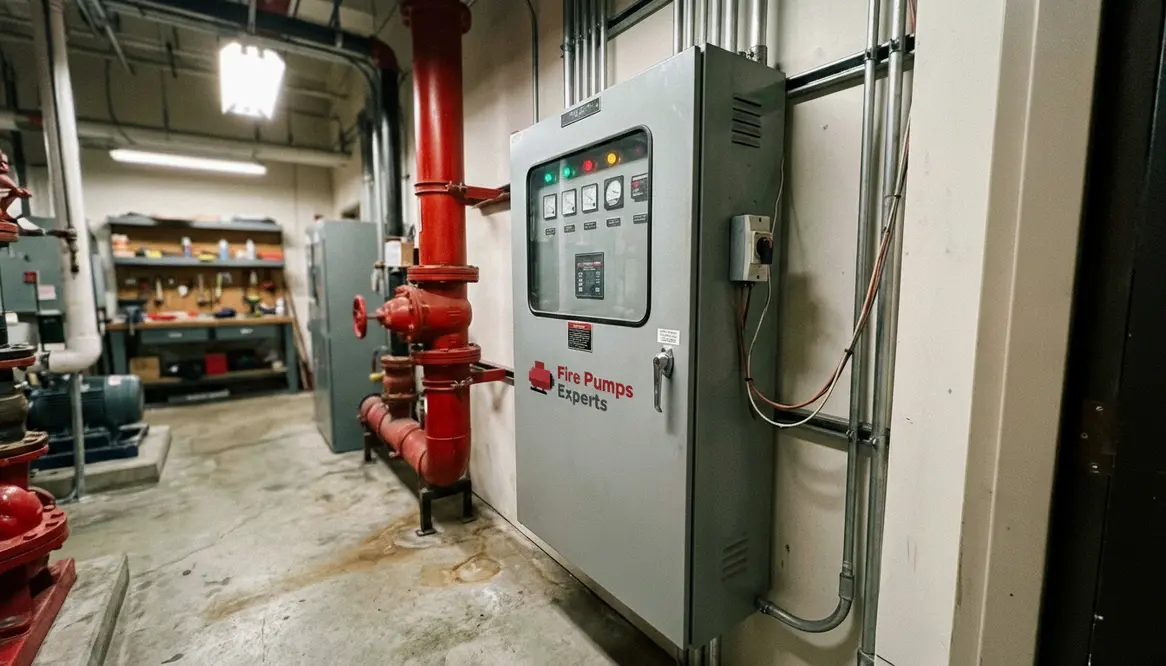
Fire Pump Controller Requirements Santa Clara Guide
I have spent a lot of time inside large commercial and industrial facilities, the kind where mechanical rooms hum like a quiet orchestra behind the walls. Somewhere in that orchestra sits a device most people never notice until the moment it matters most. The fire pump controller. And if you manage property in Silicon Valley, you will eventually run into the fire pump controller requirements Santa Clara inspectors expect to see.
Now, at first glance, a controller cabinet looks about as exciting as a refrigerator from 1987. However, inside that box lives the command center for your building’s fire protection system. When pressure drops and alarms trigger, this controller wakes the pump and tells it to move water with authority. So today I want to walk through how these systems work, why local codes matter, and what commercial property owners in Santa Clara should actually pay attention to.
Because trust me, ignoring a fire pump controller is a bit like ignoring the smoke alarm in your kitchen. It feels harmless right up until your grilled cheese becomes a small historical event.
Understanding Fire Pump Controllers in Santa Clara Commercial Buildings
In a large office tower, manufacturing plant, hospital campus, or data center, water pressure from the city alone often cannot push enough water through the sprinkler system during a fire. That is where the fire pump comes in. However, the pump itself is only half the story. The controller is the brain.
When pressure in the fire line drops, the controller senses it instantly. Then it starts the pump automatically and keeps it running until someone manually stops it. In other words, it does not wait for permission. It acts.
Because of that responsibility, Santa Clara inspectors pay close attention to controller design, installation, and testing. Electrical protection, starting method, supervision signals, and alarm integration must all function properly. Otherwise, the pump might fail to start when the building needs it most.
Additionally, modern commercial facilities rely on complex electrical infrastructure. Data centers, biotech labs, and advanced manufacturing buildings cannot afford downtime or safety risks. So the controller must operate reliably during both normal power and emergency conditions.
Think of it this way. The fire pump moves the water, but the controller decides when the hero enters the scene. Even Batman had someone running things behind the curtain.
What Do Inspectors Expect Under Fire Pump Controller Requirements Santa Clara?
When I walk a property with facility managers, this question comes up almost immediately. What exactly are inspectors looking for?
First, the controller must comply with national fire codes such as NFPA 20 and NFPA 25. However, local authorities enforce additional expectations that affect installation and ongoing maintenance. The specific fire pump controller requirements Santa Clara inspectors apply are built on those standards but tuned for the realities of local buildings and infrastructure.
Core Elements Inspectors Commonly Review
- Approved controller type matched to pump design
- Reliable power supply and protected electrical connections
- Clear labeling and accessible disconnects
- Supervision signals tied into the fire alarm system
- Routine testing documentation
- Dedicated room conditions that protect equipment
Additionally, controllers must remain easy to access during an emergency. Stacking storage boxes in front of them may seem harmless until a fire inspector arrives. Then suddenly those boxes become the most interesting objects in the room.
More importantly, documentation plays a big role. Commercial buildings must demonstrate regular inspection and testing. Inspectors want to see proof the controller starts the pump correctly and communicates with the fire alarm panel.
So yes, paperwork matters. It may not be glamorous, but neither is explaining to a fire marshal why last year’s inspection sheet is missing.
How Fire Pump Controllers Actually Control the System
Inside the cabinet lives a pressure sensing system connected to the fire line. When the pressure falls below a set threshold, the controller activates the pump motor. Depending on the system, that motor may be electric or diesel powered.
However, the controller does more than simply flip a switch. It manages several critical functions that keep the whole system from turning into a very expensive, very loud disappointment.
Core Controller Functions
- Pressure monitoring
- Automatic pump start
- Motor starting sequence
- Alarm and status signals
- Manual override capability
- Power monitoring
Why It Matters in Commercial Buildings
- Immediate response during fire events
- Protects high occupancy properties
- Prevents electrical damage to motors
- Alerts staff to system faults
- Allows emergency manual control
- Keeps life safety systems coordinated
Furthermore, most modern controllers record operational data. That information helps technicians verify performance during inspections. For large facilities, this record keeping is extremely useful.
After all, if a pump starts unexpectedly at 3:12 in the morning, facility teams will want to know why. Ghosts are rarely the answer, despite what late night security guards may claim.
Design Factors That Affect Fire Pump Controller Requirements Santa Clara
Every building has its own personality. Some are quiet corporate offices. Others resemble small cities packed with labs, server rooms, and manufacturing lines. Because of that variety, several design factors influence how controllers are installed and maintained.
Power Reliability And Electrical Infrastructure
Power reliability sits near the top of the list. Electric fire pumps require a stable electrical supply that stays operational during emergencies. Many commercial properties install dedicated feeders or backup generators to protect the controller and pump. The fire pump controller requirements Santa Clara teams look for often tie back to how that power is arranged, protected, and supervised.
Room Conditions And Equipment Layout
Room conditions matter as well. Controllers must sit in spaces protected from flooding, excessive heat, or vibration. Mechanical rooms often share space with other equipment, so layout planning becomes important.
Integration With Fire Alarm And Monitoring
Another key factor is integration with building fire alarm systems. When a pump starts, the alarm panel must receive supervisory signals. That communication tells building engineers and monitoring centers that the system is active. Good design also thinks about how these signals will be interpreted by monitoring services and local responders under the fire pump controller requirements Santa Clara agencies enforce.
Access For Maintenance And Testing
Additionally, maintenance access cannot be overlooked. Large commercial properties rely on regular testing under NFPA standards. Technicians must be able to reach the controller easily without navigating a maze of pipes and electrical conduits.
In short, the best installations think ahead. They plan for inspections, maintenance, and emergencies long before the first alarm ever sounds. When those plans also reflect the fire pump controller requirements Santa Clara inspectors bring to the table, everyone sleeps better.
Routine Testing That Keeps Controllers Ready
Even the most advanced controller cannot protect a building if nobody verifies its operation. Therefore, commercial facilities perform regular fire pump testing.
During weekly or monthly checks, technicians confirm that the controller responds properly to pressure changes. They verify indicator lights, alarms, and electrical components.
Annual flow testing goes deeper. This process evaluates the pump and controller while water actually moves through the system at rated capacity. For large commercial properties, this test confirms the system can deliver the pressure required to protect the entire building.
Moreover, technicians examine wiring connections, contactors, and sensors inside the controller cabinet. Small electrical issues can grow over time. Catching them early prevents costly surprises later.
Think of it like routine health checkups. Nobody enjoys them, yet they keep everything working the way it should.
FAQ About Fire Pump Controllers in Santa Clara
Conclusion
Fire pump controllers rarely get the spotlight, yet they quietly protect some of the most valuable commercial properties in Santa Clara. If you manage a large facility, understanding the fire pump controller requirements Santa Clara inspectors enforce is not just smart. It is essential. The right design, testing program, and expert support keep your system ready when it matters most.
If your property needs guidance, inspections, or upgrades, your next step is straightforward: partner with specialists who live and breathe pumps, controllers, valves, and alarms every single day. The combination of code knowledge, real-world troubleshooting experience, and a clear understanding of how your specific building operates will do more for safety than any single piece of hardware ever could.