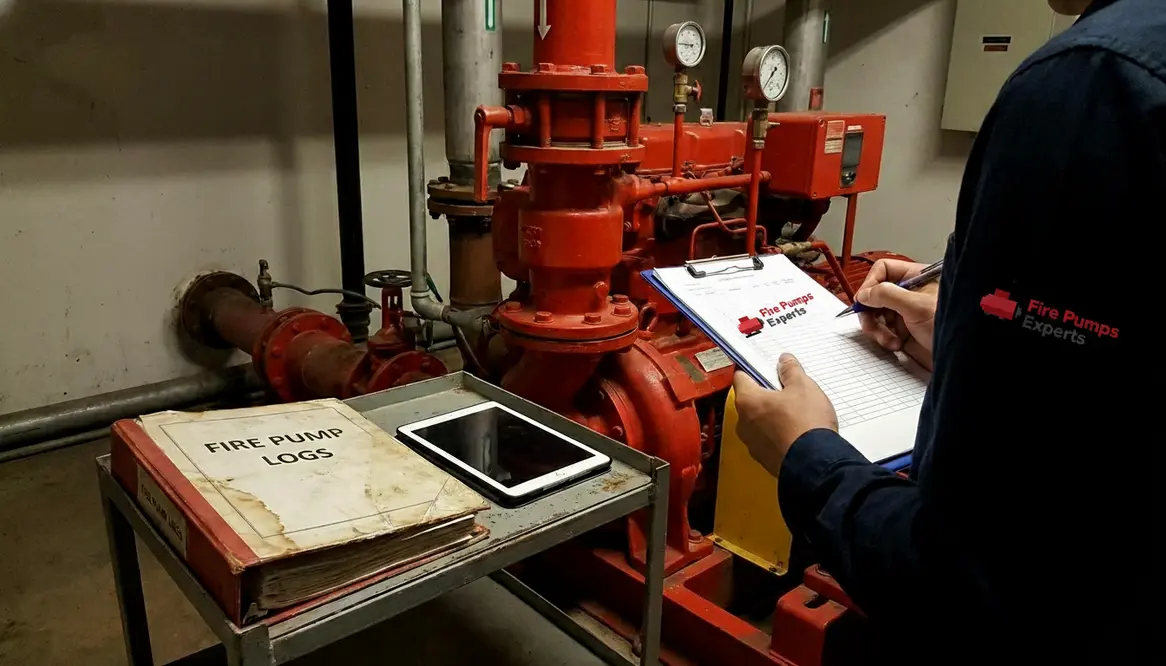
Fire Pump Documentation for Hemet Commercial Sites
Fire Pump System Documentation for Facilities in Hemet
Now, let me take you on a little journey through something as vital as your morning coffee—if your building was on fire. Really. We’re talking about fire pump documentation Hemet CA, specifically for commercial and industrial facilities. I know, sounds like a topic destined to lull you into a nap-fueled abyss, but give me five minutes, and it might feel like Netflix just dropped Season 2 of “Fire Code: Compliance Chronicles.”
If you’re managing a sprawling commercial complex or an industrial site in Hemet, your fire pump system isn’t just a thing bolted to the floor. It’s a compliance juggernaut, a safety net, and quite possibly the silent hero standing between your property and disaster. And like any good hero, it needs a record—yes, documentation. Not just random paperwork stuffed into a binder from 1997, but detailed, updated, and properly maintained records. That’s what we’re exploring today, with a special focus on getting fire pump documentation Hemet CA right from day one.
The Importance of Fire Pump Documentation (And Why Your Building’s Life May Depend on It)
Picture this: you get a surprise visit from the fire marshal. It’s not unlike that awkward drop-in from your in-laws—you better have everything in order. Missing documentation? Non-compliant tests? The conversation suddenly gets more intense than an episode of “Breaking Bad.”
But this isn’t just about avoiding red tape nightmares. Proper documentation ensures your fire pump system is operating at top efficiency when you need it the most. It provides a paper trail that proves inspections, tests, maintenance, and repairs were done to spec. Make no mistake—your insurance provider, local authorities, and even liability lawyers are big fans of paper trails, especially when fire pump documentation Hemet CA becomes part of an incident review.
Here’s a peek at the minimum documentation usually expected:
- Factory test reports
- Commissioning records
- Weekly and annual inspection checklists
- Maintenance logs
- Testing results aligned with NFPA 25 standards
- Emergency operation procedures
Forget to record that last jockey pump cycle test? That’s like forgetting your wedding anniversary. Best of luck with the apology tour.
How We Organize Fire Pump Documentation Hemet CA Properties Can Trust
Now, I know what you’re thinking—“Can’t I just keep everything in a folder?” Sure, and you could also store your Netflix password on a sticky note. Not exactly Fort Knox.
At FirePumps.org, documentation gets systematized like a well-oiled machine. Think Marie Kondo meets MacGyver—order meets utility. Here’s how your fire pump system documentation can be structured to meet Hemet code regulations and insurance demands while keeping fire pump documentation Hemet CA audit-ready all year long:
Section A: Technical Records
- Original manufacturer’s documentation
- Component specifications
- System design blueprints
Section B: Testing & Compliance
- Weekly churn test records
- Annual flow testing data
- Pressure readings and controller logs
Each document tells part of the story: how the system was built, when it was last tested, how it performed, and what actions were taken. It’s like a fireproof résumé for your sprinkler backup quarterback, and it all feeds into a clean, credible package of fire pump documentation Hemet CA facilities can lean on when inspectors start asking questions.
Why Just “Having a Pump” Isn’t Enough—You Need the Right Documentation Trail
You might have the biggest, baddest diesel fire pump this side of the Mississippi, but without documentation, it’s a glorified water feature. Compliance officers don’t just want to see the pump—they want to see proof it knows how to dance when the heat is on. Literally.
Fire inspection protocols hinge not just on physical equipment, but on the trail of paper that follows it. And guess what? Without that trail, your property is as good as noncompliant. And everybody knows—when it comes to fire safety, noncompliant is just the fancy cousin of disaster waiting to happen.
Documenting Inspections and Routine Maintenance Without Losing Your Mind
If you’re a facility manager in Hemet, juggling tasks like a Cirque du Soleil acrobat, the last thing you need is another stack of paper to wrangle. But here’s the kicker: it doesn’t have to be complicated, and it doesn’t have to feel like homework from the fire gods.
Here’s how you can start making life easier on yourself:
- Set Calendar Alerts: Weekly churn tests? Annual flow tests? Put them on your digital calendar and link the logs in cloud storage.
- Use Standardized Checklists: Download a locally-approved form or get one custom-designed. We’re happy to help with that too.
- Scan, Upload, Repeat: Don’t stuff papers in drawers—scan them into a cloud-based system with access levels and backups. You’ll thank yourself later.
And if your office already looks like a filing cabinet exploded and documents are living their best lives wherever they please, don’t worry. We’ve walked into worse. Organization is just a call away.
What Hemet Inspectors Actually Look For
I’m not saying all Hemet inspectors were trained by the CIA, but when it comes to fire pump systems, they don’t miss a beat. These guys and gals know their stuff. Here’s what typically ends up red-circled in an inspection:
- Improper or missing maintenance logs
- Poor or undocumented testing procedures
- Failure to meet NFPA standards
- Outdated manuals or design drawings
- No documented emergency operation steps
One facility in Hemet even got dinged because someone hand-wrote monthly notes in pencil. In pencil. C’mon, people—we’re not taking a high school math quiz.
Fire Pump Documentation for Commercial and Industrial Properties: What Sets It Apart?
This isn’t your average two-floor bakery operation. We’re talking commercial facilities, high-rises, manufacturing plants, warehouses with rows so deep they could hide Bigfoot. These buildings come with added layers of complexity, multiple system types, higher occupancy levels, and—in turn—higher stakes.
That means documentation is more than just a box-checking task. It’s the only way to prove systemic preparedness, and more importantly, take advantage of regulatory compliance pathways that apply to large-scale properties.
Commercial facility documentation also includes:
- Controller system schematics
- Transfer switch test results (for backup power)
- Pressure governor behavior logs for diesel engines
These aren’t optional—they’re essential. Think of them as the playlist that makes your fire safety concert a symphony rather than a drum solo with a fire extinguisher.
Frequently Asked Questions About Fire Pump Documentation
Below are some of the most common questions facility teams in Hemet ask when they start tightening up their fire pump records.
Conclusion: Stay Compliant and Stay Protected
In the world of commercial safety, precision and paper trails save lives—and properties. Fire pump documentation isn’t just a checkbox. It’s your shield against penalties, accidents, and chaos.
If you’re in Hemet and managing a major facility, don’t gamble with fire. Let’s get your documentation sorted, up to code, and fire-marshal approved. For support with inspections, maintenance, and documentation, you can partner with a specialist provider like Kord Fire’s fire pump service team to keep your system and records ready for anything.