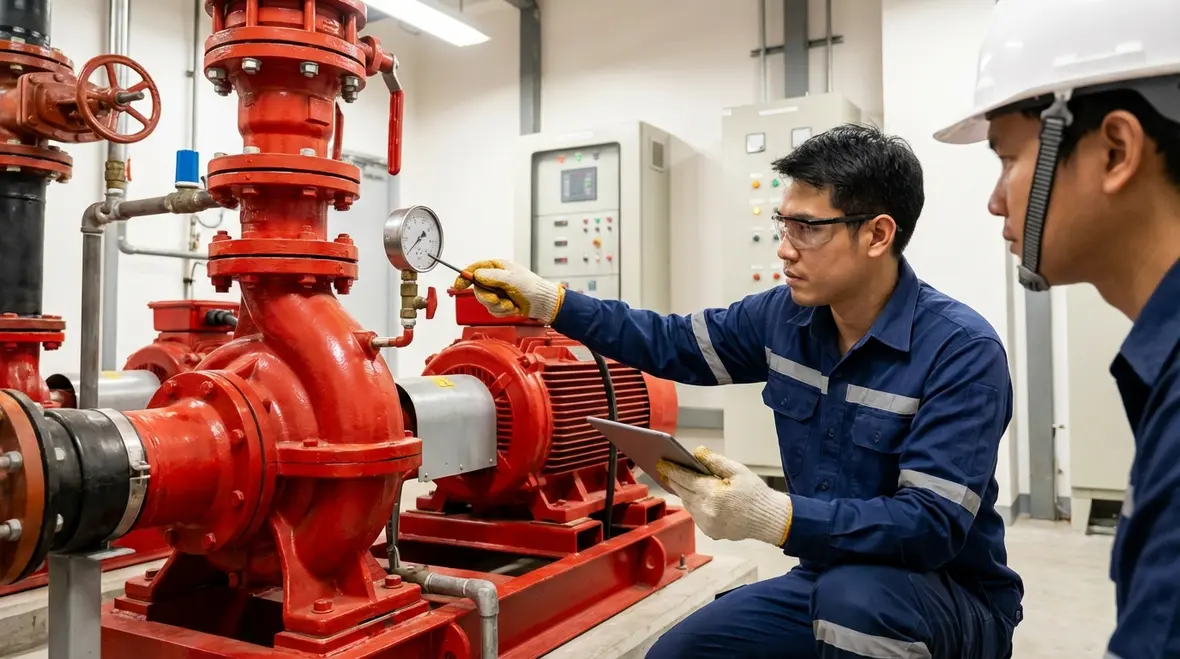
Fire Pump Failure Prevention Strategies That Work
Fire Pump Failure Prevention Strategies: How to Keep the Heart of Your Fire Protection System Beating
When it comes to protecting commercial and industrial properties, the fire pump is your unsung hero—quietly waiting in the background, ready to roar into action. But just like any hero, if it’s neglected, you might find it clocking out early… right when you need it most. And that’s where solid fire pump failure prevention strategies come in. These aren’t just maintenance hacks or a checklist you forget until inspection week. These are vital safety principles designed to keep people safe and buildings standing tall.
Think of your fire pump like Iron Man’s arc reactor. Sure, it’s hidden beneath the surface, but without it? Total system failure. The strategies we’re going to cover are not just smart; they’re essential for any property manager, facility director, or safety coordinator who likes their buildings unburnt and their insurance premiums friendly.
Now, let’s dive into the lifeblood of fire protection, gently stirred with humor, a dash of sarcasm, and a calm, documentary-style delivery that makes building safety advice actually enjoyable to listen to.
Why Fire Pumps Fail in the First Place
Before we work on prevention, let’s talk about the usual suspects. Understanding them is like watching the first 10 minutes of a true crime documentary. We’re going back to the scene of the crime so we can build Fire Pump Failure Prevention Strategies that actually hold up when things get hot.
- Neglected Maintenance: If your monthly maintenance is more of an annual suggestion, we have a problem.
- Corrosion and Rust: Over time, moisture causes equipment to age faster than a rock star on a three-city tour.
- Controller Failure: If the brains of the operation checks out, no mechanical brawn is going to help.
- Power Supply Problems: Believe it or not, power loss during a fire isn’t just an action movie trope.
- Human Error: Folks who “accidentally” shut off the pump should be required to sit in the corner and think about what they did.
Now that we’ve shined a little forensic light on the boneheaded mistakes that lead to failure, let’s make sure you’re not the next episode in a fire safety cautionary tale.
How to Maintain Fire Pumps Without Losing Your Mind
Yes, maintenance sounds boring. But guess what else is boring? Sitting in a burnt-out office complex because someone didn’t lubricate a bearing. Maintenance isn’t glamorous, but it saves lives, dollars, and face. Doing it right doesn’t have to be rocket science. Or even regular science. This is where your day-to-day Fire Pump Failure Prevention Strategies quietly do their best work.
Here’s what I personally swear by:
- Weekly Operational Checks: Run the pump. Hear the pump. Smell the pump—okay maybe not that one. Just make sure it’s operational.
- Monthly Flow Testing: Give it a taste of action. Closed-loop testing systems work wonders here.
- Quarterly Controller Tests: Push that start button. Does it go “vroooom”? Fantastic. If not, you’ve got some wiring to inspect.
- Annual Non-Flow Testing: Yes, it sounds contradictory. No, I didn’t name it.
Document everything. Seriously. If you didn’t write it down, in building management terms, it didn’t happen. Documentation isn’t just bureaucracy—it’s your shield when something hits the fan and a core part of any Fire Pump Failure Prevention Strategies worth trusting.
Using Smart Tech to Prevent Fire Pump Failures
Big Brother, But Friendly
Let’s admit it. These days, we trust robots with everything from our thermostats to our pizza deliveries. So why not let technology help us with fire protection?
Integrating smart monitoring systems is not just a trend—it’s a common-sense leap forward. Using sensors and analytics, your system can detect performance issues before they ruin your day (and your facility). When you pair tech with solid Fire Pump Failure Prevention Strategies, you get a system that is both proactive and resilient.
What Digital Monitoring Should Track
- Low pressure events
- Unusual vibration patterns (I call this the “noisy dance of doom”)
- Motor electrical faults
- Fuel or battery levels
Hook these into your central building management system (BMS), and voilà! You’ve got real-time oversight that alerts you faster than Karen on Yelp.
Diesel vs. Electric Fire Pumps—Pros & Pitfalls
Diesel Fire Pumps
- Requires dedicated fuel supply
- Can operate during power outages
- More maintenance heavy
Best for: Facilities without strong grid reliability
Electric Fire Pumps
- Depend on grid or generator
- Less maintenance overall
- Can fail if power sources aren’t secured
Best for: High-rise commercial buildings with stable power backing
This isn’t about which one is better—it’s about knowing your building’s specs, risks, and existing infrastructure. Choose the wrong one, and yeah, you might be calling me in six months wondering where all your water pressure went. Smart selection is one of those behind-the-scenes Fire Pump Failure Prevention Strategies that pays off for years.
Common Mistakes That Can Lead to Catastrophic Failure
Even with the best systems in place, some buildings seem to collect maintenance mistakes like Pokémon cards. Let’s keep your facility out of that deck.
- Failing to run weekly churn tests. Miss a few of these, and you’re flying blind when it matters most.
- Skimping on replacement parts. If you’re buying the cheapest parts online, what could possibly go wrong? (Answer: everything.)
- Assuming silent means fine. Just because it’s not screaming doesn’t mean it’s healthy. Remember: silence can be deadly.
Avoid these like pineapple on pizza—unless you like things that spark arguments and disappointment.
Fire Pump Failure Prevention Strategies That Actually Work
Let’s personalize this now. The real Fire Pump Failure Prevention Strategies aren’t theoretical or pulled from a dated safety manual gathering dust in the basement. These are actionable steps I’ve seen work time and time again:
- Scheduled and logged testing. Not calendar reminders. Actual hands-on testing.
- Technician-led inspections every quarter. Trust me, you want humans checking those valves regularly—not just software pings.
- Training for onsite personnel on emergency startup protocols. Because when there’s smoke, fumbling with a manual isn’t a good plan.
- Invest in redundancy. Dual power sources, dual alarms, and if budget allows, dual pumps. Think of it as double espresso for your emergency system.
- Hybrid approach: Tech + Human Oversight. Your best strategy is combining real-time data with expert eyes and hands.
These aren’t complicated strategies. They’re just often pushed down to “deal with it later” status. But when “later” arrives and there’s a fire, it’s too late. Better to be overprepared than a headline in tomorrow’s news. Building these Fire Pump Failure Prevention Strategies into your regular operations is one of the smartest decisions you can make.
What Should I Do if My Fire Pump Fails During Inspection?
Alright. So, the inspector walked in, twisted a valve, and suddenly you’re looking at a non-responsive pump. Panic? Not yet.
Here’s how to handle it like a pro:
- Notify your fire protection service provider immediately.
- Log the event. Time. Date. Who. What. Where. All of it.
- Switch to backup pump—if you’ve got one. If you don’t… see earlier point about redundancies.
- Limit occupancy if needed. Safety first. Desk chairs can wait.
And don’t try to play this one off. The inspector will make notes, and those notes speak louder than your facility manager’s excuses.
FAQ: Fire Pump Failure Prevention at a Glance
Quick answers to the questions everyone asks when they start tightening up their Fire Pump Failure Prevention Strategies:
Let’s Get Your Facility Ready for Anything
Maintaining a commercial fire pump doesn’t have to feel like you’re solving quantum physics. With the right Fire Pump Failure Prevention Strategies, robust oversight, and a little help from your tech and service partners, you can turn the odds in your favor. Don’t wait until the alarm sounds to find out the pump wasn’t ready.
If you want expert help with inspections, testing, and long-term reliability planning, consider partnering with a dedicated fire pump service provider like Kord Fire Protection’s fire pump service team. Then, when it’s time for your system’s hero moment, you’ll know the heart of your fire protection system is ready to perform.