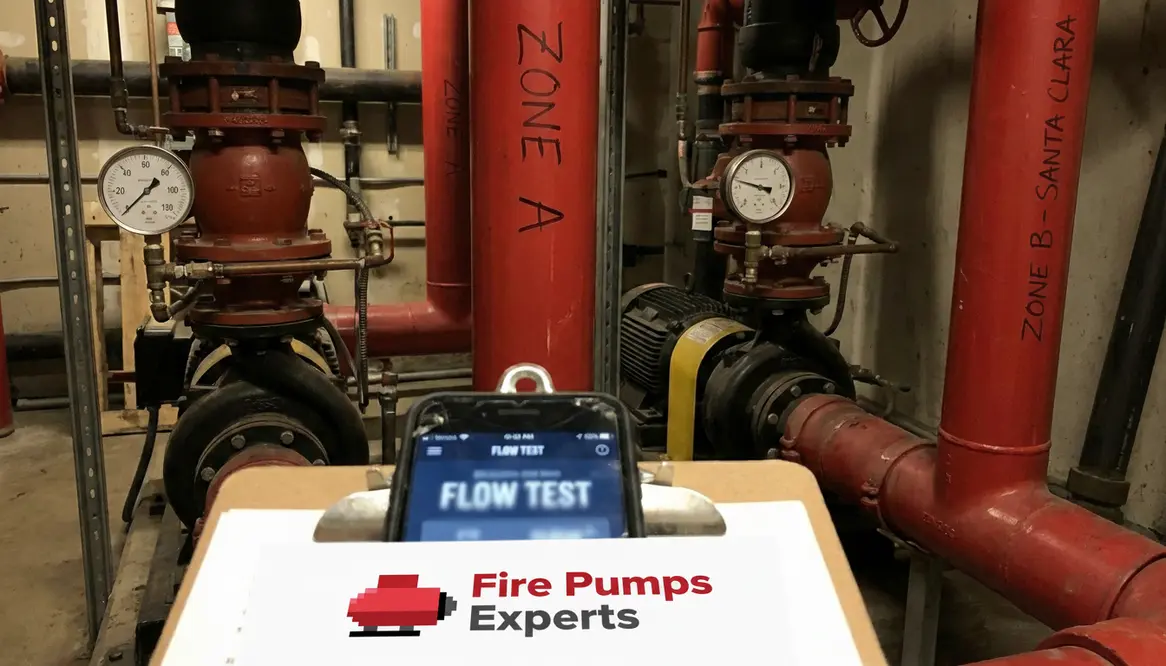
Fire Pump Flow Imbalance Santa Clara Guide
I have walked through enough mechanical rooms in my time to know this truth: when water moves unevenly, trouble follows quietly. In large campuses across Silicon Valley, I often see a pattern emerge, especially when discussing fire pump flow imbalance Santa Clara. It sounds technical, even a bit dry, but behind that phrase sits a very real risk to people, property, and operations. And yes, like a good plot twist in a thriller, the problem usually hides in plain sight until it decides to make a dramatic entrance.
So let’s take a slow, steady walk through what causes it, why it matters, and how I deal with it when I see it in the field.
What causes fire pump flow imbalance in large campus systems?
First things first, imbalance does not happen by accident. It builds over time, like a slow leak in a story you forgot to finish. In large commercial campuses, I often see uneven demand across multiple buildings tied into one network. As a result, one area pulls more water, while another sits underfed.
Moreover, aging infrastructure plays a role. Pipes scale, valves drift out of calibration, and pumps wear down. Consequently, the system loses its harmony. One pump works overtime while another barely breaks a sweat. If pumps had feelings, one would file a complaint with HR.
Additionally, poor system design or expansions done in phases can create pressure inconsistencies. A campus that started as three buildings and grew to fifteen rarely updates its fire protection strategy in lockstep. Therefore, imbalance creeps in quietly.
How I identify flow imbalance before it becomes a crisis
I never wait for alarms or failures. Instead, I look for subtle signs that whisper before they shout. For example, fluctuating pressure readings across zones often point to uneven distribution. Likewise, inconsistent flow test results tell a story that numbers alone cannot hide.
Then, I review pump performance curves. If one unit operates far from its intended range, something is off. In addition, I listen. Yes, literally. Pumps under strain develop a tone that feels… offbeat. Not quite music, not quite noise, but enough to raise an eyebrow.
Furthermore, I rely on data logging. Modern systems give us real time insight, and when trends start to drift, I act early. After all, waiting for failure is like waiting for your phone battery to hit one percent before charging it. Technically possible, but not wise.
fire pump flow imbalance Santa Clara in multi building campuses
Santa Clara campuses present a unique mix of high tech facilities, data centers, and sprawling corporate environments. Therefore, demand fluctuates not just daily but sometimes hourly. One building might run heavy cooling systems, while another remains relatively idle.
Because of this, fire pump flow imbalance Santa Clara becomes more than a mechanical issue. It becomes a coordination challenge. I often see systems where distribution loops are not properly balanced, causing pressure drops at the far ends of the campus.
In addition, redundancy systems sometimes compete rather than cooperate. Backup pumps may engage too early or too late, creating uneven load sharing. As a result, the system behaves less like a team and more like a group project where no one agreed on the plan.
Common Imbalance Triggers
- Uneven pipe sizing across expansions
- Valve misalignment or partial closures
- Outdated pump sequencing controls
- Pressure zone mismatches
Operational Impacts
- Delayed sprinkler response
- Overworked pump components
- Inconsistent pressure delivery
- Increased maintenance costs
Fixing the imbalance without disrupting operations
Now, here is where things get interesting. Fixing imbalance is not about shutting everything down and starting fresh. Instead, I take a surgical approach.
First, I recalibrate valves and verify flow paths. Small adjustments often yield big improvements. Then, I fine tune pump sequencing controls so units share the workload evenly. Think of it as getting everyone in rhythm rather than letting one drummer steal the show.
Next, I recommend targeted upgrades. Not full replacements, but strategic improvements where the system shows weakness. For example, installing variable frequency drives can help adapt flow in real time.
Meanwhile, I always coordinate with facility managers to avoid disruptions. After all, these campuses run critical operations. Downtime is not just inconvenient, it is expensive.
Why ignoring flow imbalance is a risky bet
It is tempting to think, “If nothing is broken, why fix it?” However, imbalance rarely announces itself with fireworks. Instead, it chips away at reliability until the system cannot respond when needed.
For instance, in a fire event, delayed or uneven water delivery can compromise suppression efforts. That is not a scenario anyone wants to test in real time. Moreover, overworked pumps fail sooner, leading to costly repairs and potential compliance issues.
In large commercial and industrial facilities, the stakes are higher. These are not small buildings with simple systems. They are complex environments where performance must be predictable and precise. When fire pump flow imbalance Santa Clara conditions show up in these environments, the margin for error gets very thin, very quickly.
FAQ: Fire Pump Flow Imbalance Insights
Bringing balance back to your system
I have seen what happens when imbalance lingers too long, and I have seen the calm that follows when it is resolved. If your campus depends on reliable fire protection, now is the time to act. Let us assess your system, correct the flow, and restore confidence where it matters most. Reach out today, and together we will make sure your system performs exactly when it is needed, with none of the surprises that come from unchecked fire pump flow imbalance Santa Clara properties struggle with far too often.