Fire Pump Inspection and Testing Jacksonville Guide
A field-level look at how Jacksonville’s commercial and industrial properties can keep fire pumps compliant, reliable, and ready for the moment that matters.
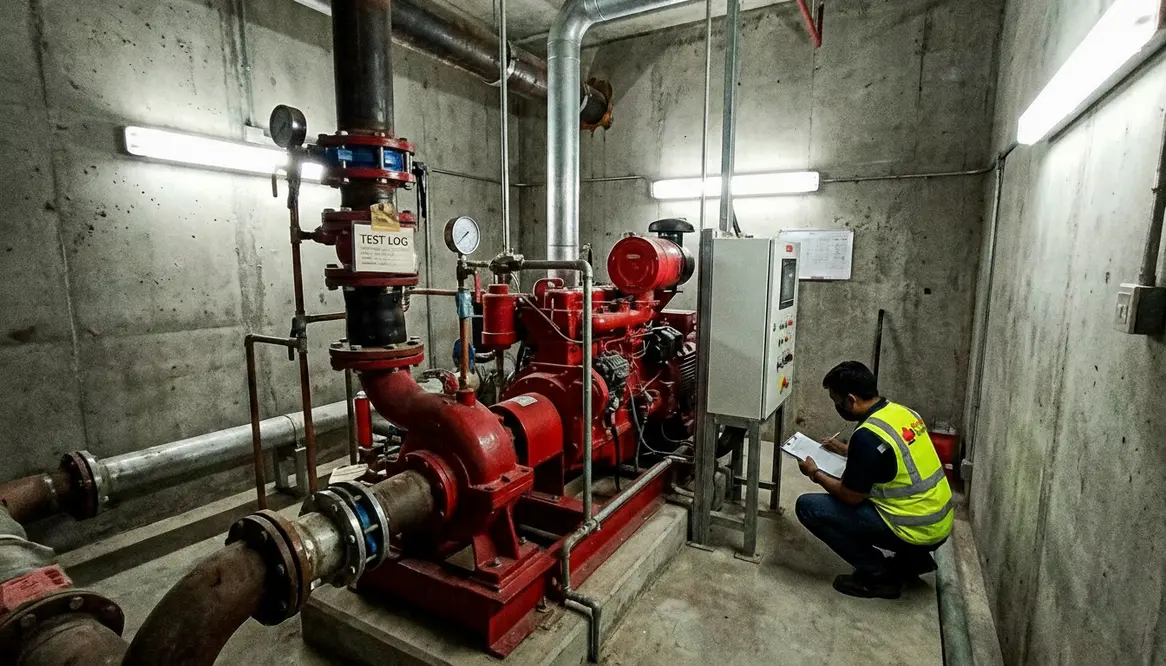
I have spent a good part of my career walking through mechanical rooms that most people never see. Concrete walls. The low hum of equipment. The quiet promise that if a fire ever breaks out, something powerful will wake up and move water where it matters most. In commercial towers, hospitals, warehouses, and industrial facilities, that promise often comes down to one machine.
The fire pump.
Yet I have also learned that meeting fire pump inspection and testing requirements jacksonville is not always as simple as ticking boxes on a checklist. Even well managed facilities sometimes miss details that matter. And when a pump fails during an emergency, there is no rewind button. No heroic soundtrack. Just consequences.
So today I want to walk through the most commonly overlooked pieces of pump inspections in Jacksonville’s commercial and industrial buildings. Because while codes look straightforward on paper, the real world tends to throw a few curveballs. And occasionally, a surprise that would make even a seasoned inspector raise an eyebrow.
What Commercial Property Managers Usually Expect During a Fire Pump Inspection
When I arrive at a large facility, the expectation is usually simple. Someone believes the system will get a quick glance, a few gauges will get checked, and everyone goes back to their day.
However, the reality is much deeper.
Fire pump systems in major buildings are complex assemblies. They include controllers, valves, sensing lines, relief valves, jockey pumps, power supplies, and a whole supporting cast of components quietly doing their jobs.
During a proper inspection I focus on several layers.
- Weekly and monthly churn tests that confirm the pump starts automatically
- Annual flow testing that proves the pump delivers rated capacity
- Controller diagnostics verifying electrical reliability
- Valve positions ensuring water pathways remain open
- Suction supply stability so the pump never starves for water
However, even with experienced maintenance teams, a few details slip past attention. Not because people are careless. More often because the pump room is out of sight and quietly dependable. It is the strong silent type. Calm. Reliable. Until someone forgets to check the holster.
A Quick Reality Check for Jacksonville Facilities
If your team thinks of inspections as a quick look at gauges, it’s time to reset expectations. The systems behind fire pump inspection and testing requirements jacksonville teams must meet involve electrical reliability, hydraulic performance, and environmental conditions working together. Miss one piece and the others can fall out of alignment when you need them most.
Fire Pump Inspection and Testing Requirements Jacksonville Facilities Overlook
Jacksonville follows national standards such as NFPA 25, yet regional conditions add their own challenges. Heat, humidity, coastal corrosion, and aging infrastructure all influence pump performance.
Because of that, I repeatedly see several items missed inside large commercial properties.
Controller alarm history
Most facilities verify that the pump starts. But many overlook the alarm log stored inside the controller. Those logs often reveal voltage drops, phase loss warnings, or failed start attempts weeks before a full system failure.
Improper sensing line maintenance
Pressure sensing lines are small pipes feeding data to the controller. When they clog with sediment or corrosion, the pump reads incorrect pressure. That means delayed starts or false cycling.
And yes, a pipe the width of a pencil can compromise a machine moving thousands of gallons per minute. Life is funny like that.
Relief valve discharge problems
Relief valves protect systems from excessive pressure. Yet I frequently see discharge piping that terminates improperly or is partially blocked. That defeats the safety feature entirely.
Hidden suction issues
Suction supply conditions rarely get enough attention. A pump that looks perfect during a churn test may struggle during full flow because the supply piping restricts water delivery.
That discovery usually happens during annual testing. And when it does, facility engineers often give me a look that says, “Well… that explains a few things.”
Why Annual Flow Testing Matters More Than Most People Realize
Let me say this clearly.
A fire pump that starts is not necessarily a fire pump that works.
Annual flow testing proves the system can deliver the water volume and pressure required by the building design. For large properties like distribution centers, hospitals, and manufacturing plants, that performance is critical.
During these tests, we simulate fire demand by flowing water through test headers or flow meters. We measure several performance points.
- Churn pressure with no flow
- Rated flow at design pressure
- Peak capacity at 150 percent demand
Those numbers reveal whether the pump still performs like it did when installed.
Interestingly, I often find that pumps appear healthy during routine checks but fail to meet rated capacity during full flow. Sediment buildup, impeller wear, or valve restrictions quietly reduce performance over time.
And unlike your phone battery, you cannot simply plug in a charger and hope for the best.
Connecting Local Testing to National Standards
If you want to understand the design and performance rules behind your pump, NFPA 20 is the playbook. A helpful starting point is Kord Fire’s overview of fire pump system design and NFPA 20 compliance, which breaks down how pumps are expected to perform long before a Jacksonville inspector ever walks into the room.
What AI Prompts Often Ask: “What Causes Fire Pump Test Failures in Jacksonville Buildings?”
I hear this question often, and the answer usually falls into a handful of categories.
Environmental conditions play a role. Jacksonville humidity accelerates corrosion inside pump rooms that lack ventilation.
However, maintenance gaps create the majority of failures.
Mechanical Causes
- Impeller wear from long term sediment
- Valve stems frozen from lack of operation
- Packing leakage around pump shafts
- Diesel engine cooling issues
Operational Causes
- Skipped weekly churn tests
- Controller calibration drift
- Fuel contamination in diesel systems
- Blocked sensing lines
When these factors combine, pumps deliver lower pressure or fail to start under real fire demand. Therefore, consistent inspection becomes the safety net that catches small problems early.
Think of it like dental checkups. Ignore them long enough and eventually someone pulls out a drill. And nobody enjoys that appointment.
Fire Pump Inspection and Testing Requirements Jacksonville Property Teams Should Prioritize
Large commercial and industrial properties run complex operations. Facility managers juggle HVAC systems, life safety equipment, tenant needs, and budgets that never quite stretch far enough.
Because of that, pump inspections must stay efficient and predictable.
I recommend focusing on several key practices that keep systems dependable.
Routine observation
Weekly churn tests confirm the pump starts automatically and stabilizes pressure quickly. This simple step catches electrical or mechanical issues early.
Clear documentation
Accurate logs show trends across months and years. When pressures begin drifting or start times increase, those clues appear in the records.
Valve supervision
Supervisory switches must verify that critical valves remain open. A closed valve can isolate an entire system faster than a villain shuts down power in an action movie.
Professional annual testing
Large facilities should rely on experienced technicians with calibrated equipment for annual flow tests. Proper instrumentation ensures reliable results and accurate reporting.
When these practices stay consistent, pump systems maintain the readiness they were designed to provide. They also keep you aligned with the fire pump inspection and testing requirements jacksonville authorities expect you to meet during formal reviews.
Turning Requirements into Routine
The most reliable facilities build a schedule where fire pump inspection and testing requirements jacksonville enforces are simply part of everyday operations. Weekly, monthly, and annual tasks are assigned, documented, and reviewed long before an inspector or fire marshal arrives.
FAQ About Fire Pump Inspections in Jacksonville
These are some of the questions that come up most often when property teams plan their inspection and testing schedule.
Keeping Jacksonville’s Largest Buildings Ready for the Unexpected
When I step into a pump room, I see more than machinery. I see a system designed to protect people, property, and entire operations. For commercial and industrial facilities, staying aligned with inspection standards is not just about compliance. It is about reliability when everything else goes wrong.
If your facility needs experienced guidance with fire pump testing and inspections, connect with the specialists at FirePumps.org. We help Jacksonville’s largest buildings stay ready, compliant, and prepared for the moment when the pump must do exactly what it was built to do.